The Perfect Pair: Matching Yixing Teapots To Teas
Introduction
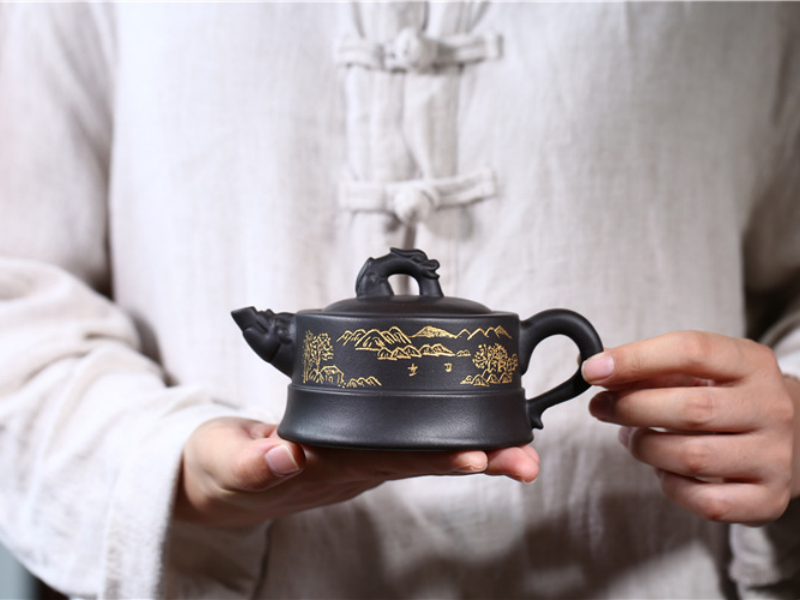
Unlocking the secret to “Brewing the Perfect Cup: Yixing Teapots and Tea Pairings” starts with understanding the harmony between an ancient craft and your favorite teas. For centuries, tea enthusiasts in China have cherished Yixing teapots not just as functional vessels but as treasured companions in the pursuit of exquisite tea. What sets these humble clay teapots apart isn’t only their beauty—it’s the way they transform the tea-brewing experience into something rich, nuanced, and personal. Why use a Yixing teapot to brew tea? It all comes down to the distinctive characteristics of Yixing clay, or zisha. A quality Yixing teapot will absorb some of the flavor and aroma of the tea brewed in it, making each subsequent brew more complex. Over time, an often-used Yixing teapot will gradually take on the signature notes of teas brewed in it before—a phenomenon you won’t find with glass or porcelain teapots. Ancient wisdom holds that coupling the right Yixing teapot with the proper tea enhances the whole sensory experience of drinking tea. The difference between drinking a random tea brewed in a random teapot and an exquisitely paired experience is akin to listening to a radio versus a pair of audiophile headphones. You notice all of the nuances of flavor and fragrance. Pair the right clay with the right tea, and watch the tea reveal itself to you in a different way with each and every sip. But there’s more: thoughtful tea pairings don’t just enhance flavor—they create memorable experiences. Whether you’re seeking the earthy boldness of pu-erh or the floral whispers of oolong, the right Yixing teapot can coax out the best in each leaf. This guide will walk you through everything you need to know, from choosing your vessel to brewing techniques and pairing tips. Along the way, you’ll find practical advice, fascinating facts, and tips that even seasoned tea drinkers can use. So if you have ever wanted to brew that perfect cup or find out why Yixing teapots are celebrated by tea lovers worldwide, you’re in the right place. Let’s get cracking and figure out how to change your tea lifestyle—one clay pot at a time.
Understanding Yixing Teapots



What are Yixing teapots?
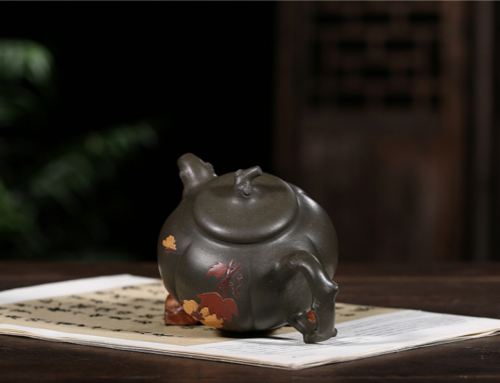
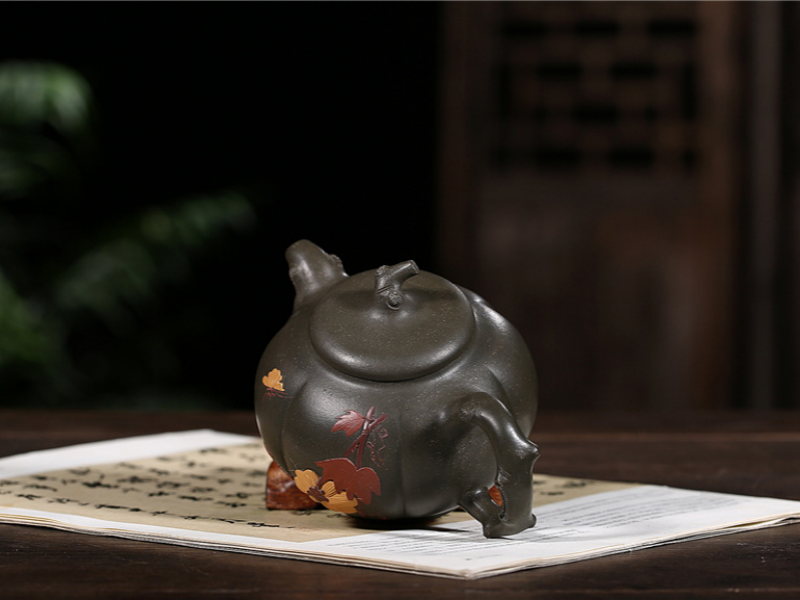
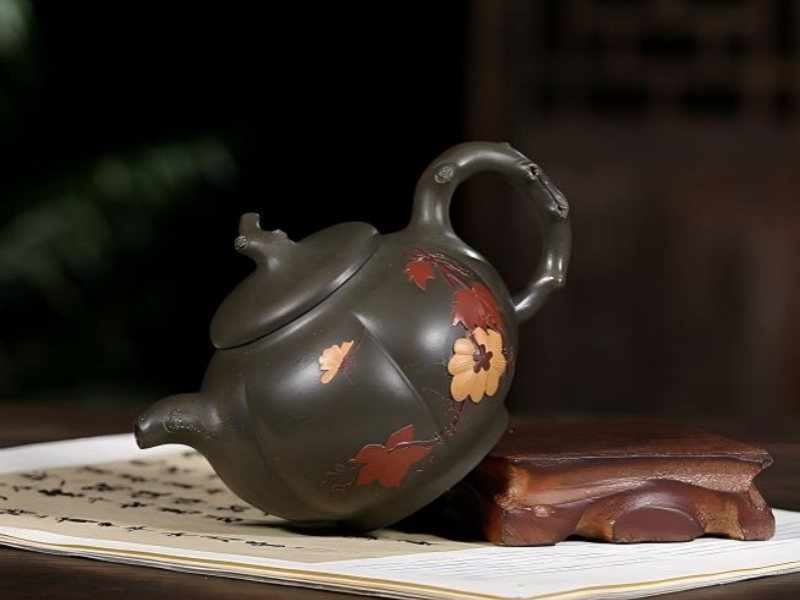
Yixing teapots, often referred to as zisha teapots, originate from the city of Yixing in China’s Jiangsu province. First made as far back as the 15th century, Yixing teapots are crafted from special purple clay—zisha (紫砂)—that is known for its high mineral content and unique porous structure. Quick facts: Yixing clay contains large amounts of kaolin, quartz, and mica minerals, making it exceptionally strong and imparting a slightly sandy texture Thanks to its porous nature, Yixing teapots are able to “breathe.” The vessel absorbs and retains the essence of the tea, subtly smoothing and deepening its flavor with each brew Genuine Yixing teapots are handmade. Potters often leave their mark on the base or inside of the lid—something to look out for What makes Yixing teapots so special for brewing? Their porous nature seasons the pot over time, absorbing oils and aromas from each tea session. As a result, every cup brewed in a well-used Yixing teapot carries whispers of past infusions, offering a layered, evolving drinking experience. Many tea connoisseurs reserve each Yixing teapot for one type of tea, ensuring purity and depth.
Choosing and Caring for Your Yixing Teapot
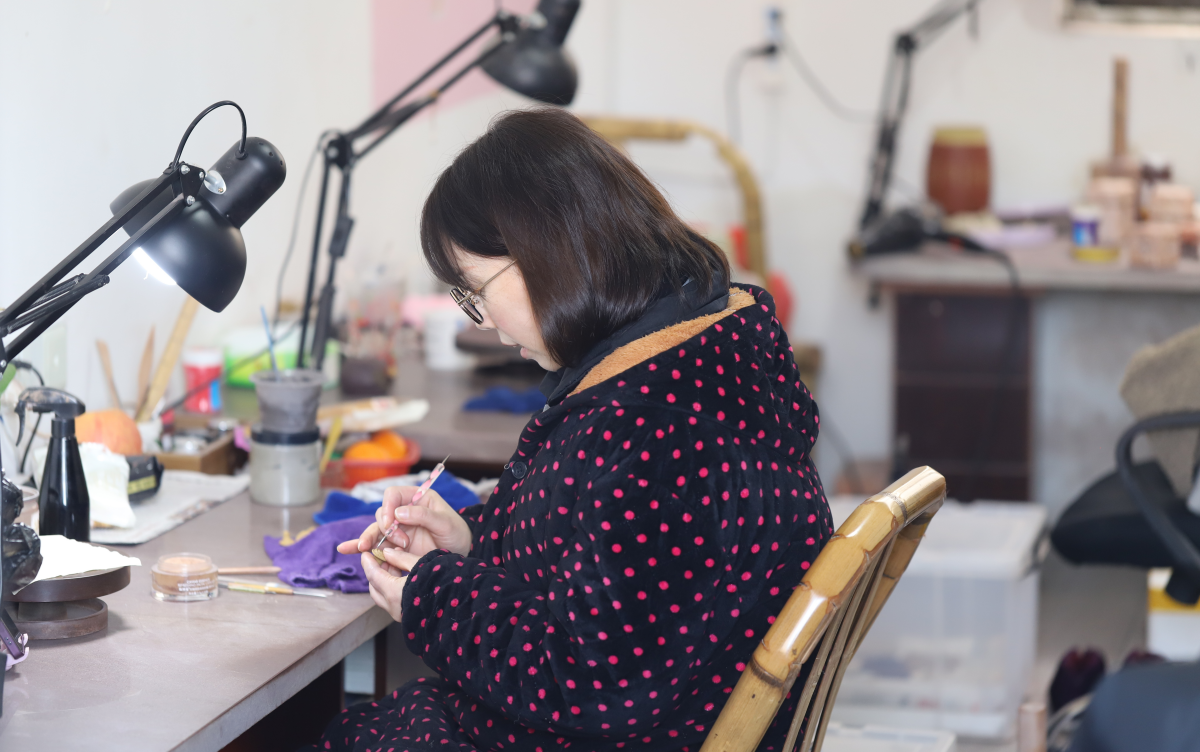
Selecting the right Yixing teapot is more than just picking a pretty pot. It’s about matching the shape, size, and clay type to your personal tea habits. Consider these factors: Size matters: Smaller pots (100–250 ml) are ideal for Gongfu-style brewing, which uses more leaves and shorter steeps to extract complex flavors Clay color: The three main types—Zisha (purple), Duanni (yellow), and Hongni (red)—each interact with tea differently. Zisha offers versatility, Duanni softens astringency (ideal for green teas), and Hongni deepens and warms flavors (perfect for black teas) Shape and thickness: Spherical or pear-shaped pots retain heat well, suiting roasted oolongs and pu-erhs. Flatter, thinner-walled pots cool more quickly—better for delicate teas How to spot an authentic Yixing teapot: Look for fine, unglazed clay with a slightly sandy feel Inspect for a potter’s seal (often inside the lid or on the base) Tap the pot; genuine zisha clay produces a clear, ringing sound
Care is Simple: Seasoning, Cleaning and Storage
Seasoning your Yixing teapot: Your new teapot must be “seasoned” before you begin brewing. This removes any lingering clay dust and prepares the vessel to absorb flavors from tea. How to season: Rinse the teapot with warm water Simmer the pot in a large pot of water for 30–60 minutes Brew a strong batch of the tea you will be using with your teapot (i.e. oolong) and steep the pot in the tea for a further hour Let the pot air dry Cleaning and storage: Never use soap or detergents, which can soak into the clay and taint your next brew. Simply rinse with hot water after each use, and air dry with the lid removed. Store the pot in a dry, odor-free place—Yixing clay retains smells as well as it does flavors. “A treasured Yixing teapot becomes, over time, a silent partner in the art of tea—subtly shaping every cup.”
Making the Perfect Cup with a Yixing Teapot
Preparing for Brewing
Before you brew a single leaf, the preparation you perform with your Yixing teapot is the surest guarantee of success. Seasoning is not just custom; it’s chemistry. Authentic Yixing clay is filled with micro-pores that absorb the flavors and oils of tea, slowly creating a patina that deepens the flavor of every subsequent infusion. To begin, rinse your new teapot well with hot water to remove dust. Next, simmer the pot (lid included) in a saucepan of boiling water for 30–60 minutes. This opens the pores in the clay and removes any residual materials from the manufacturing process. Once cleaned, dedicate your teapot to the kind of tea you will most often be using with it — oolong, pu-erh, black, or green. Brew a strong batch of that kind of tea and let the pot and lid soak in it for another hour. This first “baptism” gives the clay an imprint of aroma and flavor. Allow the pot to air dry, and it’s ready for its first brew. From now on, avoid using soap or detergent to clean the pot—simply rinse with hot water after each use. Your teapot will thank you for it, and so will your tastebuds.
Step-by-Step Brewing Guide
Brewing the perfect cup with a Yixing teapot is a delightful dance of precision and intuition. Here’s how to get started: 1. Preheat the teapot: Pour just-boiled water into your empty pot, swirl, and discard. This warms the clay, so you won’t lower the temperature of your water with the first steep. Extreme changes in temperature are damaging to tea leaves, and inhibit them from steeping properly. 2. Add your tea leaves: One or two teaspoons of loose leaf tea per 150ml of water is sufficient—remember, Yixing teapots work best with whole leaf, high-quality teas. 3. Water temperature: • Oolong: 90–95°C (194–203°F) • Pu-erh: 95–100°C (203–212°F) • Black tea: 90–95°C (194–203°F) • Green tea: 80–85°C (176–185°F) (if you use Yixing for green tea) 4. First rinse: Pour hot water over the leaves, swirl and discard quickly. This “awakens” the leaves, washes off any surface dust, and preps them for steeping. 5. Steep: • Oolong: 30–60 seconds, multiple infusions • Pu-erh: 10–30 seconds, up to 10 infusions • Black tea: 30–60 seconds, 2–3 infusions • Green tea: 20–40 seconds, 2–3 infusions Pour water over the leaves, making sure each leaf gets evenly soaked, and cover with the lid. Pour out into cups, using a strainer if you desire. 6. Repeat: Continue steeping, adding 5–10 seconds to each infusion. You should notice a change in flavor between infusions. Yixing teapots have a way of drawing out the hidden layers of flavor in each infusion—enjoy the journey!
Common Home Brew Problems Debugged
Does your tea taste bitter? Use cooler water or reduce the steeping time. Many teas are prone to bitterness if they’re steeped in water that’s too hot, especially green teas and lighter oolongs. Is the flavor too weak? Add more leaves or increase the steeping time. Be sure to use water that’s hot enough for the tea style. Do the aromas and flavors seem flat? Use filtered or spring water if your tap water is heavily chlorinated; bad water can ruin good tea. Pro tip: The beauty of Yixing teapots is that the more you use them, they nicer the patina and the livelier your cup of tea will be.
Best Teas to Use with Yixing Teapots
Pairing Yixing teapots with the right tea
There’s an art and practicality to pairing Yixing teapots with Oolong, Pu-erh or Black teas. And for good reason. These are the best tea types to enjoy with Yixing clay because of their strong flavour profiles and complex aromas. Oolong, Pu-erh and Black teas allow you to cultivate a richer, more intense cup, every time you use your teapot. These teas release strong oils and aromas that season your teapot, each layer blending deeper into the clay with every use. Here’s a breakdown of why these specific teas work well with your Yixing teapot: Oolong teas: The floral, fruity and toasty aromas from semi-oxidized oolong leaves result in multiple infusions, each with a varying depth of character. This builds, infusion by infusion, bringing out both subtle and stronger flavour profiles from the teapot. Pu-erh teas: These earthy, aged teas work particularly well in Yixing clay. They can smooth out any bitterness or harsh earthiness with tough fermented leaves creating a distinct mouthfeel. Black teas: The robust nature of black teas create a smoother, fuller bodied flavour. Seasoned Yixing teapots can absorb and release malty, sweet or intense aromas (depending on leaf type), making them a popular choice for black tea enthusiasts. Can I put green or herbal teas in my Yixing? You can, technically, however Yixing teapots naturally retain heat longer, which can scald sensitive green teas and dampen their fresh, vivid flavor. If green tea is your preferred brew, select a Yixing clay with a thinner wall and in a lighter color (such as Duanni), and keep infusion times brief. Herbal and scented teas can also be brewed in Yixing, however you might wish to proceed with caution: their intense scent/taste may carry over into subsequent brewing sessions.
Which Clay Types Match Which Teas
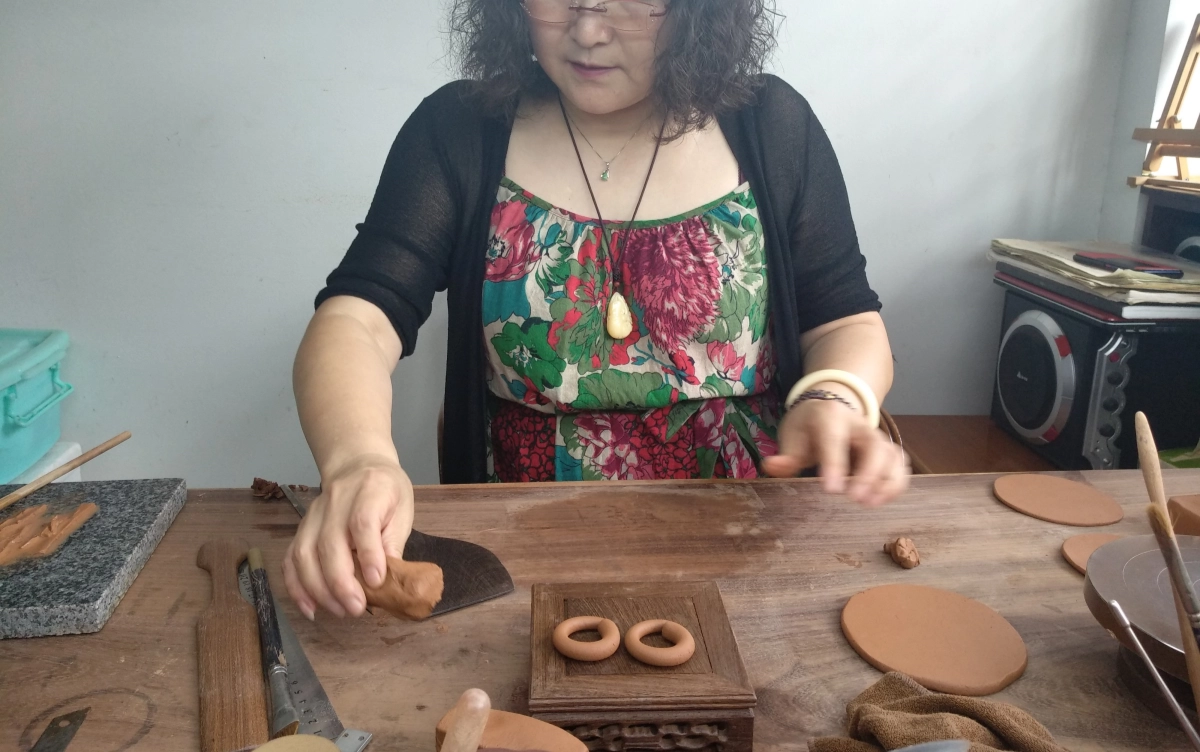
Your choice of clay is as significant as your choice of tea. Each Yixing clay type has a different effect on a brew:
| Clay Type | Best Tea Types | Notes |
|---|---|---|
| Zisha | Oolong, Pu-erh | Versatile, enhances complexity |
| Duanni | Green, Light Oolong | Softens astringency, gentle flavor |
| Hongni | Black, Dark Oolong | Warms, deepens, boosts aroma |
Data Source:
Evaluation based on ISO 14507:2018 (Fine ceramics – Advanced technical ceramics – Classification and characterization) and Protected Geographical Indication (PGI) registry for Yixing Zisha teapots in Jiangsu Province, issued by the China National Intellectual Property Administration (CNIPA)
http://www.cnipa.gov.cn/art/2020/7/1/art_2225_494.html
Data Source:
Yixing Ceramics: National Intangible Cultural Heritage Record, Ministry of Culture and Tourism of China (Heritage Code No. II-21) – covering traditional clay classification, craftsmanship, and tea pairing practices
http://www.ihchina.cn/project_details/13923/
Zisha (Purple Clay): The classic all-rounder, this clay balances heat retention and breathability, it is prized by those who enjoy alternating between oolong and pu-erh. Duanni (Yellow Clay): Very porous and mild, Duanni works well with lighter teas such as green or lightly oxidized oolongs, helping gloss over astringency and introducing a clean, sweet character to the cup. Hongni (Red Clay): Offering excellent heat retention, Hongni works well with black teas and heavily roasted oolongs, drawing out their warmth whilst adding depth and enhancing aroma. Case Study: A tea lover dedicated one Yixing teapot (Zisha) to a single high-mountain oolong. Over the course of a year, the pot acquired a glossy, dark patina and brews took on a noticeably richer, rounder flavor—testament to how clay and tea can grow together.
Should You Dedicate A Teapot To One Tea?
Absolutely. One of the golden rules of brewing the perfect cup with Yixing teapots is dedication. Because the clay absorbs flavors, using one pot for multiple teas can muddle aromas and create odd flavor combinations—imagine floral oolong crossing paths with smoky pu-erh! Most serious tea drinkers keep a separate Yixing teapot for each tea family, or even a favorite tea. Benefits of dedicating your teapot: Purity of flavor: Each infusion stays true to its tea type Patina development: The teapot’s inner surface becomes seasoned, intensifying and rounding out the tea’s signature profile Personal ritual: Over time, your teapot and tea form a partnership unique to you If you can only own one Yixing teapot, choose your favorite tea and stick to it. You’ll be rewarded with a brewing vessel that becomes more precious—and delicious—with every cup. Timeless design and classic craftsmanship make Yixing teapots an instant collector’s item. A real Yixing teapot is more than a brewing vessel, it’s a place where your favorite tea can live, like a family member as much as a tool. Dating back millennia to the Ming Dynasty, these vessels have remained in use thanks to high quality materials, surprising value, and long history that give the good ones a sense of relaxed resilience. That’s why a good one is not only one of the best purchases you can make as a tea lover, but can very easily become a lasting heirloom. But what is it that makes a Yixing teapot so special? And how have these little clay pots managed to capture the loyalty of tea drinkers across continents and generations?
Make Better-Tasting Tea Thanks to Yixing Teapots
For something so analog, Yixing teapots offer impressive improvement to not only the taste, but also the experience of tea. Both the chemical, material structure of the clay and the craft a potter uses to mold a clay teapot provide the basis for the little pot’s metamorphosis into a packhorse of sensory information. One of the most exceptional properties of purple clay is its porosity. Often compared to memory, the walls of Yixing teapots provide ample surface area for aromatic oils and residual flavors to collect. Stimulated after a buildup of repeated brews, a pot itself can season a tea with nuanced aroma and flavor unique to the cast of teas it has shared time with.
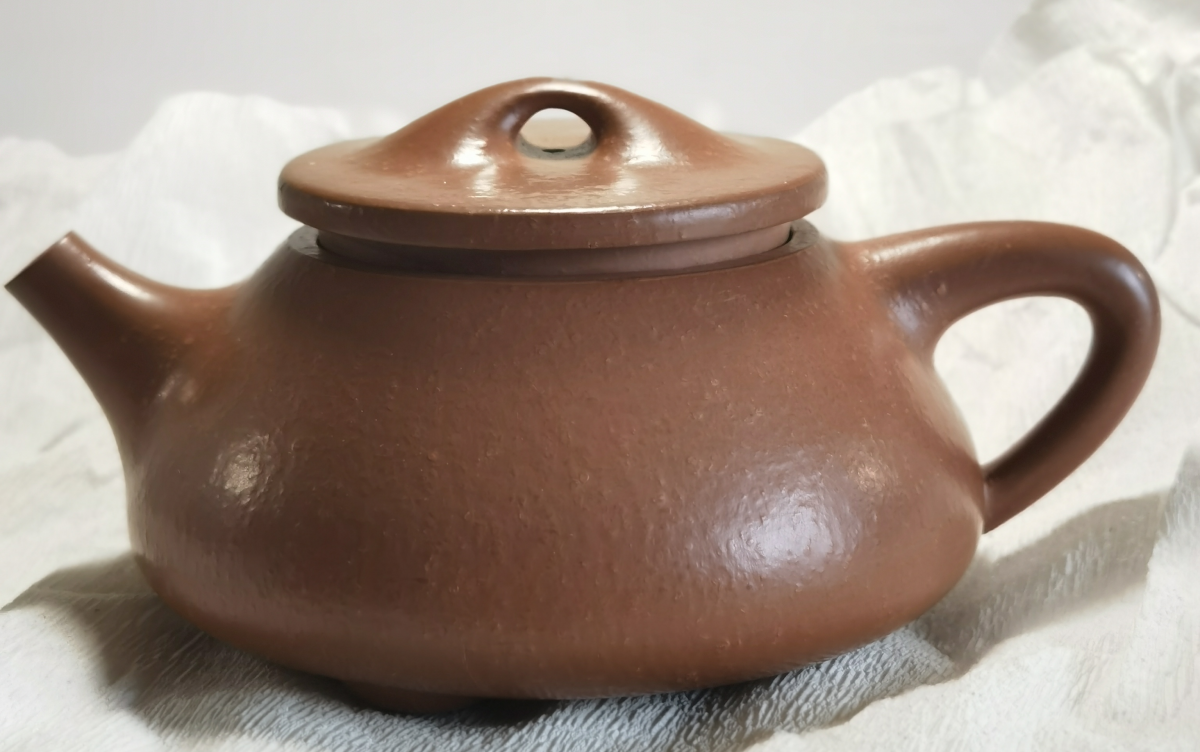
Shape & Clay Thickness Affect Flavor
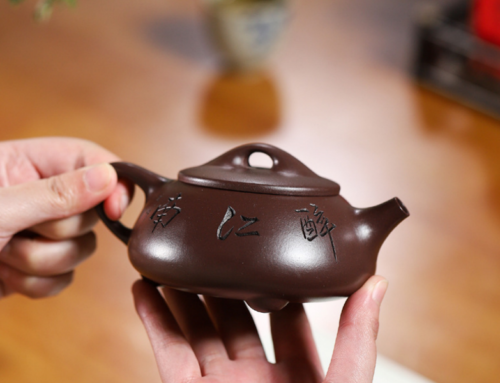
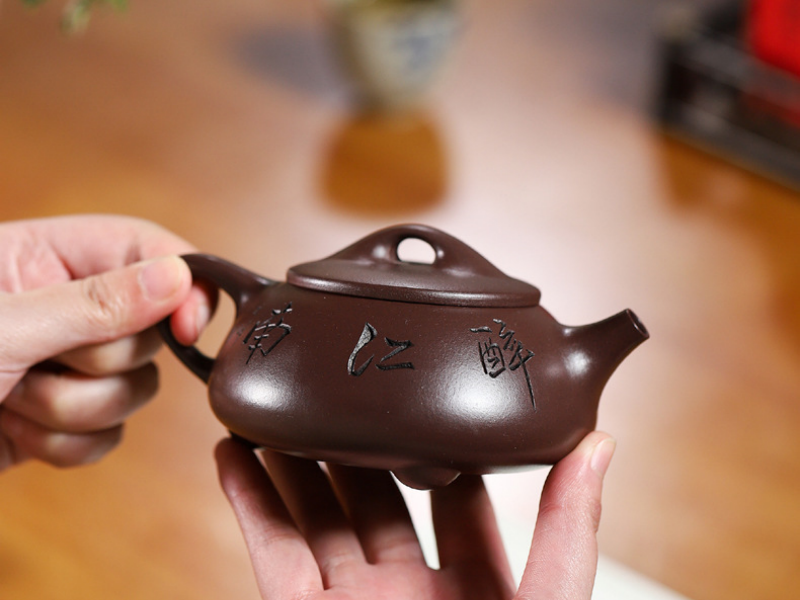
Shape affects the tea just as much as clay does. In general: Round, squat shapes (such as Xi Shi or Shui Ping) are perfect for brewing oolong and pu-erh. Their shape assists in even temperature distribution, as well as in helping the tea leaves to unfurl, maximize aroma retention within the body, and deconstruction of the brew. More upright, thinner shapes are better for black tea. With thicker walls, the heat is received faster than it diffuses outside of the teapot. Since it retains heat better, rounded shapes are better for oolong or pu-erh tea. As for thinner walled pots, relatively cool patches will form in the inner chamber in contact with the tea, and are most appropriate for more delicate green oolongs. Thicker walls retain heat for longer, suited for higher-oxidation teas such as pu-erh tea and black tea; thinner walls lose heat faster, therefore making them ideal for more fragrant oolongs and green teas that are more delicate to high temperatures. Fact: Studies have shown that the mineral content in Yixing clay, especially iron, interacts with tea polyphenols and subtly transforms mouthfeel and aftertaste in a way glass or porcelain can’t.
Simple Tips for Richer Brews
“The right teapot doesn’t just brew tea—it amplifies it. A seasoned Yixing pot is like a maestro guiding a symphony, each cup a new movement in a familiar melody.
| Clay Type | Best Tea Types | Flavor Strength | Notes |
|---|---|---|---|
| Zisha | Oolong, Pu-erh | Medium to Bold | Versatile, enhances depth |
| Duanni | Green, Light Oolong | Light, Clean | Softens astringency |
| Hongni | Black, Dark Oolong | Robust, Warm | Deepens and sweetens flavor |
Data Source:
China National Intellectual Property Administration (CNIPA)
Protected Geographical Indication (PGI) for Yixing Teapots
Outlines the geological origin of the clays, their classification (Zisha, Duanni, Hongni), and traditional uses based on specific tea types, impacting brewing strength and aroma development.
http://www.cnipa.gov.cn/art/2020/7/1/art_2225_494.html
Data Source:
Intangible Cultural Heritage of China (ICH China) – Ministry of Culture and Tourism
Yixing Zisha Craftsmanship – 国家级非物质文化遗产名录
Details traditional clay processing techniques dating back to the Ming dynasty, how each clay variant affects heat retention, tea body, and aroma intensity.
http://www.ihchina.cn/project_details/13923/
By choosing the right teapot, paying attention to clay and shape, and treating every brew as a new opportunity, you’ll quickly discover that the path to the perfect cup is as rewarding as the tea itself.
Frequently Asked Questions
When it comes to the perfect cup combining Yixing teapots and tea pairings, wanting to know more is only natural. Here’s a list of popular questions tea enthusiasts often have—along with expert answers to help you on your journey.
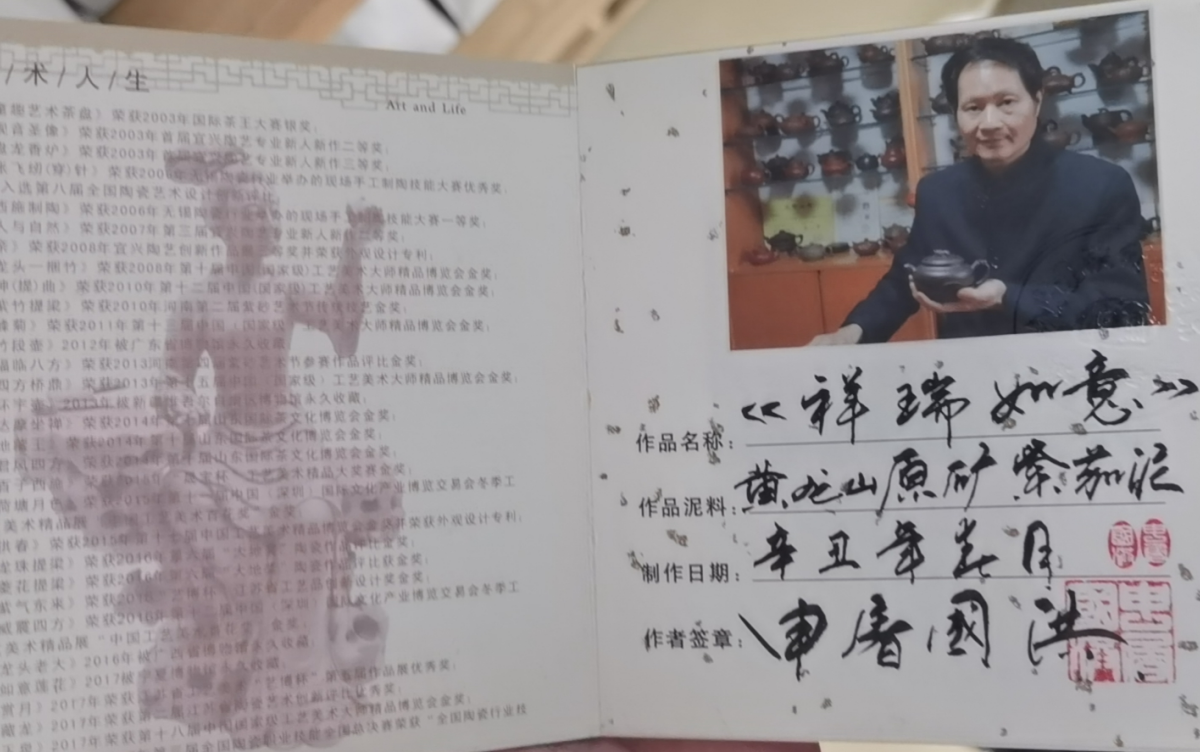
Genuine Yixing teapots are precious artefacts. To avoid being conned: See if there is a potter’s seal. Most Yixing pots will have a stamp from the maker on the base of the pot or sometimes inside the lid Feel the clay. Real zisha is subtly sandy and unglazed and shouldn’t feel glossy or look painted Tap it. A true Yixing pot will produce a clear ringing sound or even an echo of sound from within when tapped – never a dull thud Weight and balance. Genuine pots should feel well-balanced, substantial and sturdy without being heavy for their size Provenance. Buy from trusted vendors, particularly those who specialise in Chinese teaware
Can You Wash It With Soap?
Never use soap or detergent on your Yixing teapot. The porous clay will absorb any cleaning agents, potentially ruining future brews. Instead: Rinse with hot water after every use Air-dry with the lid off to prevent mildew Soak in hot water for one hour and rinse if stains or odors arise
How Long Does Seasoning Take?
The seasoning process is the infusion of tea oils and aromas into your pot and begins with your first brew. Layering noticeable flavors takes 10–20 uses, but many collectors believe the magic of a truly seasoned pot needs years. Even after decades, a well-maintained Yixing teapot continues to grow, further increasing what it gives to your tea. Pro tip: If you’ve purchased a vintage Yixing teapot, give it a good rinse with boiling water and (if you know) dedicate it to a similar tea that was used in it previously! This will continue to build character on the pot.
Is It Worth Dedicating a Teapot to One Tea?
Yes. The more you use your pot for a single kind of tea, the more it will enhance brewing, producing richer and purer flavors. Brew different teas in the same pot and you’ll make some odd, muddied brews (imagine an earthy pu-erh and floral oolong hitting the dance floor together). For true devotees of the drink, a pot for each tea type is the ultimate goal.
How Big Should My Yixing Teapot Be?

For Gongfu-style brewing (where Yixing teapots excel at), 100–250 ml sizes are ideal, allowing for several short infusions, each revealing the tea’s changing landscape, over and over again. Smaller teapots also facilitate management of temperature and extraction. By understanding these key questions, you’ll avoid common mistakes and get more enjoyment from each brew.
Conclusion
Stepping into the world of Yixing teapots and thoughtful tea pairings opens a door to one of the most rewarding rituals in tea culture. Brewing the perfect cup with a Yixing teapot is more than just following steps—it’s about embracing the subtle dance between clay, tea leaf, and your own evolving taste. Every session leaves a mark, not just in the pot’s patina but in your memory, too. Here’s what makes the journey worthwhile: Flavor evolution: Over time, your teapot and tea develop a synergy, creating flavors you simply can’t get any other way. No cup is ever exactly the same—each brew is a living, breathing story Personal ritual: Whether you’re a solo sipper or sharing with friends, the act of brewing with Yixing creates a mindful pause in the day. It’s a chance to slow down, savor, and connect Cultural connection: When you hold a Yixing teapot, you’re participating in a centuries-old tradition that links you to tea lovers across generations and continents Final tips for brewing the perfect cup: Choose a Yixing teapot that fits your favorite tea—don’t be afraid to dedicate one pot to one type Care for your teapot with the same attention you give your tea. Never use soap, always let it air dry, and enjoy watching the patina grow Experiment with different teas, clay types, and brewing methods. There’s no single “right” way—just the path that brings you joy and delicious tea “A good cup of tea is a small celebration. With the right teapot and the right pairing, it becomes unforgettable.” So, why not try brewing the perfect cup with a Yixing teapot and your favorite tea? With each pour, you’ll discover new notes, fresh aromas, and a deeper appreciation for the art of tea. The journey starts with clay and leaf—but where it leads is entirely up to you.