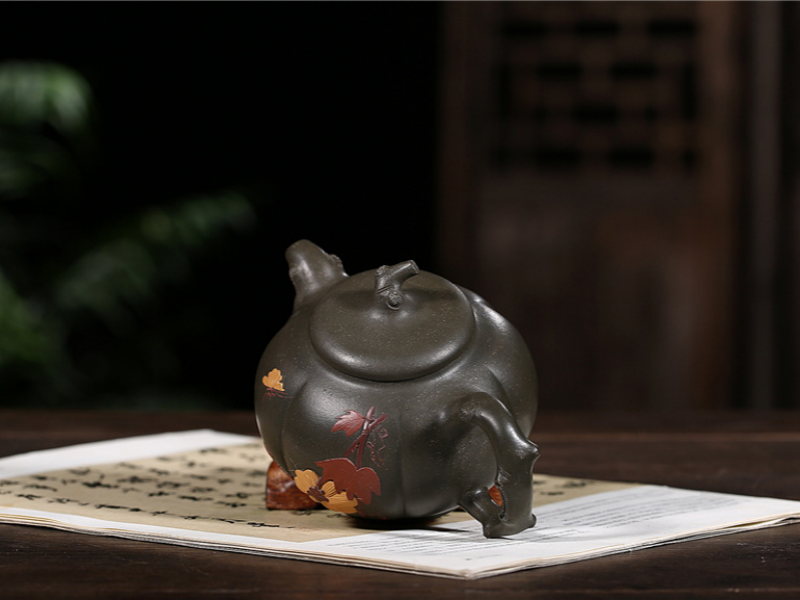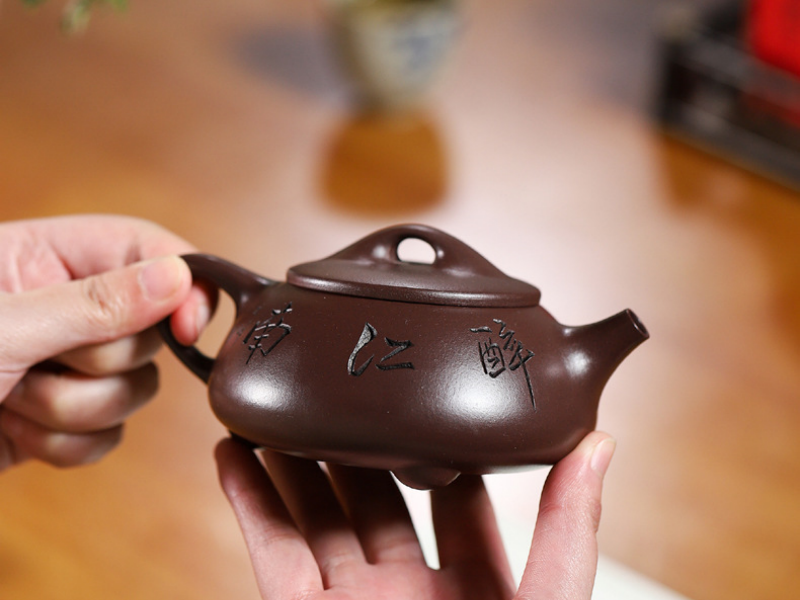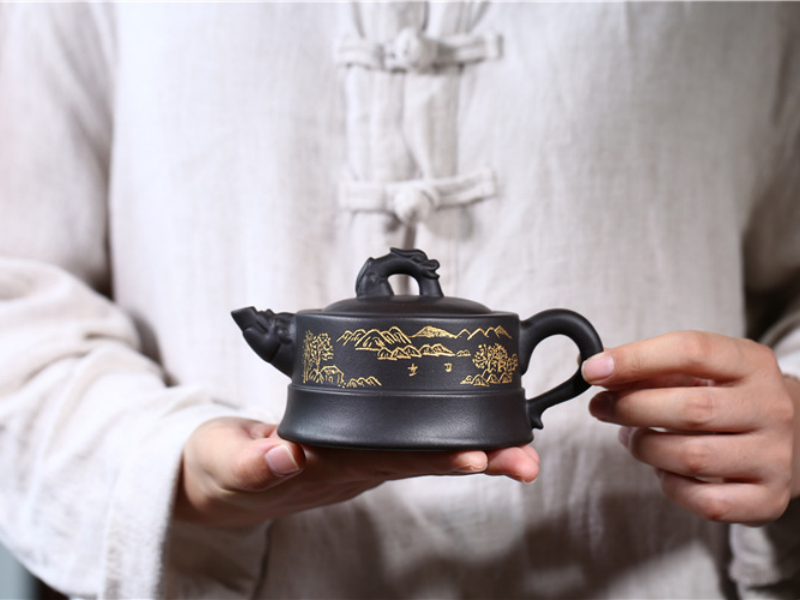
The Integration of Art and Craftsmanship in Chinese Teapots and Tea Culture
Inciting
Chinese teapots are enduring masterpieces that embody centuries of craftsmanship and tradition, and have played an integral role in the rich history of tea culture both in China and around the world. From their meticulous designs to their unmatched artistry and their unique capacity to enhance the tea experience, China teapots offer a fascinating journey for tea lovers, collectors, and art enthusiasts alike.
This article is about china teapots including their history, how they are made, designs, social and functional aspects. Whether you are a collector wishing to add to your collection, or merely just interested in the legacy chinese tea culture, this article will aim to give you an understanding of china teapots and the heritage and craftsmanship they hold.
Why China Teapots Are So Timeless
China teapots have stood the test of time because of their extraordinary ability to blend function and art. It isn’t just a way to brew your tea; it’s a representation of tradition, values, and aesthetic grace for the Chinese people. From ancient dynastic China to the present day, the Chinese teapot has been recognized for its beauty, resilience, and overall successes in the craft of creating the perfect tea.
Here are some reasons China Teapots are long lasting and so loved;


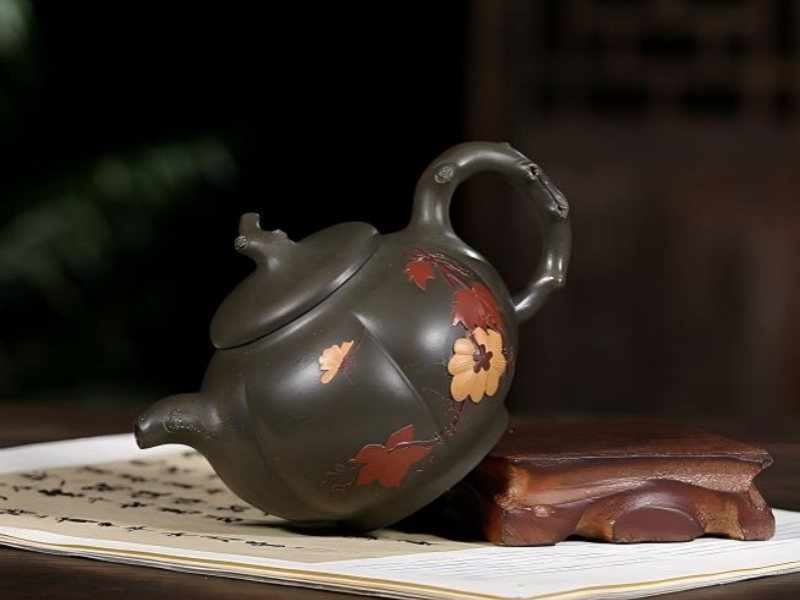

Whether it is their capacity to improve the flavours of teas, their gracefulness in appearance or whatever symbolic meanings, Chinese teapots are surely art, craftmanship and tea culture all rolled into one that is able to withstand the test of time.
Significant Events in the History of Teapots:
| Period | Key Development |
| Tang Dynasty | First teapots created for actual brewing of tea. |
| Song dynasty | Minimalistic design based on Zen tea ceremony. |
| Ming dynasty | The teapots from Yixing were improved by great leaps and bounds and because of the rise of those teap |
| Qing dynasty | Porcelain teapots decorated with elaborate hand |
| Modern era | fusion designs including both contemporary and traditional. |
Data Source: “Teapots through time” by the Victoria and Albert Museum (V&A), providing a history of teapot development through various Chinese dynasties. https://www.vam.ac.uk/articles/teapots-through-time/
The Evolution of China Teapots: From Ancient Dynasties to Modern Times
Spanning over thousands of years, the history of china teapots is long and interesting. They have evolved to reflect the culture, art, and technology of China throughout the centuries. From as far back as utilitarian things to masterpieces, read up more:
Teapots originated in ancient China during the Tang Dynasty, when the drinking of tea became popular. Tea was first drunk by pouring the water over the processed and dried tea leaves and boiling the whole decoction. The concoction drank as a result of this preparation would have born greater resemblance to a simple vegetable soup. Processed dried tea leaves and the whole decoction could brewed several times before being fully consumed, resulting in distinctly different flavours. The whole decoction was decanted into bowls. One possible example of a tea pot from the Tang Dynasty may have been discovered in 1956, in Zhejiang. Such vessels immediately preceded the teapot in China. Domestically they are not considered teapots but a type of wine ewers due to the possibility they were not used solely for tea but with alcohol as well. All tea pots are commonly put as early Song dynasty, and their popularity as a wine ewer or decoction appeared to explode during southern Song dynasty period. Tang dynasty tea bowls, if fitted with a handle, could have functioned as a teapot. Early
Over time, during the Song Dynasty (960–1279 AD), preparation of tea started to change and evolve into a science, with ground, powdered tea—the form used in the Japanese tea ceremony known as matcha coming into fashion, and teapots with it, a symbol of “culinary and artistic refinement”. Earliest teapots were small and made in the Yixing region in a rough-hewn style. The earliest texts of Yixing ware teapots appeared in the Song. Instantly recognizable as teapots, they share many of the characteristics of teapots of today, the most noticeable difference being the lack of
The Origin of the Yixing Teapot
Loose leaf tea was invented in the Ming Dynasty (1368–1644 AD), and people developed new ways of preparing it to bring out its best qualities. It is supposed that they were first produced in the 1500s. Today, these are called Yixing teapots. Yixing teapots were made to be used for loose tea. So, boiling water could be poured directly inside the pot when a person uses loose tea. Teapot is also suitable for every other methods of preparing tea leaves that includes toasting, boiling, or roasting. So, it was said that Yixing teapots were invented since the Yixing teapot that was discovered was made out of local clay. teapots have been developed from particular Yixing school that is very popular
Yixing teapots are famed for their porous nature retaining the flavour of the tea. Over time, Yixing teapots are said to absorb the tea, producing a better quality of flavour. Because teapots make better and richer tea longer they are used, they are said to aquire a memory for the tea and should not be washed with soap; they are instead rinsed out and allowed to air-dry. Soon, artists found themselves testing the limits of the new material and began developing teapots of all shapes and sizes.
Teapots became markers of status and aspirational middle-class families made sure to display their collection on a
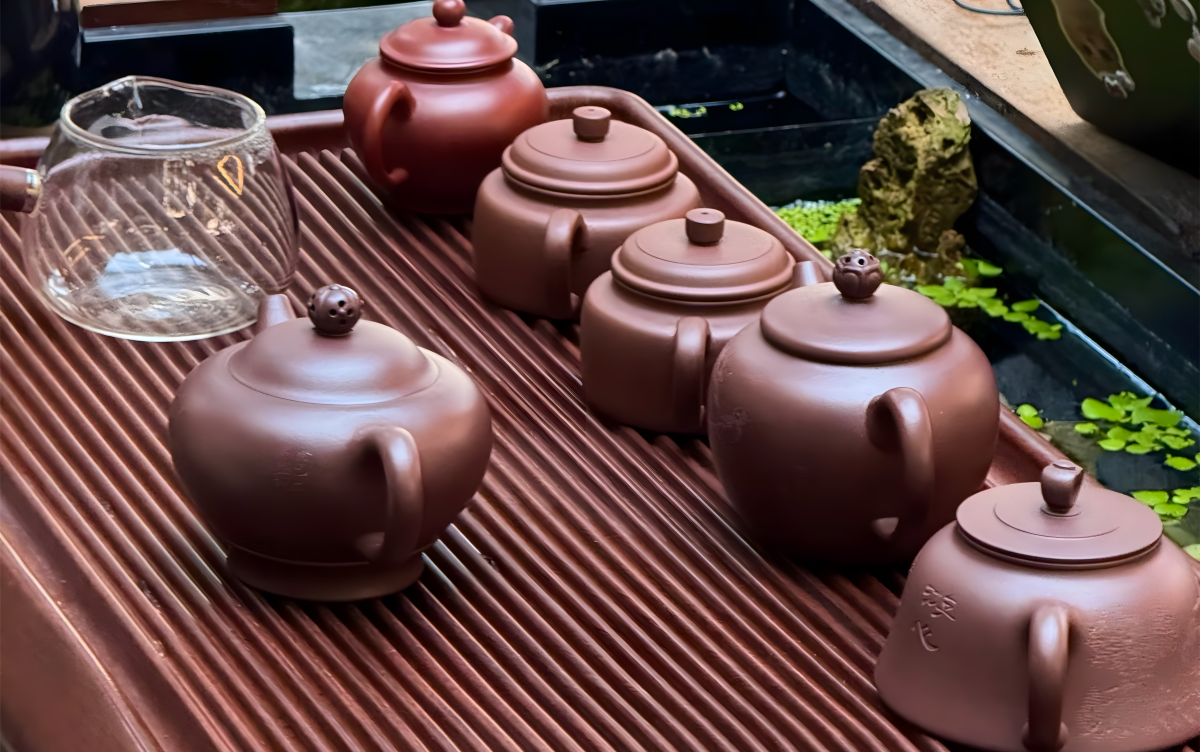
Modern Era – 20th and 21st Centuries
China teapots of the twentieth and twenty-first centuries continue to set standards of excellence in design. They are often traditional China tea wares through combinations of form, features, motifs and elements. In general, modern China teapots reflect themes of tradition in altered images, however defined, and inspired innovative design of traditional classic themes.
Today’s artisans have pioneered innovations in their pursuit of new fashion, with one series scrambling together a great great deal of styles they mixed and matched. They have enabled the teapot to win the favor of the chinese and foreign markets. The popularity of China’s tea culture in the world additionally adds extravagantly high value for China teapots for collectors and purists both Chinese and foreign.
Significant Events in the History of Teapots:
Period Key Development
Tang Dynasty First teapots created for actual brewing of tea.
Song dynasty Minimalistic design based on Zen tea ceremony.
Ming dynasty The teapots from Yixing were improved by great leaps and bounds and because of the rise of those teap
Qing dynastyδεκαδρας Porcelain teapots decorated with elaborate hand
Modern era fusion designs including both contemporary and traditional.
Chinese teapots represent a blend of ancient art and highly innovative technology. The development of the Chinese teapot reflects the development of the Chinese tea-drinking culture and technology as well as the development of ceramic arts in traditional China.
The skills that require to make china teapot are simply breath-taking
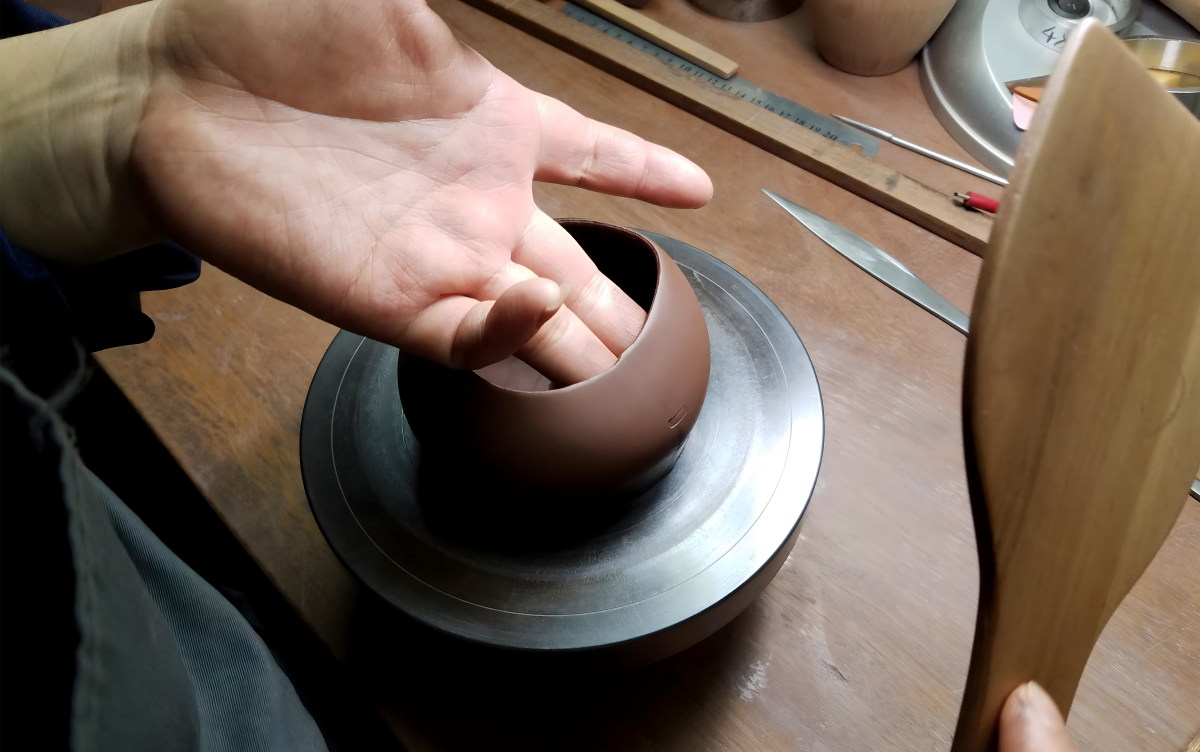
Each and every teapot represents their careful skills, techniques as well as adept at different materials. Whether it is made of Yixing clay or porcelain, the journey of forming these timeless artefacts are full of craftsmanship and accuracy.
| Aspect | Handmade Teapots | Mass-Produced Teapots |
| Craftsmanship | Unique designs with artisanal attention to detail | Standardized designs with consistent quality |
| Cost | Luxury investment with higher cost due to time-consuming processes | Much more affordable, accessible for general purchase |
| Value | Usually collector’s items and worth a fortune | Useful and relatively cheap |
Data Source: “Yixing Teapots: Transfer and Transformation” (discussion of craftsmanship, artisanal value, and collectability of handmade teapots) by Asian Ceramics. https://aziatischekeramiek.nl/en/learn/7539-yixing-teapots-transfer-and-transformation
Traditional Techniques Overview
The art of teapot making in China can be traced back thousands of years utilizing many of the same techniques and conventions. Here is a list of some of the most notable.
Materials in china teapot making
The material has an influence on both the usefulness of the teapots, and their beauty.
Yixing clay
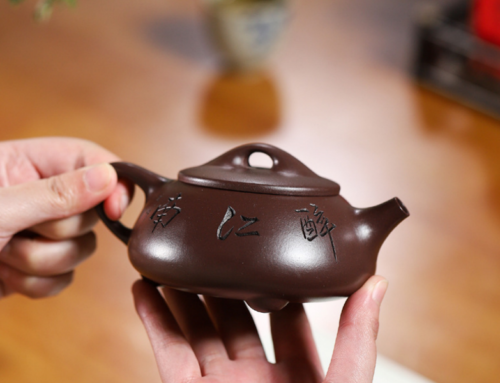
Yixing clay is one of the most popular clays used to create teapots and is a type of Zisha clay. Yixing clay is a popular clay to use because of its porous nature. If not glazed, the absorbent quality of Yixing clay will absorb a small amount of the flavor of the tea brewed in it. Thus, after long use, the teapot will be seasoned. It will then be able to brew better tea than a teapot that is not seasoned: subsequent pots of tea brewed with a well-used teapot will bring out more of the flavor of the tea.
Porcelain
Porcelain teapots Porcelain teapots are smooth textured and more refined or artistic in appearance. The first of porcelain teapots was found in the Tang Dynasty. Their glaze can sometimes be artfully decorated by skilled artisans or painters. These glazes can be of floral varieties or of a more pictorial composition. Porcelain pots are not as porous as the clay counter parts of unglazed teapots, and are better suited for making green and white teas.
Ceramics
Usually ceramic teapots are glazed both inside and outside, as well as over any underglaze decoration. However, unlike porcelain teapots, ceramic teapots traditionally do not have decorative on-glaze decoration, as ceramic teapots are not considered a form of art. Ceramic teapots are made as functional items, and are produced in high quantities in a high.
Although mass-produced teapots are less artistic than handmade ones, there are advantages to mass-production.
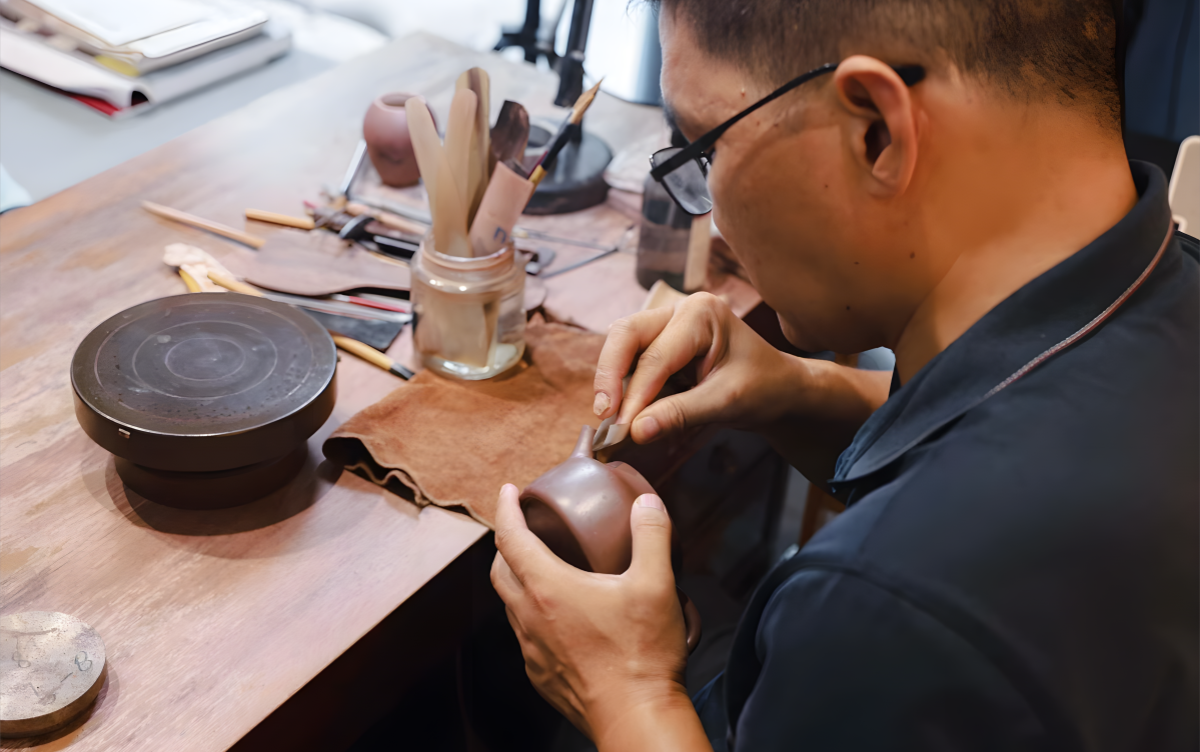
Problems of China Teapot Making
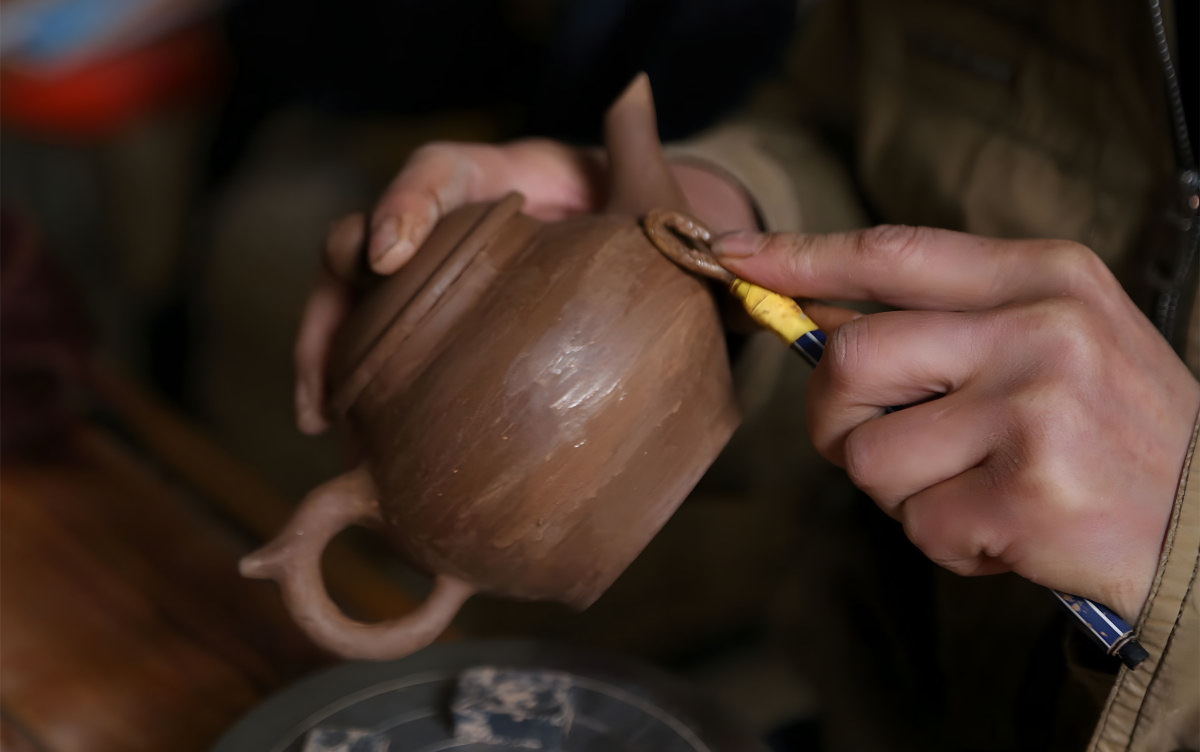
China teapot making is not without it’s problems. One must be a skill craftsman in order to be successful at this endevour. It’s important to be able to handle the delicate teapot in order to create something beautiful yet useful. The fiiring process is particularly troublesome because if there isn’t a balance in tempearatures the teapot will crack or become misshapen.
To create great things, great masteries needs to be know and it takes time in order to master such things as creating China teapots. The China teapot is not just an object that brews tea leaves but it an extension of the makers expression off their creativity and identity.
China Teapot Designs that Influenced Tea Culture for Thousands of Years
The aesthetics, or design, of teapots is a reflection of the creative talent and cultural accomplishments of their makers. In different historical periods teapot designs, while considering the practical functions of teapots, have enhanced interest in tea drinking, shown the period’s characteristics, and influenced the world’s understanding of culture and artistry in China.
Various classic teapots from different periods in time
Different periods from Chinese history all produced their own iconic versions. Some teapots are in love with mud (clay).
Tang Dynasty (618–907 AD): Simple. Design characteristics: Functioned form, with less decoration.
Function: When a teapot is first made from ceramic, its body is completely sealed off from the outside, and thus no air can get inside. When pouring
Legacy: Tang Dynasty developed the beginning point for functional teapots.
Ming dynasty (1368–1644 AD): simple teapots were being invented made from the clay of Yixing. Focused more on naturalistic and earthy shapes.
Features: Hand-carved pattern and ergonomic protruding handle Companion in the Kitchen, Rugged gadgets Ensure your meals are perfectly flavored!
The commissioned teapots were regarded as the best bottles for their quality and became the choice of tea drinkers to brew tea with, contributing to Yixing
Qing dynasty (1644–1912 AD): porcelain artworks They started to be predominantly produced for export (reducing the style) and to be nearly exclusively decorative, with elaborate hand-assisted
Motifs: Project imperial glory such as dragons, phoenixes, floral work as well as landscapes.
Legacy: These are the extravagant teapots that are found/valued from the Qing Dynasty.
Modern Era: New Tradition Contemporary teapots with modern designs that incorporate traditional elements.
Features: trialling of new materials, shapes and styles to appeal to global tastes.
Legacy: Modern teapots now have a more flexible role, but do not lose the fine art from ancient China.
Cultural and artistic influences
China teapot designs are heavily influenced by cultural and artistic influences—for instance:
How Design Helped Make Tea a Ritual
The function of a teapot influenced how a teapot was used in a tea ceremony:
Chinese teapots have had a large influence on tea culture in China and how many types of tea are brewed and enjoyed world-wide. The elegance, craftmanship, and functionality of Chinese teapots continue to provide tea connoisseurs with inspiration, capturing the artistic expression of tea making in every pot.
A Collector’s Guide to Identifying Authentic China Teapots
China teapots are highly prized and sought after by collectors around the world. Their craftsmanship, historical significance, and aesthetic appeal make them desirable additions to any collection. However, as with any collectible, authenticity is key to maintaining the value and integrity of the pieces. In this section, we’ll provide valuable tips and insights on how to identify authentic China teapots and avoid counterfeit or replica pieces
Key Features of Authentic China Teapots
When looking for an authentic China teapot, it’s important to take note of key characteristics such as:
Spotting a Fake Teapot
Fake teapots can sometimes be difficult to spot, but here are a few general things to look out for:

If tea set prices look too good to be true, it’s probably because they are. Real antique or collectible teapots are more expensive because they’re better quality and harder to find.
Best-Selling Tea Types
| Style | Material | Key Features | Best For |
| Fine Porcelain | Porcelain | Smooth texture, intricate hand-painted motifs. | Light teas like green tea. |
| Ceramic Teapot | Glazed ceramic | Durable, versatile, plain aesthetics. | All the everyday essentials in life |
| Contemporary Fusion | Fusion of contemporary and traditional materials | Shapes with a modern look that combine tradition and innovation. | World Tea Culture |
Data Source: “Teapots through time” by the Victoria and Albert Museum (V&A), detailing fine porcelain, ceramic, and fusion teapot materials, styles, and their best uses. https://www.vam.ac.uk/articles/teapots-through-time/
China Teapot Collecting Tips
If you are interested in staring or adding to your own collection of China teapots, here are some tips:
A collector finds an antique Yixing teapot at a local estate sale. The teapot has a maker’s mark that matches records from the Qing Dynasty. Upon further inspection, the teapot shows the porous texture common to genuine Zisha clay and has a balanced weight indicative of high-quality craftsmanship. The collector authenticates the teapot with an expert, and later sells it at auction for a significant profit.
Collectors Chinese teapots are the keepers of culture and if you know what makes Chinese teapots collectable and how to identify them then you can build up an authentic collection that will be satisfying and fulfilling.
Chinese Teapots in the Limelight
Function of Chinese Teapots in Chinese Tea Ceremonies
Chinese tea ceremonies are a very important part of Chinese culture. The tea ceremony highlights on harmony, respect, and mindfulness. The Chinese teapots play an important part in these ceremonies as they are not only merely vessels to brew tea, they are also an indication of the host’s knowledge of tea and the host’s ability to appreciate tea culture.
The Functionality of Teapots in Tea Ceremonies
The main functionality of teapots is to brew the tea properly to achieve the best taste. Various types of teapots can be used for different types of tea.
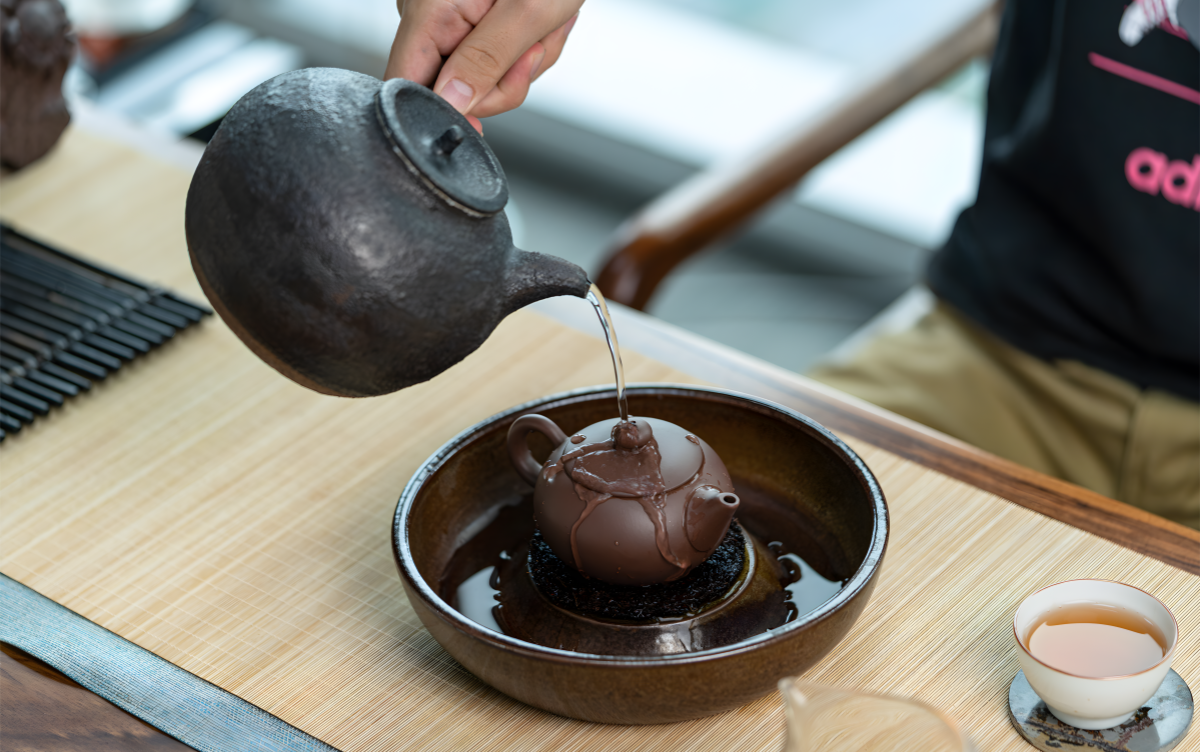
Teapots also add complementary aesthetic themes as well as potentially raising the perceived value of the tea. A high-quality teapot is expected to retain heat well in order to keep the steeping temperature of the tea consistent.
There are several regional variations of tea ceremony in China, for example the Taiwanese and Sichuanese versions; (Sichuan has an alternate form, the Yongchuan suimn tea ceremomy, as well.) These are not ceremonial
Gongfu Tea Ceremony (福建、廣東)
Type: Yixing teapots are an indispensable element of the Gongfu tea ceremony.
Process: Small amounts of tea leaves are brewed so that that participants are able to enjoy several infusions of the tea. The small teapot allows the brewer to control the brewing.
Green Tea Ceremonies (Zhejiang Province)
Teapot Type: Porcelain teapots are most
Process: The coarse key point is to keep the tender flavour and taste of the green tea, aroma compounds and taste compounds in green tea are very tender to temperature.
Pu’er Tea ceremonies (Yunnan province)
Teapot type:Bigger in ceramic.The aged raw puer tea is usually brewed with this style of tea set.
Process: The durability of the teapot allows for the longer duration of steeping required for Pu’er tea.
Teapots are chosen to enhance a ceremony, helping it to become a fine art. Hosts often choose teapots that enhance the tea that is being served, the occasion, and the decor:
You may choose a hand-painted porcelain pot for formal entertaining or a rustic Yixing teapot for private contemplative tea ceremonies.
China teapots are not merely implements for brewing tea; they reflect the art and philosophy of Chinese tea culture. Form and meaning integrate, making them part of the practices that infused China’s tea-drinking culture.
| Factor | Description |
| Age | Older teapots, particularly those from famous dynasties, are more valuable |
| Condition | Teapots in perfect or very good condition sell at a premium |
| Rarity | Teapots that were produced as limited runs and custom or once-off designs also tend to be more valuable |
| Provenance | A documented ownership history or origin. This can grant a desirable pedigree to a teapot |
| Artistic Merit | More complicated designs, hand-painted designs, and quality artistry are more valuable |
Data Source: “Teapots through time” by the Victoria and Albert Museum (V&A), which discusses the importance of age, rarity, provenance, and artistry in the valuation of teapots. https://www.vam.ac.uk/articles/teapots-through-time/
How Chinese Teapots Work: Why the Material of China Makes Tea Taste Different
Teapot material is one of the biggest factors in determining the taste and aroma of a particular tea. Chinese teapots—constructed from materials such as Yixing clay and porcelain—are known for their ability to elevate the experience of drinking a given tea. Here’s why these materials make for a superior teapot.
Yixing Clay: Tea Connoisseur’s Dream
Yixing clay teapots are made from Zisha clay and are renowned for their porosity. The pores of the teapot absorb tea oils and flavors into the pot through the steeping process. The pot’s “memory” is what this flavor trapping has come to be called.
Scientific Properties of Yixing Clay
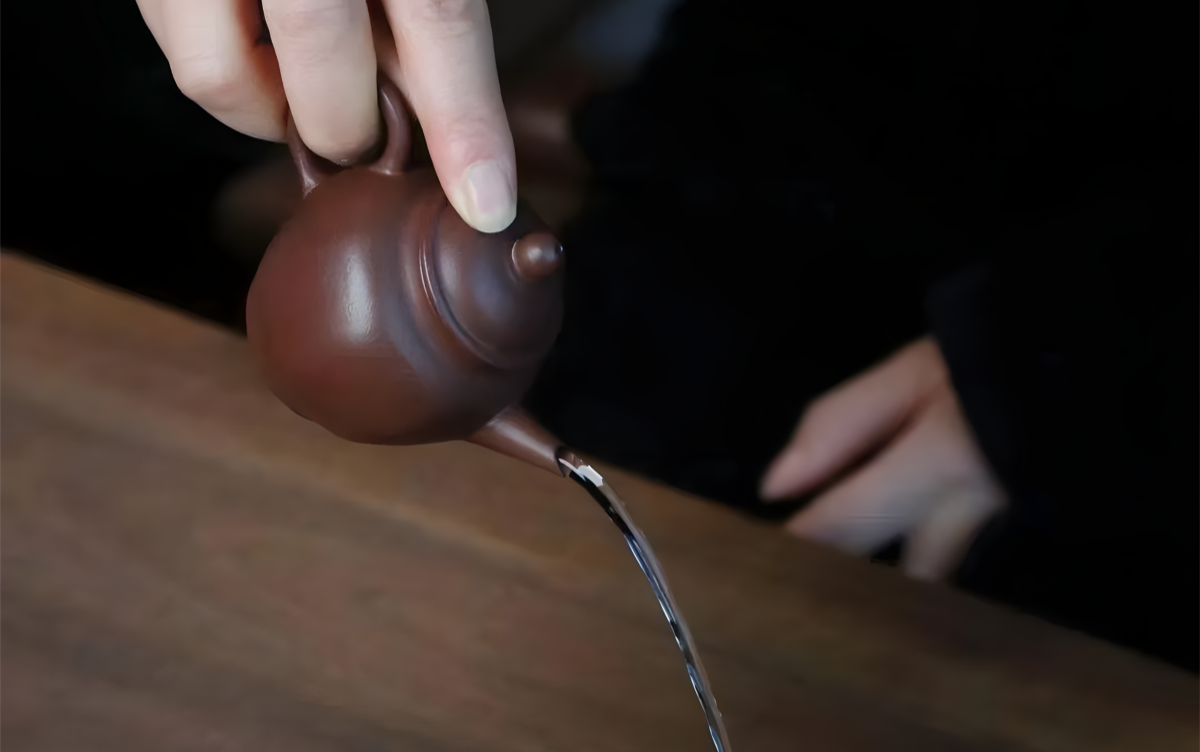
The most popular teas infused in Yixing teapots are mainly darker teas, such as:
• Oolong • Pu’er • Black
This method takes advantage of the heat retention of the teapot, and flavour deepens as species is extracted continuously.
Porcelain teapots are known for their refined and elegant qualities
Porcelain teapots have smooth and impermeable glaze surfaces which allow them to retain the pure taste of tea; they do not absorb the oils from tea like Yixing clay pots do.
Scientific Properties of Porcelain
• Green tea • White tea • Yellow tea
These teas often need careful temperature management to maintain their delicate subtle tastes and scents.
Ceramic teapots are the in-between of Yixing clay and porcelain. They don’t retain flavors because their glaze makes them nonporous, but they do have better heat retention and therefore greater versatility.
The ceramic glazed surface gives the teapot it’s scientific properties. It prevents the teapot from staining and keep the tea fresh flavor.
• Durability: Ceramic teapots are extremely durable and tend to stand up well to physical damage, making them suitable for everyday use.
What teas ceramic teapots are best for: Ceramic teapots are suitable for both dark and light teas;
• Traditional Chinese Tea.
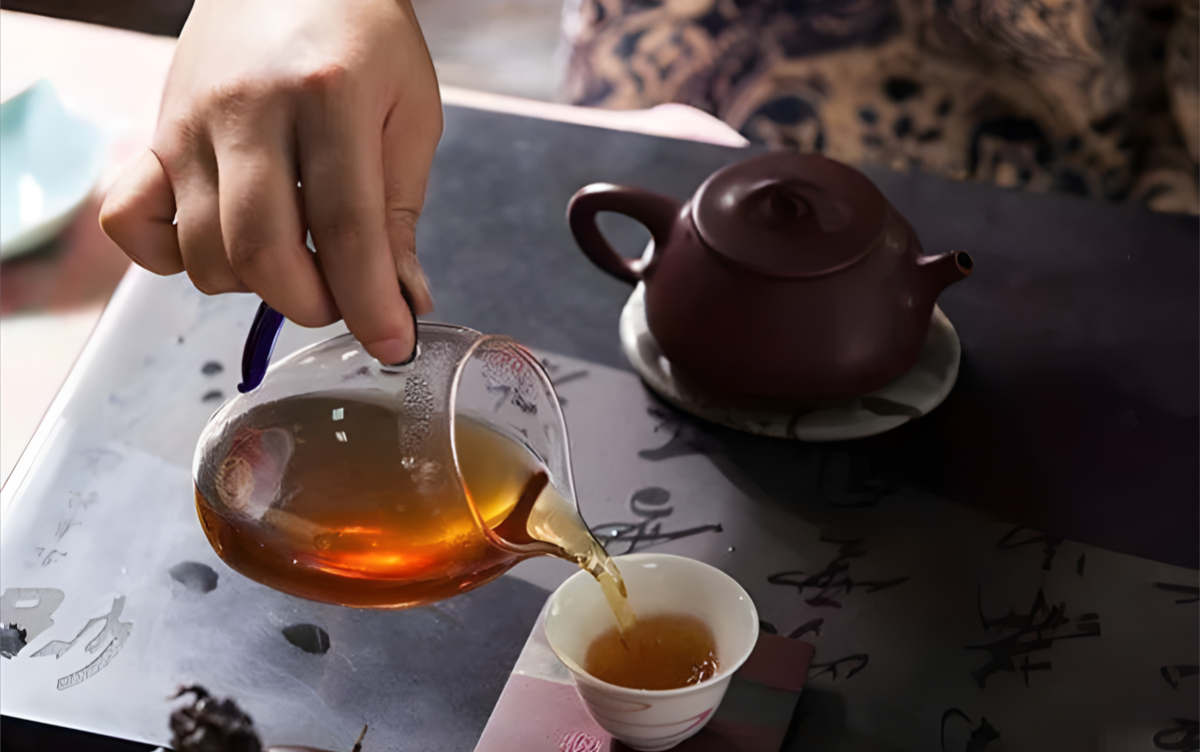
A tea master brews oolong tea with a Yixing teapot made of purple clay. As the oolong tea undergoes multiple infusions, the Yixing teapot enhances the floral and fruity aromas exhibited by the tea, building up one layer of aroma after another; its heat retention properties help keep the tea at an optimum temperature, and its porous nature enriches the tea’s texture with every infusion.
By researching science behind best Chinese teapot we can learn that the raw materials of the teapot not only bring aesthetic delights but also function efficiently. The study of Yixing clay, porcelain and ceramic which build the Chinese teapot shows us how it pairs perfectly with tea.
| Material | Key Properties | Tea Types | Flavor Impact |
| Yixing Clay | Porous, heat-retentive, mineral-rich. | Oolong, Pu’er, Black Tea. | Enhances tea’s natural flavors, adds depth over time |
| Nacre | Fine, hard, smooth, shiny. Cream-white, luxury appearance, translucent. | Light teas (e.g., green, white). | Preserves delicate flavors, adds subtle elegance |
| Ceramic | Glazed, brews a wide range of teas. Hard, durable, versatile. | Herbal, blended teas, and traditional teas. | Well-rounded, little alteration to original flavor |
Data Source: “Yixing Teapots: Transfer and Transformation” by Asian Ceramics, discussing Yixing clay’s properties, tea compatibility, and its unique influence on flavor. https://aziatischekeramiek.nl/en/learn/7539-yixing-teapots-transfer-and-transformation
Common Motifs in China Teapot Designs
The motifs on China teapots often draw inspiration from nature, mythology, and philosophy. Here are some of the most common patterns and their meanings:
Floral Patterns
Animal themes
Geometric Patterns
Teapot art was an expression of the era’s
• Confucian Ideals: importance of harmony and balance expressed by symmetrical layout and circular shape.
• Daoist Sensibilities: Nature and immortality themes abound on the teapot with the incised cranes and clouds.
• Buddhism: Lotus flowers were idealised for their spiritual purity and enlightenment.
Each dynasty contributed_ENTRIES_APPENDIX_entriesCaptions.
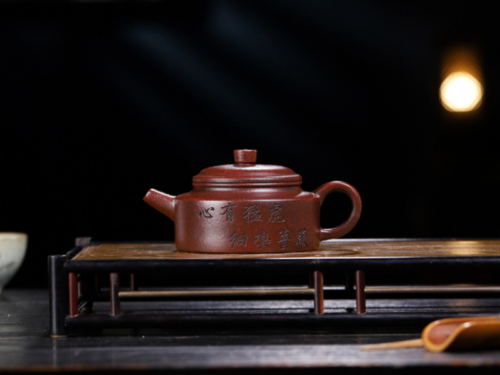
In humble earth colors, with minimal decoration, simple but sophisticated forms, these Ming dynasty Yixing teapots project a calm and austere beauty intended to showcase the form and make clear the potters’ deep understanding of materials and of how their teapots would perform.
Qing Dynasty: the porcelain is overpainted in bright, crude colors reflecting the glory of an empire
The modern day: Teapots of today are simultaneously rearticulating the traditional symbol, however they are experimenting with new techniques to connote a broad and modern interpretation to widespread audiences across the world.
The cultural symbolism that teapot art encapsulates is not simply embodied within the artwork itself, however, is heavily communicated through the way in which the artwork is used and presented in tea drinking practices.
• Lotus ware decorated teapots may be used in ritual for present minded awareness and spiritual unity.
• Dragon motifs may be used in festivals, parties, special occasions, or to honor guests.
• The cranes patterns can be utilized for ceremonial events associated with the desire of good luck and longevity.
The art symbolism of the teapot span greater importance than just artistic beauty but represent the values and beliefs that has influenced the Chinese culture for thousands of years. Being able to appreciate these designs may allow you as a tea lover to gain a more in-depth understanding and exposure to the traditions and beliefs that make the china teapots an everlasting culmination of art, craftsmanship and tea culture.
Keeping Your China Teapot in Shape: Maintenance Tips for China Teapots
China teapots are delicate and exquisite products. Proper care will keep your China teapots functional, beautiful, and will extend their lives. No matter you have a handmade Yixing teapot or a finely-made
Cleaning a china teapot requires care to ensure that the china material and design are not damaged. Here are some best…
Take Care of any Tea Stains
Should you find any lingering tea stains, a paste made of baking soda and water should do the trick. Apply some of the paste to the tea stains using a soft cloth and rub them out.
After you rinse the teapot off, dry with a soft towel so that is can never completely dry.
Storage tips
Proper storage of your china teapot is essential to preserve it’s quality.
High water temperature and the corrosive nature of the chemicals in dishwasher detergent can damage the material and the
Long-Term Exposure: Prolonged exposure may weaken the integrity of the teapot or cause the teapot to stain
Quick Drying: An air-dry teapot always suffers water spotted and moldy easy. Always Blot dry with a soft cloth.
Not washing it frequently. This build up over time could affect the taste of your tea and erode the surface.
Conclusion
Marking a complex intersection of artistry, craft, and the culture of tea consumption, Chinese teapots present a richly textured history of tradition and innovation. From origins to modern-day significance, they have grown from simple utilitarian objects into cultural artefacts and symbols of artistic sophistication.
In this article, We will explore the fascinating history of China teapots, the meticulous craftsmanship involved in their creation, and the iconic designs that have stood the test of time. We will also explore their role






 123123123