How to Identify Authentic Zisha Teapots: A Complete Guide
The allure of Zisha teapots is almost mystical. For hundreds of years, tea masters, casual drinkers, and collectors alike have sought out these modest clay pots for their ability to transform a humble cup of tea into a ritualized ceremony. But with a market full of fakes and clever reproductions, how can you tell if the teapot you’re holding is genuine Zisha? In this guide, we’ll walk you through how to identify authentic Zisha with expert tips for buying real Zisha teapots, so you can steer clear of expensive mistakes and enjoy the unique properties of true Zisha.
Why Authenticity Matters and What Makes These Teapots Special
Moreover, in so far as you, like any other tea novice, are doubting what exactly is it that renders Zisha yixing teapots so special? Well, on the simplest front, Zisha teapots are special because they are rare working works of artistic craftsmanship produced in only a small geographic region deep within China. If you want to appreciate tea for all it’s worth, knowing what Zisha teapots are (and why it’s essential that they’re authentic), is a must. Zisha teapots, or Yixing teapots, are made from a unique subcategory of clay called purple sand that can only be found—almost exclusively—in Jiangsu province, China, at the bottom of Lake Tai. This clay has a high mineral composition (specifically a combination of iron oxide, quartz, mica, and several other mineral compounds), which has helped Zisha teapots achieve their renown status among tea lovers and connoisseurs alike. No, I want the real thing – the mineral composition of real clay interacts with the tea in ways that fakes, typically stamped-out of a clay whose mineral composition cannot be known, simply does not. An authentic Yixing teapot will:
You probably wonder – why not just about any clay teapot? It’s not enough, as the properties of genuine Zisha clay give you the benefits you won’t be able to duplicate:


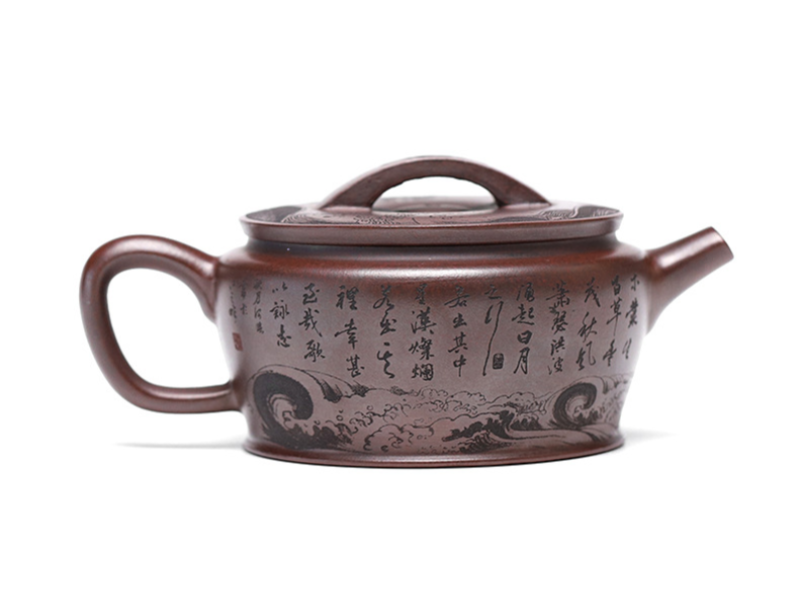
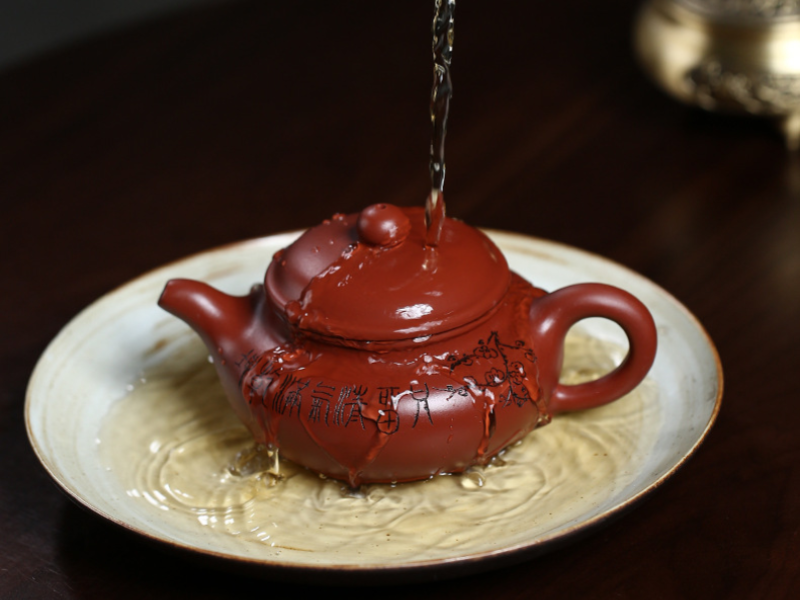
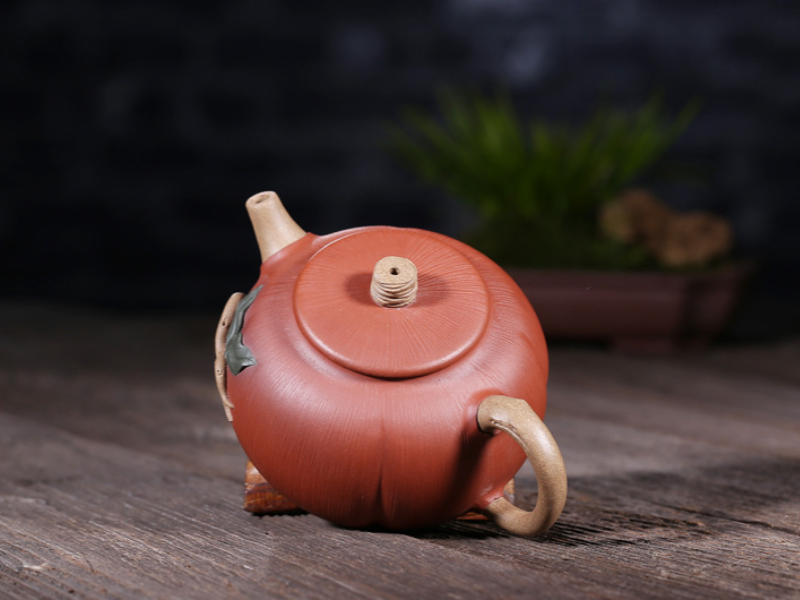
Expert quote: “Every piece of Zisha teapots is unique, there’s no two alike. Once you encounter that one companion, it goes beyond brewing tea, it becomes a lifelong friend” — Li Jun,
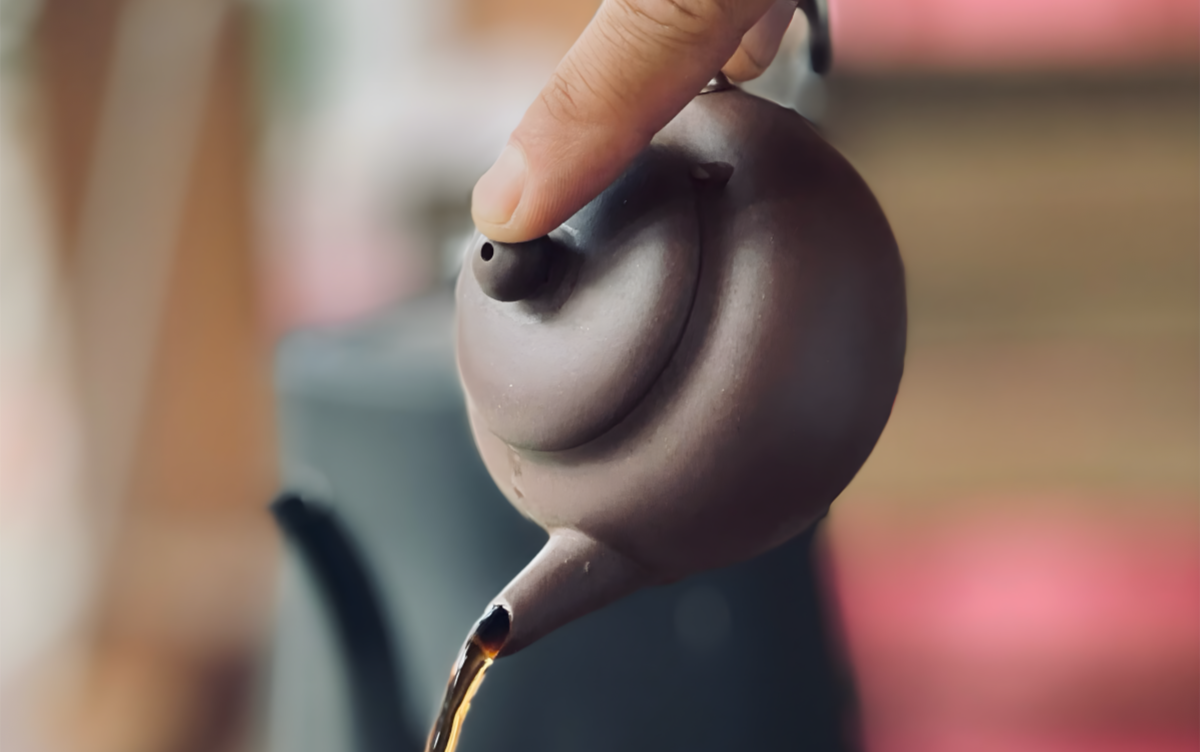
Understanding Yixing Clay
What is Yixing clay?
Zisha (紫砂), literally “purple sand”, is a special clay found in certain sedimentary beds within the hills of the Yixing region. The clay has an unusual combination of minerals including abundant iron oxide, kaolinite, quartz that gives the teapots its distinctive colours and porous quality. The three primary types of Zisha clay are: Fun fact: To create the best Zisha clay, the clay is stored for many years and then used to make the teapot. Over the years, the colour The real Zisha consists of Wadun clay, Zishan clay, and sand mixing clay. Wadun clay is a kind of miscellaneous hole rock. Its structure is dense, like soya made from the silly, fine and hard. Because mua mine was discovered
The Heritage of Yixing
Authentic Zisha teapots are inextricably linked to their home region – Yixing. Since the Ming dynasty, teapot makers in this region have refined their skill through centuries of careful iteration. Techniques are passed down from master to apprentice, maintaining the craft of teapot making. An authentic Yixing Zisha teapot is collectible and cherished for its:
Brief History and Origins
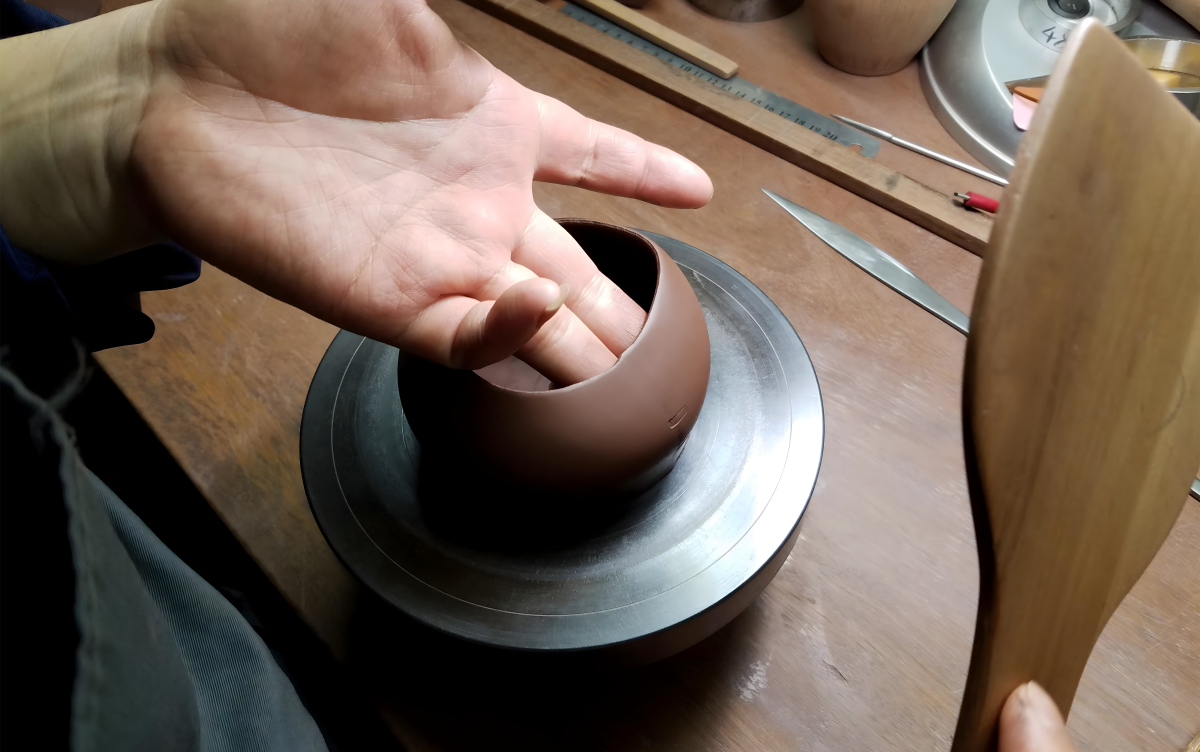
The teapot made of Zisha clay dated back some 500 years to Ming period Zisha clay had already been used to make various vessels, including wine vessels, over 500 years ago. However, it was during the Ming dynasty that Zisha artisans began to independently handcraft teapots using Zisha clay. The town of Dingshan, which is near Yixing city, became the centre of Zisha teapot fabrication. Modern-day Yixing Zisha teapots have grown to become both a practical tool for brewing tea as well as collectible works of art. Over the centuries, Jianshu (建水) Master Artisans have defined the Zisha teapot art as highly collectible objects. Representative Zisha potters are Shi Dabin (時大彬), Chen Mingyuan (陳鳴遠) and Gu Jingzhou (顧景舟), etc. Their works often become the standard by which pots are judged by. Many authentic Zisha pots can be found with the name of the pot maker on the bottom of the pot (and sometimes also the title of the work), in the form of a seal or marking, either from the potter or from the shop (but almost never both at the same time). There are also often markings inside the pot as decoration, or on the underside of the lid. The pride that the potters put into their seals and marks is immense,
Intrinsic Qualities of Genuine Zisha
What are the intrinsic qualities of genuine Zisha that make it “desirable”? Here is a quick synopsis:
Authentic Zisha Characteristics Table
| Feature | Genuine Zisha | Imitation/Fake |
|---|---|---|
| Source | Yixing, Jiangsu, China | Anywhere (often outside China) |
| Colors | Purple, red, yellow, brown (natural) | Artificial, overly bright or flat |
| Texture | Slightly rough, sandy, porous | Smooth, glazed, or plastic-like |
| Scent | Earthy, mineral-rich, no chemical odor | May smell synthetic or chemical |
| Price | Moderate to high | Often suspiciously cheap |
Data Source: Evaluation based on The American Ceramic Society’s “Yixing Teapots: Authentic vs. Imitation” (https://ceramics.org/ceramic-type) and technical documentation from The Pottery Studio, “Identifying Authentic Zisha Teapots” (https://www.potterystudio.com/materials/yixing.html).
Data Source: International Ceramic Artists Network (ICAN), “Spotting Genuine vs. Fake Yixing Zisha Teapots” (https://ceramicartsnetwork.org/daily/article/Identifying-Real-Yixing-Teapots).
Appearance and Texture
Good quality Zisha teapot is beautiful with its own clay. None Zisha teapots looks like painted or glazed. Dim (Brown Head old purple mud) natural as deep purplish-brown, Light segments (cinnabar purple mud) bright red, rice gray (mud section) clausena dusumier yellowish, it should looked slightly rough or sandy in your eyes. And you should be able to observe a lot pores in the surface of it with a magnifier glass. If a Zisha teapot’s surface smooth or slick to feel, even look shine as light reflect on it, it must been coated or glazed. Checklist: things to look for
Pro tip: There can never be two identical real Zisha teapots. On close inspection, you will see the subtle difference in color, surface texture, feel, etc., and you will know it is the handiwork of a lump of clay from one’s hands rather than from a mold.
Weight, Balance, and Sound
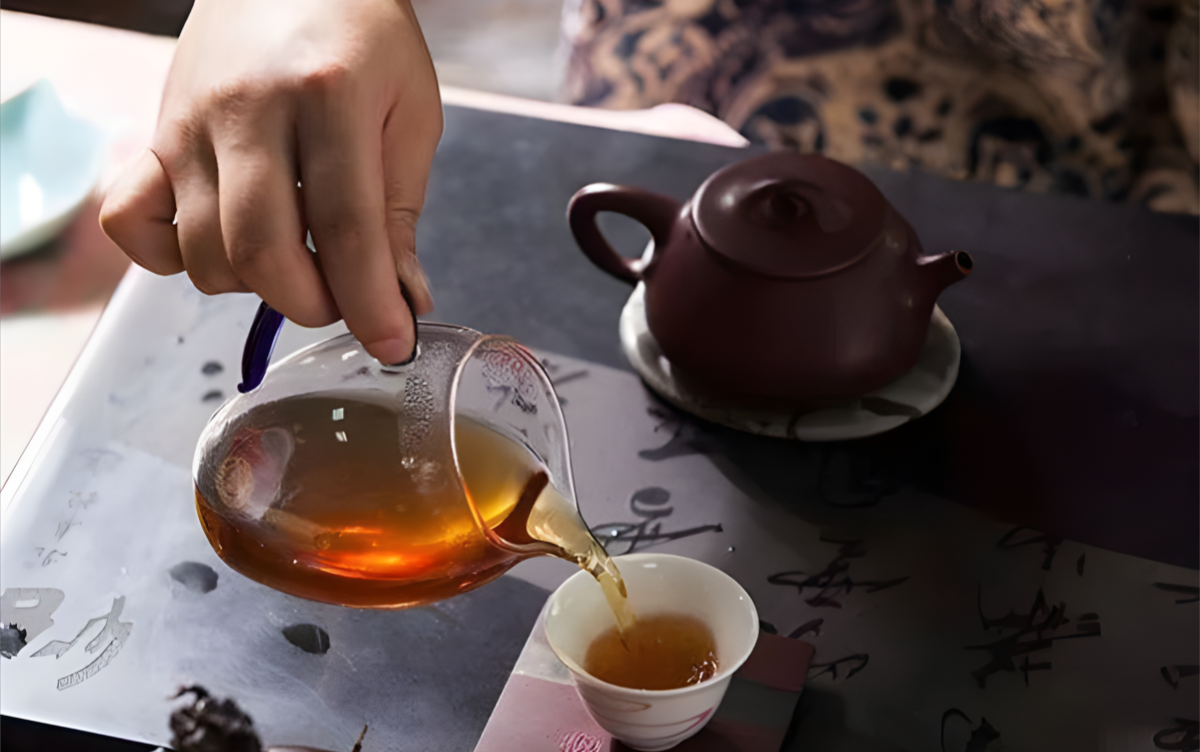
Hold the teapot in your hand and feel it. Real Zisha has a steady and weighty feel, it is not heavy. It feels balance in the hand. The lid of the teapot should fit seamlessly, there should be no wiggle. The spout should have a coherent flow, there should be no water dripping. Ring Test: Lightly tapping on the side of a real Zisha teapot with its lid (or even your fingernail) will elicit a clear, crisp “ring,” similar to what one may hear when listening to a bell. Many fakes will produce dull, or even “flat” sounds if tapped this, which can be the result of different materials or coatings.
Smell and Porosity
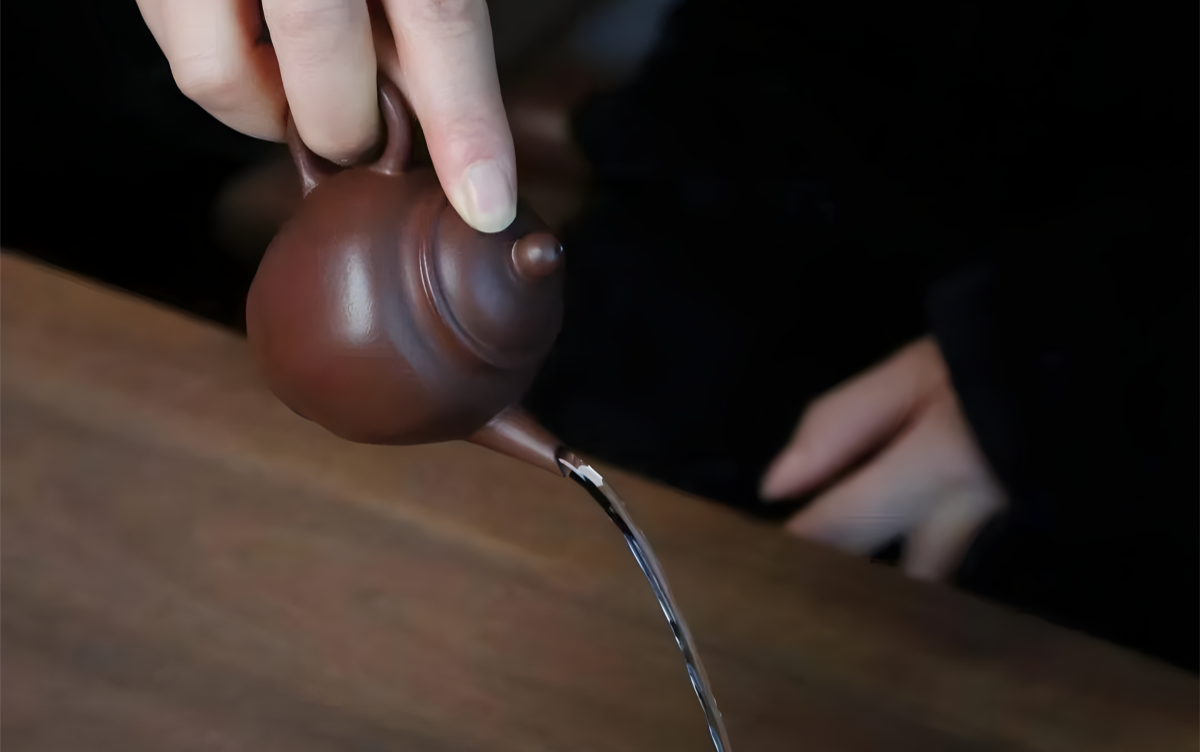
Take a sniff. New, unused Zisha teapots have a mild earthy smell, like sun-dried pottery. If you smell chemicals or plastic, this is a red flag. The porous nature of real Zisha allows the clay to absorb the aroma from tea, enriching the flavor of subsequent brews. Porosity test: pour hot water into the pot, swirl, then pour out. An actual Zisha teapot will soak in a little water, and the surface of teapot will become slightly darker as it soaks in some moisture for a short period of time. Glazed/fake teapots won’t be able to achieve the same effect — they’ll behave as if water was poured on a raincoat. Quick fact: After using hot water to lend tea, it still releases the flavour of tea. After long time of use, the empty teapot can smell tea.
Inside the Teapot: What to Check
Don’t just inspect the outside—the inside of a Zisha teapot holds important clues.
Quick checklist: How to Introspect.
Experts say: “If you see a perfectly smooth, glossy inside, put the pot down and walk away. Zisha’s magic is in its natural, uncoated clay.”
Spotting Fakes and Common Counterfeits
The market of Zisha teapots Is like never before frosting up and bubbling… yet as the demand progressively rises to the peak comes replicas of large amounts. And while many of the fakes today appear as valuable treasures at first glance, there are plenty of signs that may reveal one of the many hocus-pocus artists behind their true value as a phony work looms. But how can you tell what’s real and what’s not? And more importantly, how can you avoid purchasing a blunder?
Common Counterfeit Materials and Tricks
Fake Zisha teapots abound. Some are created with regular clay, or even resin, then painted or glazed to resemble the natural colors of natural Zisha. Others are fabricated using industrial dyes/chemicals to give them that authentic “seasoned” look. Ironic as it is, the best fakes strive to be imperfect—so you’ll have to look further than skin-deep. Approaches of this Rare-Earth-Based Phony:
True Event: A consumer at a tourist market in Shanghai was enticed by a “special deal” offered for a teapot that looked identical to a famous Zisha master’s creation. The pot was uncharacteristically heavy and glossy, and gave off an odd odor. After a few weeks of use, the paint began to peel off, and the pot was covered with cracks: unmistakable signs that the pot was counterfeit. 【Case Study】 A Shanghai tea collector bought two identical teapots at the same time. One was Authentic Yixing Zisha from one of the known Zisha artist/appraiser and the other was a counterfiet made with questionable Yixing soil. After close and simultenous use of a year’s difference, the latter one (Counterfeit) began exposing cracks throughout the entire surface as well as the brew itself began to taste very bitter with a aberant chemical after taste to it. While the first pot (Authentic Zisha) yield more smooth tasting vibrant flavours with no aftertaste.
Tips For Buying Real Zisha Teapots
So, you’re shopping for a Zisha teapot. You’ve seen the befuddlement. The fatigue. The price tags. Being an informed buyer will decrease the odds significantly that you will end up purchasing a fake Zisha teapot. Here are tips on how to spot a fake Zisha teapot from veteran collectors and Yixing experts.
Where to Buy: Trusted Sources and Red Flags
Purchase from Reputable Dealers: Specialty tea merchants, established galleries, and well-known teaware websites that deal specifically in Chinese teapots are generally safe bets. Reliable sellers offer detailed provenance, full biographical information on the artist, and clearly stated return policies. Ask for references or examine customer feedback when possible. Watch for these red flags:
A collector goes to a market in Beijing and purchases a Zisha pot at a fourth of the price one would typically cost. Looking adopting a more detailed eye, the pot was a machine made pot, tinged with chemical smells and was painted shined The seller had no idea what type of clay it was or who made it.
Questions to Ask Sellers and Required Documentation
Questions:
Required Paperwork: Most of the luxury Zisha teapots are accompanied with certificates of authenticity. The paperwork are consisted of:
Artist Stamps: A genuine Zisha teapot will often have a stamped or carved mark on the base, under the lid or beneath the handle that is unique to the artist and his workshop. This can aid in determining provenance.
Price Points: What’s a Reasonable Price Range
Price Guide Chart: Factors affecting price:
| Teapot Type | Typical Price Range (USD) |
|---|---|
| Entry-Level (machine-assisted) | $40–$120 |
| Artisan Handmade (lesser-known) | $120–$400 |
| Master Potter/Collector’s Piece | $400–$3,000+ |
Data Source: Evaluation based on The American Ceramic Society’s “Yixing Teapot Market and Pricing” (https://ceramics.org/ceramic-type) and technical documentation from The Pottery Studio, “Yixing Teapot Value and Pricing” (https://www.potterystudio.com/collecting/yixing-prices.html).
Expert tip: “Don’t focus on the cheapest you can get , or only the most expensive. Look for something from a trusted seller , and enjoy the feel and beauty of the teapot.”
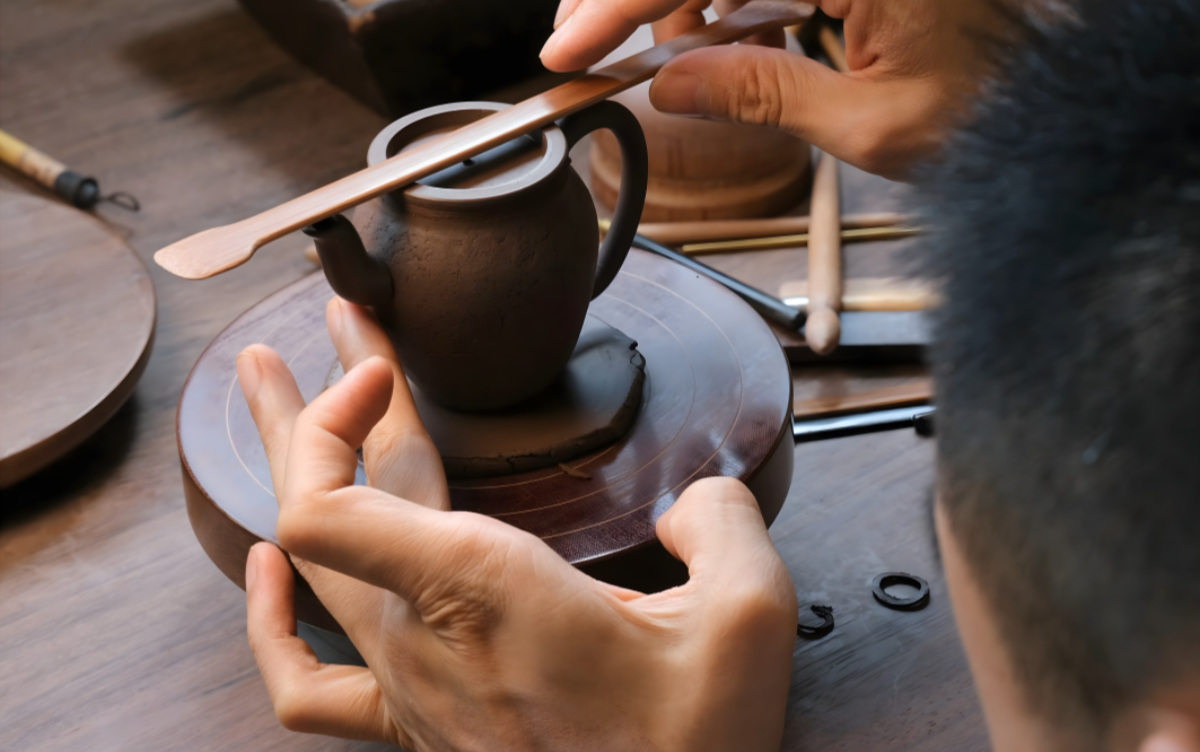
Once you have secured the genuine article, taking care of your Zisha teapot properly is crucial to ensuring that it will last a lifetime – if not a few. True Zisha teapot is characteristically both a durable yet fragile object; the porous nature means that it is care with longevity by way of continued evolution for good tea. With a bit of attention and diligence, keeping your pot in the best condition means that the nature of the pot will be preserved intact.
How to Clean and Season a Real Zisha Teapot
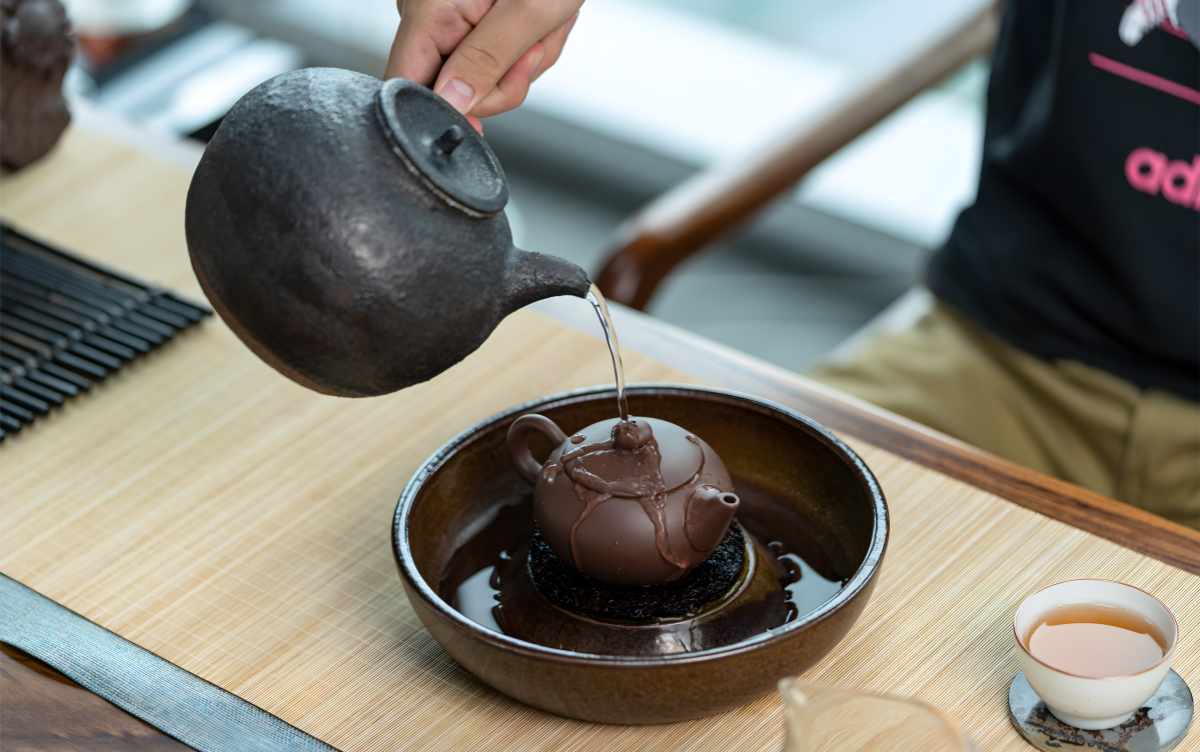
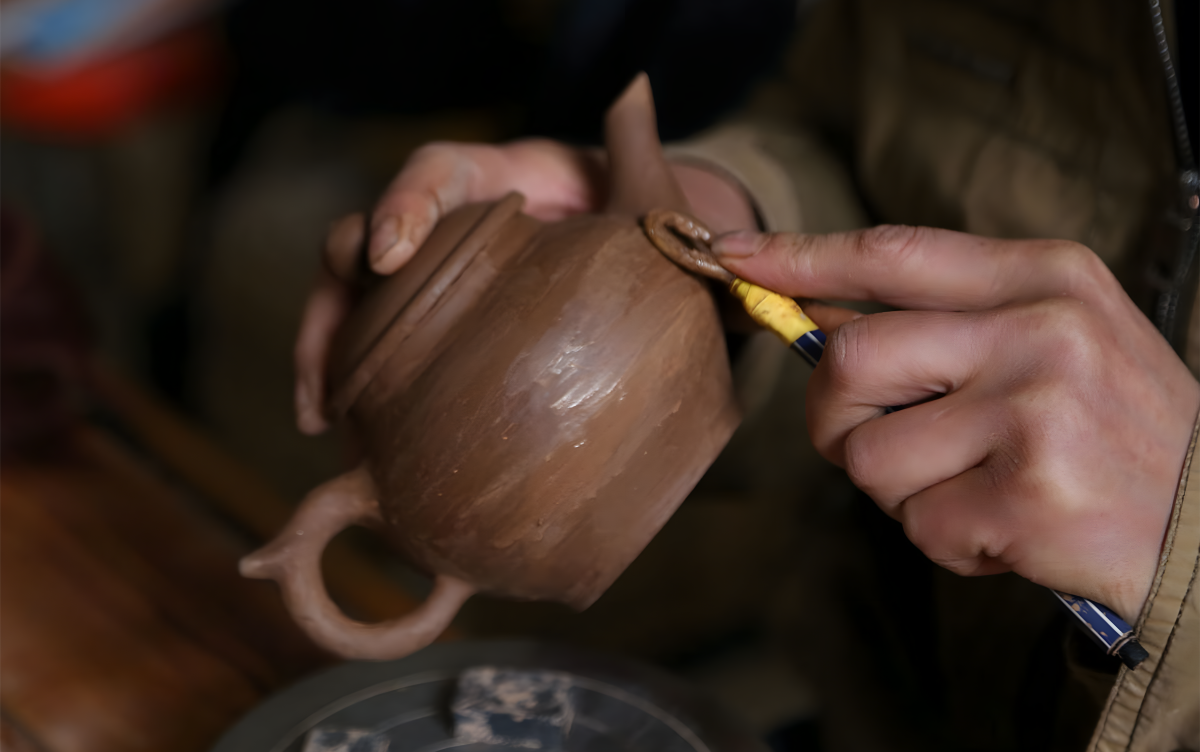
Never use any kind of soap or detergents when you get home a new Zisha teapot. Rinse it thoroughly with warm water. Let’s eliminate all the clay dust and residues of the crafting process: fill the teapot in with boiling water, let it brew for few minutes, pour it out. Repeat 2 to 3 times. Seasoning Your Teapot: There is a longstanding Chinese practice with yixing ware of so-called “seasoning” the pot, where tea lovers will steep a weak batch of tea (whatever they plan to use most often) for an hour or two in boiling water in the pots in order to help the clay take on the aroma of the tea, and also start the process of gathering tea oils that will enrich the flavor of tea brewed in the pot with time. Tip: Genuine Zisha clay teapots should be used with only one type of tea, like pu-erh or oolong. When tea is brewed in the clay pot, the teapot absorbs the flavour of the tea, so if you switch types it can ta…
FAQ: Common Zisha Teapot Questions
Even after reading all of the above, you still may have some niggling doubts about real Zisha teapots. Here are some of the most common questions—and their quick and simple answers—to enable you to buy and care for your teapot with confidence.
Conclusion
Finding and cultivating an authentic Zisha teapot is a worthwhile undertaking to treasure for any tea-lover. Understanding how to identify authentic Zisha–assessing the clay, examining craftsmanship, discerning imposters, making good purchases–you’ll own not only a utilitarian teapot, but a companion capable of deepening your appreciation for tea with every steep. Don’t forget:
To obtain more professional knowledge in purchasing the authentic Zisha teapots and real tea culture, why not surfing up some old, famous tea forums, visiting a specialty store and exploring the global circle of Zisha lovers! Enjoy! In summary: Learning to detect authentic Zisha is crucial for anyone who values flavor, tradition, and longevity. It safeguards your purchase, while making sure every single tea session is always the best it can be. Last but not least, always trust your judgement and your conscience. If the price seems too good to be true, or you feel iffy about it, don’t make that purchase (even if it’s an impulse buy). And if you’re really not sure about your finds, run it by a trusted Yixing teapot dealer or collector and see what they think. There you have it. How to spot a fake Zisha teapot is just as important as spotting a genuine teapot, hope this guide has been helpful for you. By trusting your senses, look closer to recognize the notorious traits of an original Zisha teapot with much confidence in the looks, texture, sound, weight, scent, and the porosity. By following these expert tips—buying from trustworthy sellers, asking the right questions, checking for certificates and seals, and knowing standard price ranges—you’ll set yourself up to succeed in finding an authentic Zisha teapot that you’ll cherish for years to come. Taking care of your authentic zisha clay teapot is fairly simple, yet it does require gentle handling and TLC. Treat your cl teapot reverentially and in return, it will reward you with countless cups of unforgettable liquid bliss.


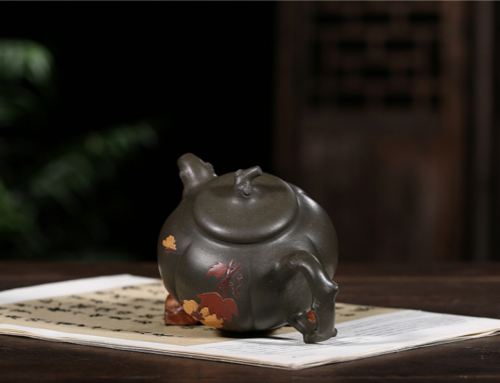
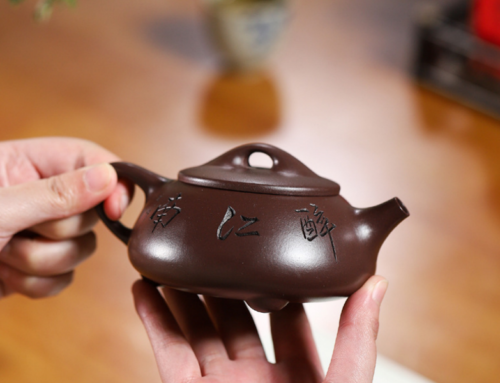




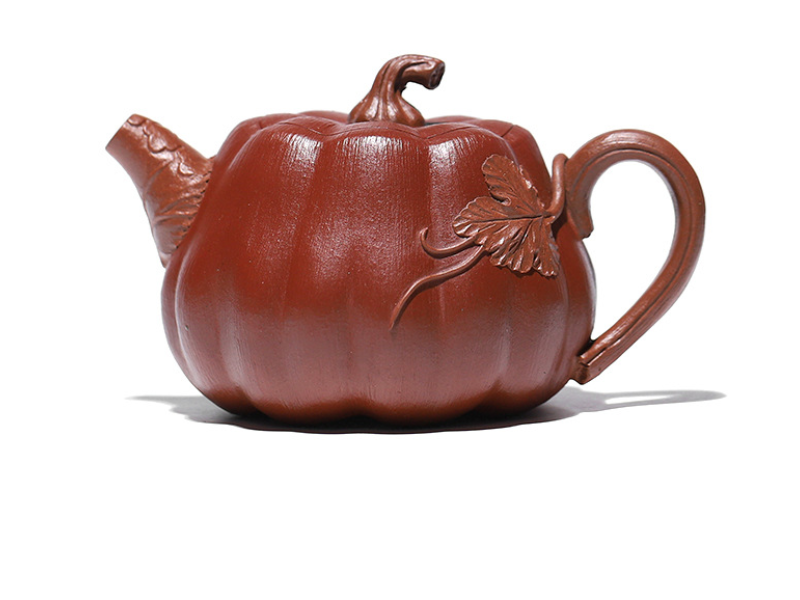
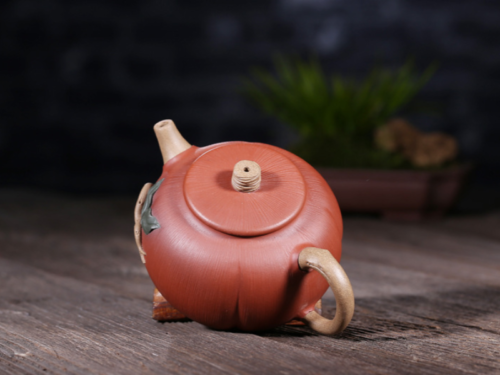 chinese yixing zisha teapot for exclusive collections