Manufacturing Process of the Yixing Zisha Teapot
Introduction
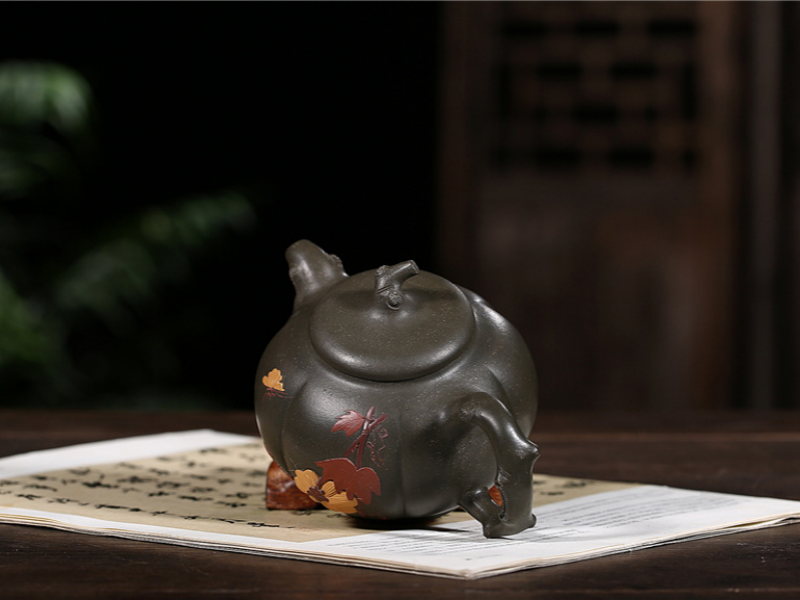
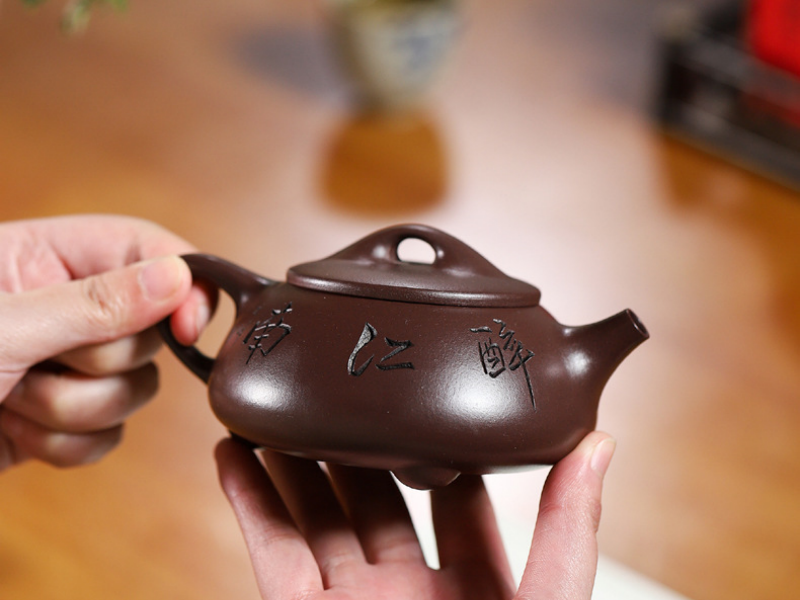
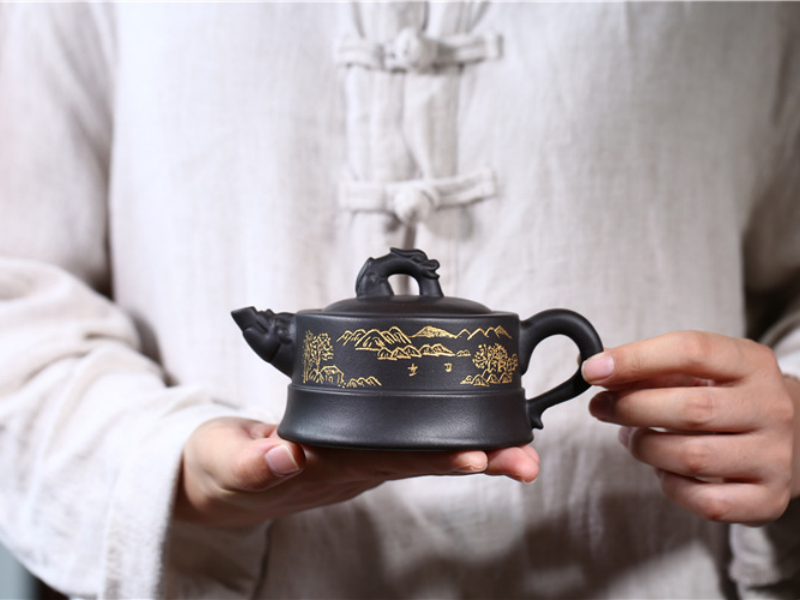
Yixing Zisha teapots are traditional Chinese teaware that have been used for centuries by tea lovers. Originating in the city of Yixing in China’s Jiangsu Province, Yixing Zisha teapots have been treasured for generations due to their unique attributes and superb craftsmanship. They are made from Zisha clay, which is well known for its ability to enhance the taste and aroma of tea. The word zisha means “purple sand,” which describes the clay’s unusual reddish-purple color. The most popular type of Zisha clay is purple clay, but other types of Yixing clay are used, such as red clay (Hongni) and green clay (Luni).
Yixing teapots are known for their unglazed, porous exteriors, which soak up the flavors of the teas they contain and develop a carefully cultivated patina, making them treasured keepsakes of teas and tea times gone by.
What’s Behind the Fascination With Traditional Crafts?
The charm of Yixing Zisha teapots doesn’t just come from their utility, but from the way they are created. Artisan hand crafting ensures there are no two teapots alike. Traditional artists may throw 40 years of life into learning and perfecting their teapots. This makes these teapots are a symbol of China’s heritage and the diligence that underlies its culture.
The continued existence of centuries-old techniques plays an important role in preserving the authenticity and quality of Yixing teapots. Traditional craft is an antidote to mass production and a portal to life in a slower time. Handmade teapots carry the spirit of the maker, and display the effort and imagination of the artisan, and by choosing a traditionally made Yixing teapot, tea lovers have the chance to not only deepen their appreciation of tea but help sustain a craft that has endured through the centuries.
How Yixing Zisha teapot is made is as captivating as the teapot itself. From obtaining the clay, shaping and firing the teapot, to polishing and finishing the product, each step of the process is a testament to an artisan’s devotion and technical prowess to crafting a zisha teapot. Let’s take a look at how a Yixing teapot is traditionally made and why they are still considered a centerpiece of Chinese tea culture today.
The Unique Clay: Zisha Material
What is Zisha Clay?
The secret to Zisha’s incredible properties lies in the unique clay composition used for Yixing teapots, which is only found in hills near the city of Yixing. This rare clay is made from yellow-red sedimentary rock. One of the most unique features of Yixing clay is that it has a very high porosity. It retains heat while enhancing the taste and aroma of tea. Because of these air pockets, Zisha clay has some heat retaining properties and a certain level of insulation. It retains most of the natural flavor of tea due to its porous nature. A Yixing teapot retains heat and allows the content to be warm, as well as tasting fresh and strong, which helps improve the quality of brewed tea. Teapot stays at a steady temperature and keeps most of the natural flavor of tea.

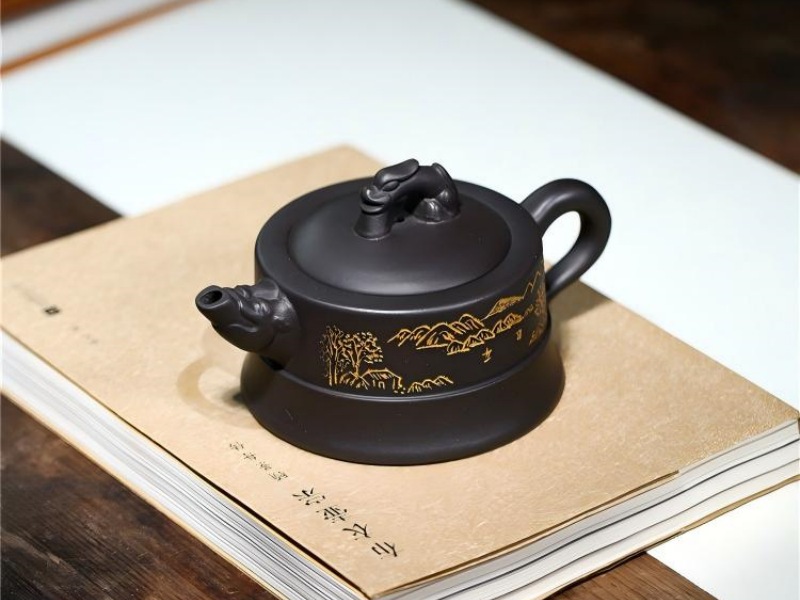

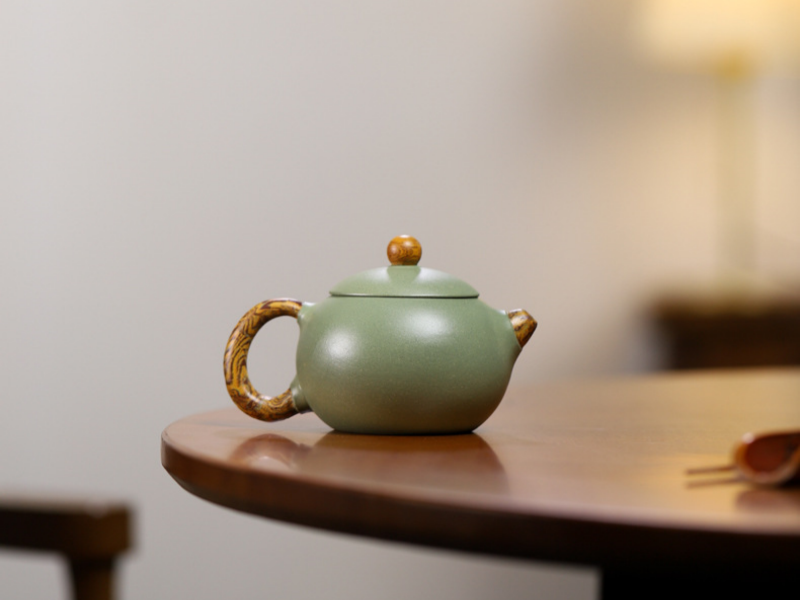

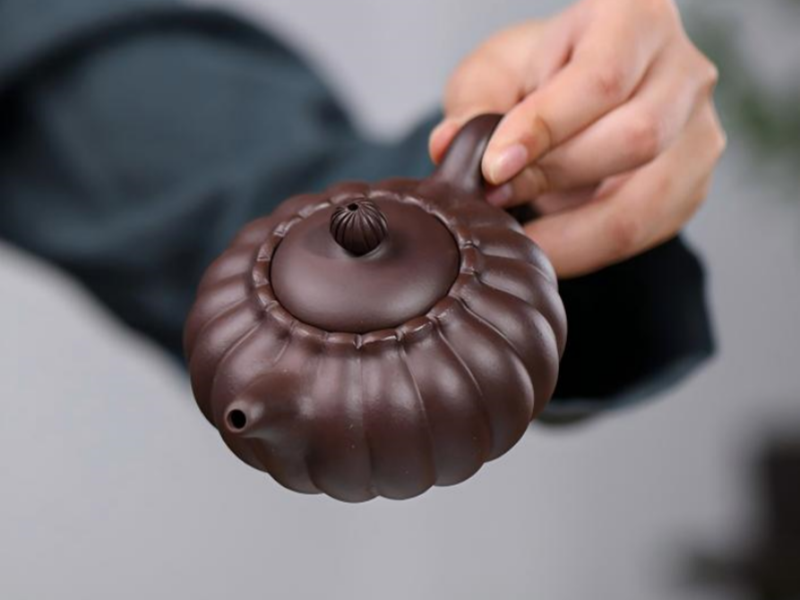
Find “Patina” after long times of use
Unlike glazed ceramics, Zisha teapots do not have a glaze coating. The surface of the teapot absorbs the flavor, smell, and color of the tea that is brewed over time. After a period of time, the teapot will take on the aroma of the tea, even when empty. The natural properties of the clay allows the teapot to both retain heat and also to be slightly porous simultaneously. When we take long time to maintain this teapots, a coat called will be formed on surface and inner of teapot. “Patina” will become more rich and shining, it may contribute to better brewing or higher esthetic value. Such patina will be very special for each teapot and depends on the habit of individual user, because of his/her brew method including tea variety, water property.
Types of Zisha Clay
There are three main types of Zisha Clay:
Where does zisha clay come from?
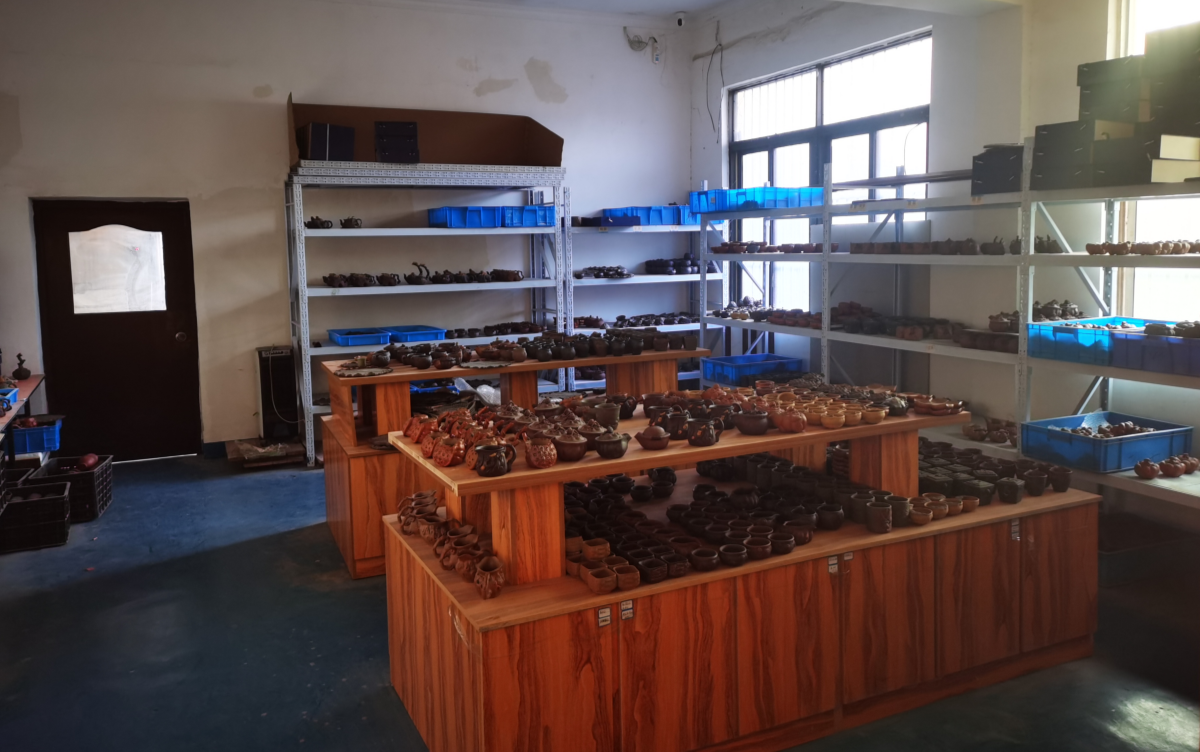
The method of collecting Zisha clay is as old as the teapots themselves. The artist will mine the clay from the mountains in Yixing city. Sometimes from the same mine as their ancestors. The method of mining the clay is to dig solid chunks of the clay out then allow it to be processed and refined into usable clay with minimal impurities.
However, the Zisha clay is of finite quantity and not renewable and there had been major environmental degradation and destruction in obtaining and mining the clay. Difficulties in resolving excessive mining and quick extraction of the clay for short term gain had also occur, including tension politically among those who try to preserve and regulate mining of the clay versus those who wish to quickly monetarily benefit on the mining and commercial prospects of the clay. There have been advocacies and push for responsible sourcing of the Zisha clay sustainably and ethically to ensure there is availability of the Zisha clay for many many decades and centuries for our future generations, that we source the clay responsibly so there is ample time for the Zisha clay to form and transform into the useable clay. Additionally, there have been efforts to coordination among different different stakeholders especially the Zisha.
Traditional Curation Procedure
Preparing the clay
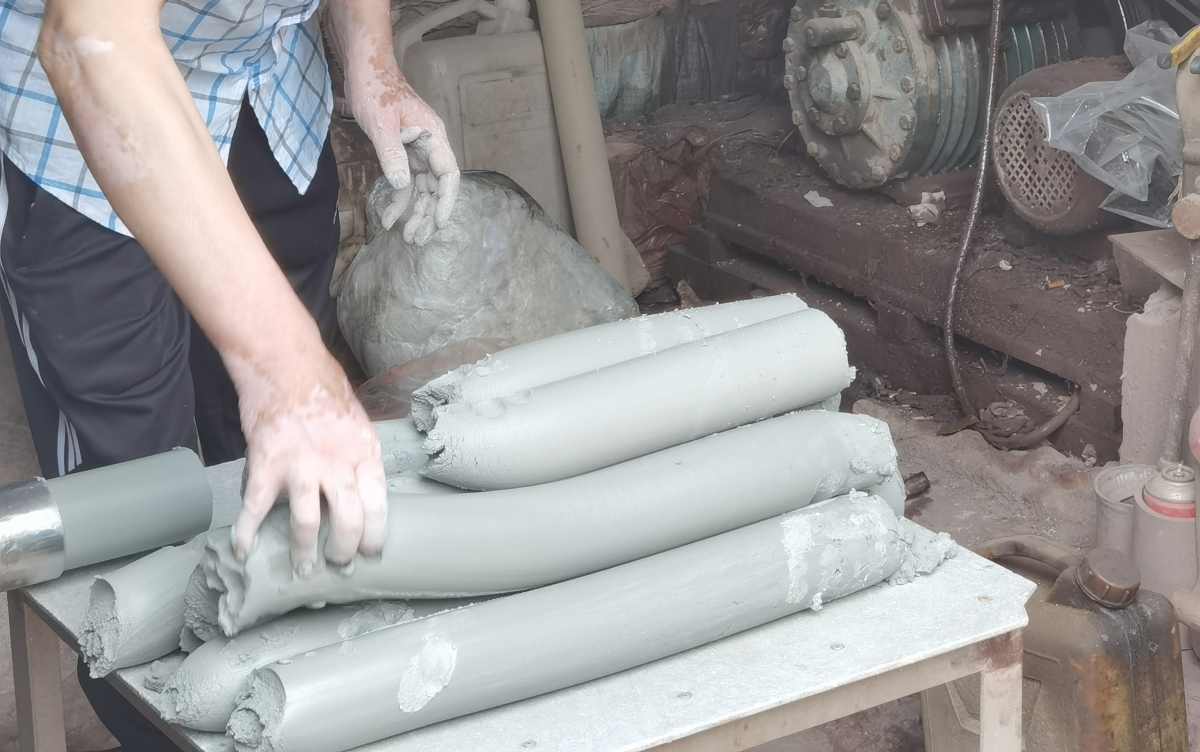
The first step in making Yixing Zisha teapots is preparing the clay. This involves refining the raw Zisha clay to achieve the desired consistency and workability for shaping. The artisans first wash the raw Zisha clay to remove any impurities, such as stones, sand, or organic matter. They then crush the raw clay into fine particles and blend it with water. The refined clay is then kneaded into a smooth and pliable paste.
In order to make the clay consistent, the clay gets kneaded repeatedly, like dough, until it is at a base elasticity. This refining step is important because the quality of the clay will determine the resilience and texture of the finished product. Artisans rely on their own instincts to decide when the clay is ready, rather than machines or measurements.
Forming the Teapot
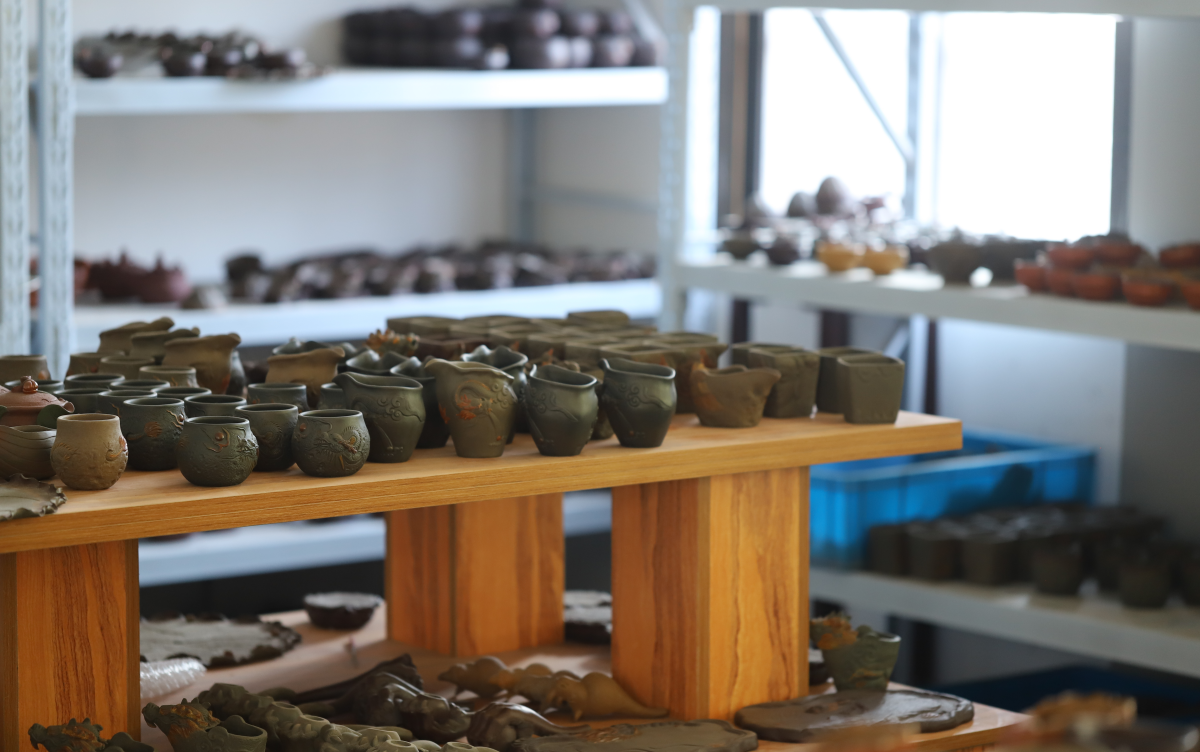
With the clay prepared, the artisan sets to work on the intricate task of forming the teapot. Traditional methods often involve hand-building, where the teapot is shaped entirely by hand without the use of molds. This allows for greater creativity and uniqueness in each piece.
The formation of the vessel generally begins with the main body of the teapot. The body is made either by being shaped into a sphere or cylinder or some other specific shape. The artisan then uses wooden paddles, metal scrapers and carving knives to shape the body and incise fine detail. The spout, handle and lid are crafted and finished separately and fixed on to the main body.
Yixing craftsman always show great concern for the balance and proportion, besides functional form, a good teapot should also has a pleasing or aesthetic form. A lid should fit tightly with the body of teapot so that there’s no tea coming out when the tea is pouring out; the body of teapot has to balance with the handle as well as the sprout; the proportion is very important.
Firing Process
The firing process hardens the clay and gives the teapot its final color and texture. Traditional firing involves placing the teapots in a kiln and heating them to 1,100–1,200 °C (2,012–2,192 °F). The firing process takes several hours, during which the clay transforms into a long-lasting porous form.
The craftsperson has to closely observe the firing temperature and time as these can affect the quality of the teapot. For instance, if he/she fires it at a higher temperature, it will increase the strength of the teapot; or if he/she fires it at a variable temperature, it will bring about variation in the colour of the clay. Some potters would use wood-fired kiln which add a slight hint of smokiness on the surface of the teapot, which in turn increase the attractiveness of the teapot.
Final polishing and inspection
The final element of craftsmanship is to polish and inspect the teapot. After the firing is complete, the teapot is carefully polished to improve its texture and appearance. This is usually done by hand with fine sandpaper, cloth or even natural materials such as bamboo.
During the inspection process, the artisan looks for deficiencies, such as cracks, uneven surfaces, or poorly affixed parts. Only those teapots that achieve the required standard are considered to be finished and ready for use. This quality control ensures that each Yixing Zisha teapot represents the craftsmanship and usability that has made the teapots so sought after.
Benefits of Yixing Zisha Teapots
What makes Yixing teapots the best teapots for brewing tea?
Yixing Zisha teapots are well known for enhancing the taste and aroma of the tea as, one of the biggest assets that a Yixing teapot has, is its ability to remember. Yixing teapots will absorb the flavor and the scent of the tea leaves. Over time, there will be a layer of “tea film” inside the teapot which makes each brewing fuller in flavour and aroma.
Moreover, the superior heat retention property of Zisha clay pots allow them to remain hot for a long period of time. This proves very helpful in preparing types of tea like Oolong and Pu-erh that require or are benefiting from sustained heat during the brewing process. Lastly, the lack of glazing of Zisha pots means that there is less of a chemical reaction with the leaves within allowing for the preservation of flavor.
Another advantage is that Yixing teapots come in various shapes and sizes, allowing tea lovers to choose a shape that works well for their brewing style. Whether you want to brew one cup or host a tea ceremony, there is a teapot for every occasion.
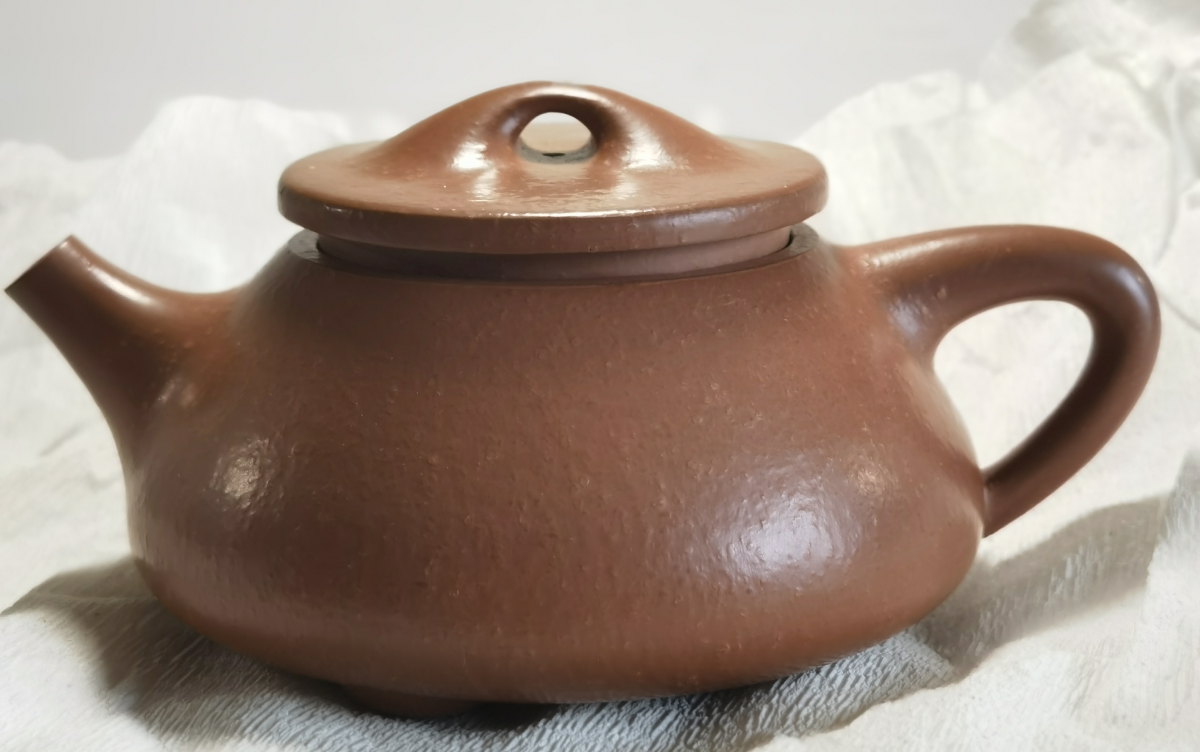
How the zisha teapot changes with time?
Whats really cool about Yixing teapots is they get better with use over time! The porus clay absorbs the oil and minerals from the tea creating a patina. Not only does this add to the teapot’s aesthetics, it also benefits the brewing process as a seasoned pot will impart flavors of past brews producing a unique and subtle flavor in the new brew.
Old Yixing teapots can become very desirable collectors’ items as well as practical tea pots for tea lovers since they have already acquired their own patina and personality, and are objects in their own right that actively participated in, and were a part of, daily life long ago. The more a teapot is used, the more it absorbs tea, and in turn the more valuable it becomes.
Some hobbyist would only use one teapot and one kind of tea, one teapot for oolong, one teapot for pu-erh, etc. So that the patina can buildup with the tea more, further enhancing the brewing experience.
How to take care of Yixing teapot?
How to preserve and care for new teapot?
Pot seasoning removes the raw taste of tea brewed in your unseasoned teapot.To clean the teapot and remove impurities from the craftsmanship and firing of the pot. Seasoning will bring out your teapot’s unique characteristics which will improve over time as more tea is brewed. To grow it’s character, the more you use your pot, the more it will bloom. To create a layer of seasoning inside the pot which will reduce the.
By following these steps, you’ll have a clean, primed teapot that’s ready to elevate your tea-drinking experience.
How to Clean and Maintain Yixing Teapots
Proper maintenance is essential to retain the beauty and practical value of your Yixing teapot. Unlike regular teaware, they’re not scrubbed with soap and water. Traditional potters shape teapots to give your tea that judge-winning flavour. Some of this is achieved by their porous surfaces that help to develop patina. Here are some tips on how to clean and store your teapot:
By following these tips, you can ensure that your Yixing teapot remains in good condition and continue to enjoy your tea-drinking experience for years to come.
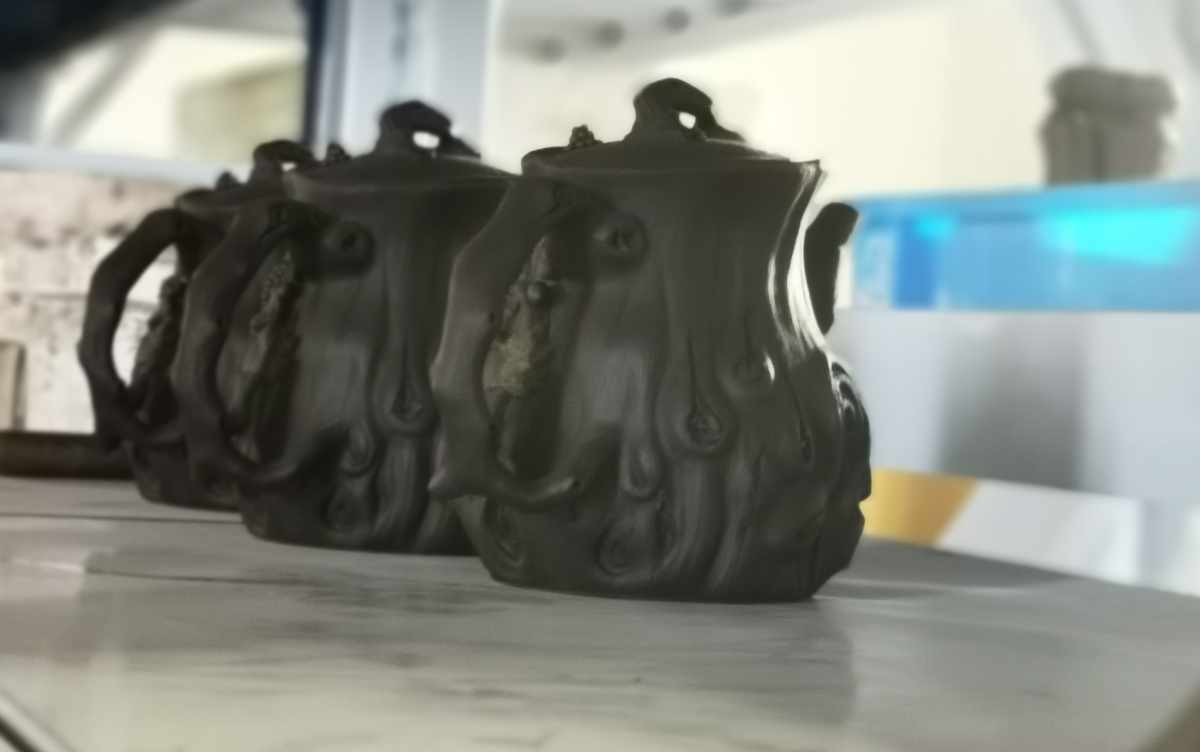
Yixing Clay and the History of Zisha Teapots
Yixing clay teapots come from Yixing, a city on eastern China’s Yangtze River Delta. Yixing has been a site of high-fired, unglazed stoneware production since the 2nd millennium BCE, but it was during the Ming dynasty that materials like Yixing clay began to be used to make teapots. Zisha clay from Yixing is uniquely suited to making teapots due to its relatively high iron content, porous nature, and ability to withstand rapid changes in temperature.
Why Do People Use a Zisha Tea Pot?
One of the reasons for their growing popularity is that they are durable enough to be used over a candle heated stove, and certain pots can be placed directly.
Conclusion
Why choose a Yixing Zisha teapot over other teapot
Choosing a Yixing teapot is not just a choice for teaware; it’s a commitment to a tradition that brings you closer to the soul of tea culture. Whether you’re a seasoned tea lover or just beginning your journey into the world of fine teas, a Yixing teapot can enrich your experience, taking it to another level of artistry and appreciation.
To sum up this blog, preserving the traditional craftsmanship. Supporting the making of Yixing Zisha teapots is more than just possessing a stunning piece of teaware. Supporting the traditional craftsmanship also means supporting the people who rely on making Yixing Zisha teapots for a living and supporting the survival of traditional craftsmanship. In the modern day where things are mass-produced, handmade products such as Yixing Zisha teapots can remind us of the value of authenticity.
When you pick an old-school Yixing tea pot, you are sharing a tradition that continues the legacy of the value of tea drinking and the craft behind it. May we all continue to appreciate and support this timeless tradition, and let the value of Yixing Zisha teapot live on for generations after generations.
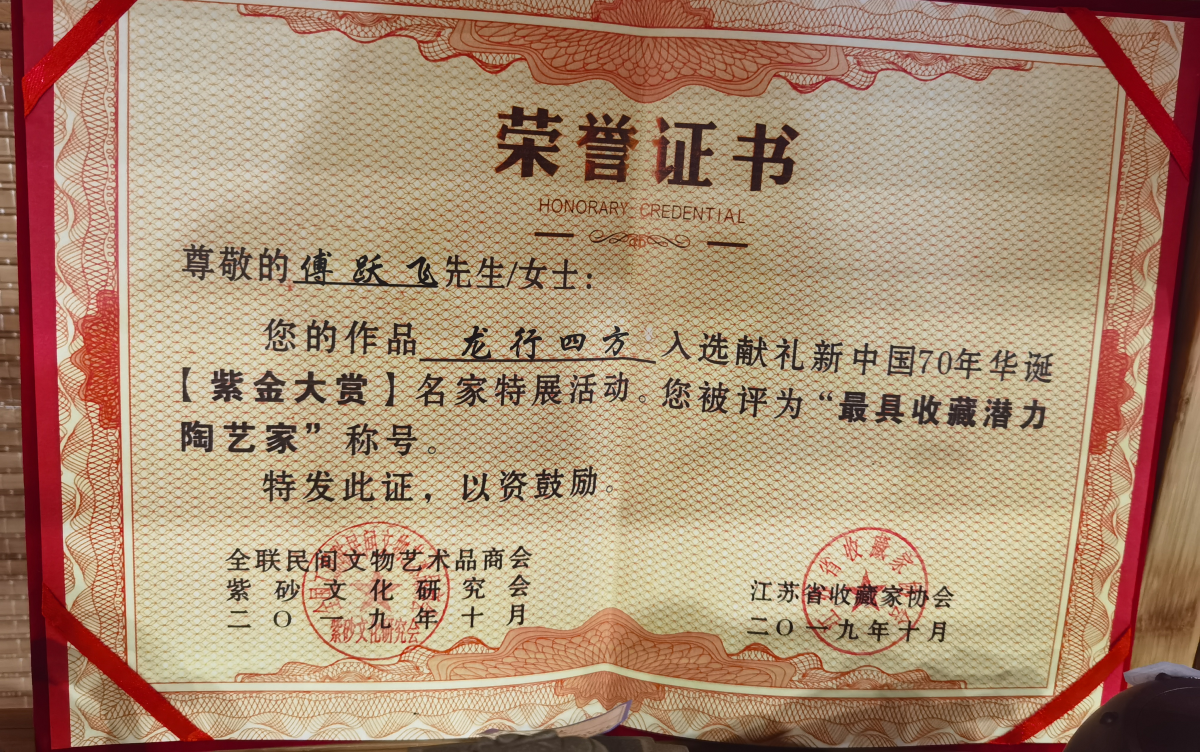

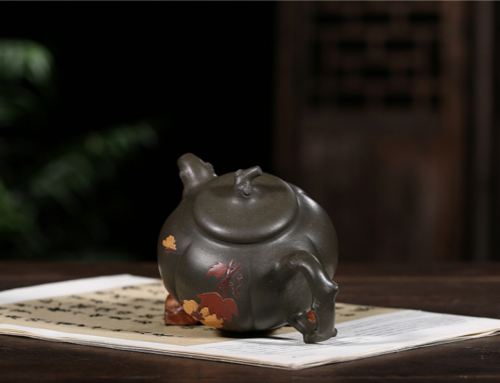
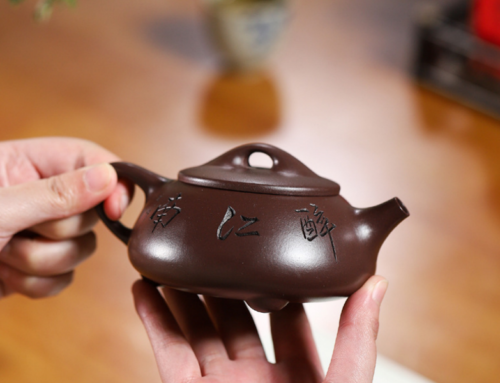




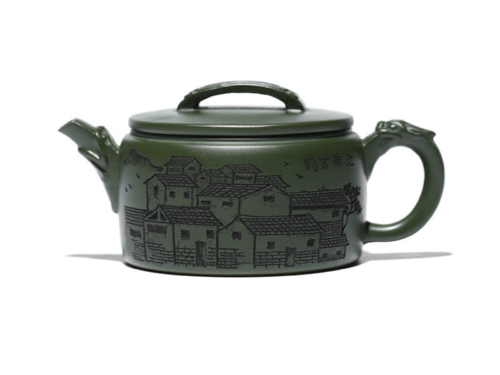 Phoenix Egg - Artisan Duanni Clay for Phoenix Oolong Tea | Yserene
 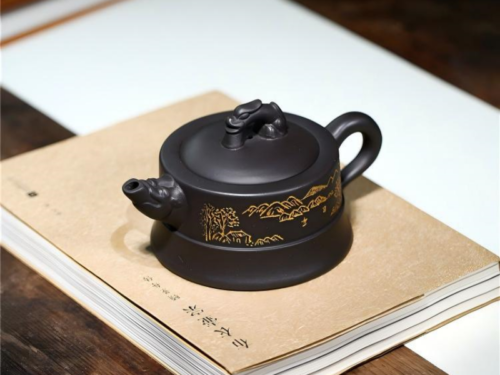 Mountain Spring - Premium Zhuni Clay for Wuyi Oolong | Yserene