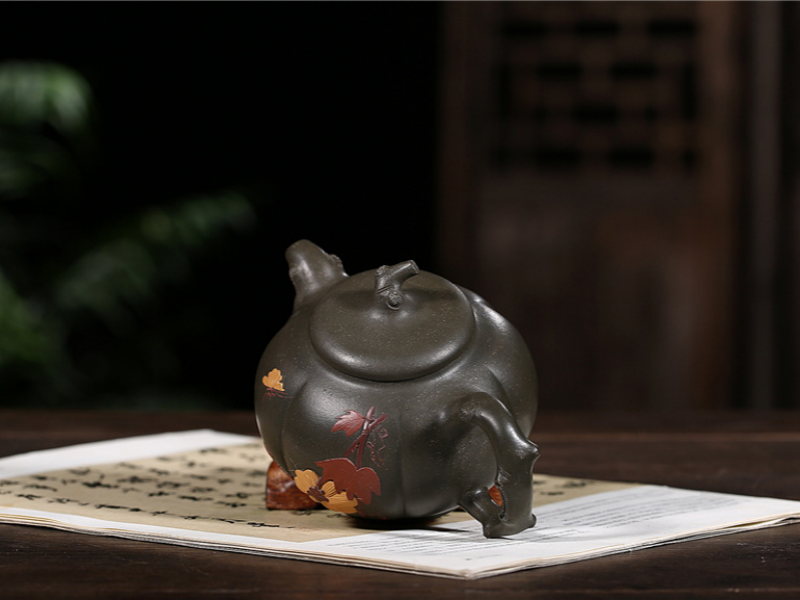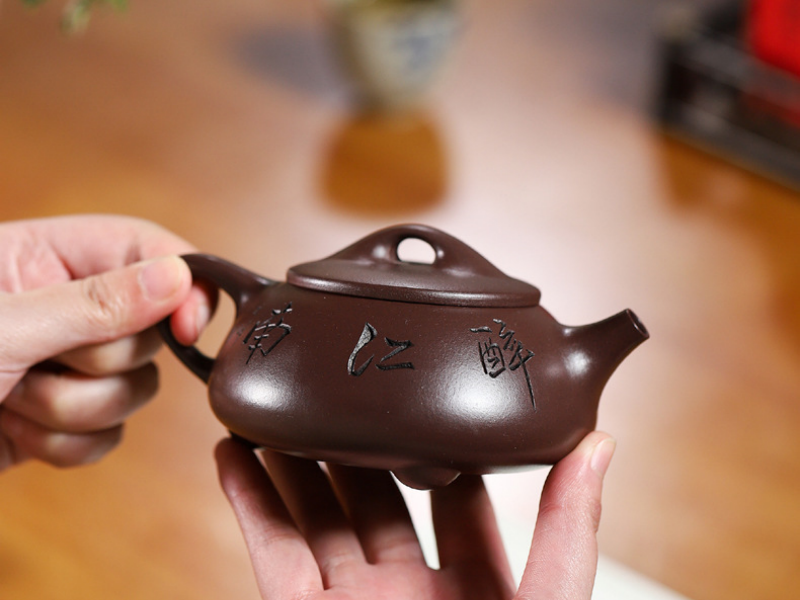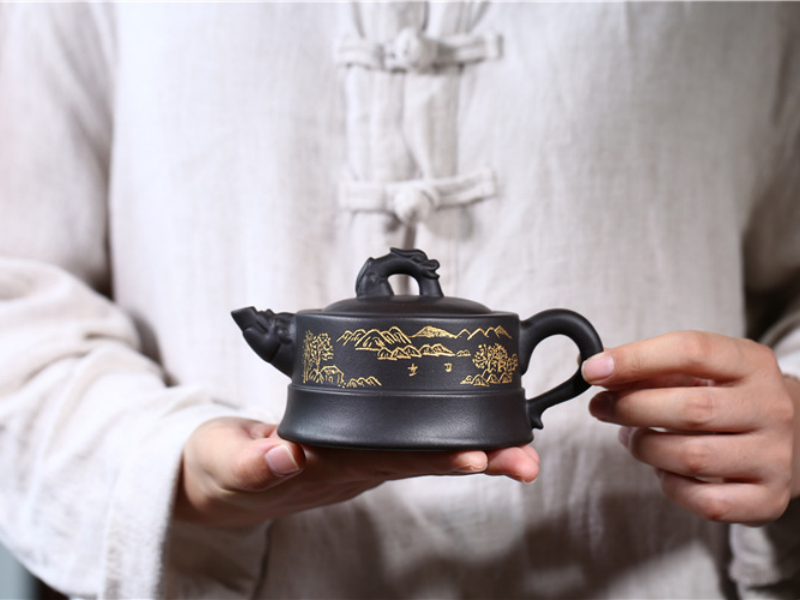
How to Tell If a Yixing Zisha Teapot Is Real | A Buyer’s Guide
Introduction
Yixing Zisha teapots are much sought-after gems amongst many tea lovers. With unique material characteristics in clay quality and craftsmanship, and enhancing tea’s taste and fragrance, they are as good for collection as they are useful for the tea brewing art. Nonetheless, in parallel with the ever-increasing popularity of Yixing Zisha teapots, pottery imitation has become uncontrollable in its scale, thus causing much greater challenges to identify Yixing Zisha teapots. This guide covers everything for you on how to properly identify authentic Yixing Zisha teapots, avoid fakes and make the right purchase decision.
But why genuine Zisha Teapot is so important? The genuine Yixing Yisha teapots are made of special handmade clay material potteries from Yixing, Jiangsu Province. Its dense factory corps of the stoneware clays used in its production, incorporate pigments, minerals, and a very high content of iron Yixing clay is very porous and allows the teapot to absorb the traces of tea with each brewing. After continued usage, the clay will begin to develop a seasoning from the accumulated tea. Genuine teapots appreciates in value over times. The genuine clay would absorb the taste of tea, hence you could have your own taste of tea. You can use it for your whole life as long as it is not broken. You can pass it to your younger generation. What’s more, the fake ones are mostly made of low quality materials which are nowhere near the level of color and shine.
In this guide, we’ll take a look at the history of Zisha clay, what makes a teapot made from Zisha authentic, how to determine if a teapot is fake, and what buyers can do. By the time you’ve finished reading, you’ll have all the information you need to steer your way through the marketplace and buy a teapot that’s worth your tea.
Understanding Zisha Clay
To understand Yixing Zisha teapots you must understand Zisha clay, the raw material for making Yixing Zisha teapots. Because of its porous nature, Zisha clay teapots absorb a tiny amount of tea, which creates a seasoning, a natural patina that the teapot retains. To this day, Yixing Zisha teapots are widely known as the best tool for drinking tea.
Types of Zisha Clay
There are three main types of Zisha clay. They each have different visual and tactile characteristics.
Why Is Zisha Clay So Special?
What makes Zisha clay so special? Its micro-structure is made up of micro-particles that create an internal structurethat allows air to circulate through the material. This means that tea can hold onto its natural aroma while staying warm. On top of this, Zisha clay teapots are also resistant to cracking under high temperatures, and are very durable. An unglazed Zisha teapot would be able to absorb some of the tea essence, creating a different tea experience with each brew, unlike other glazed teapots that would offer the same through its smooth, glazed surface.


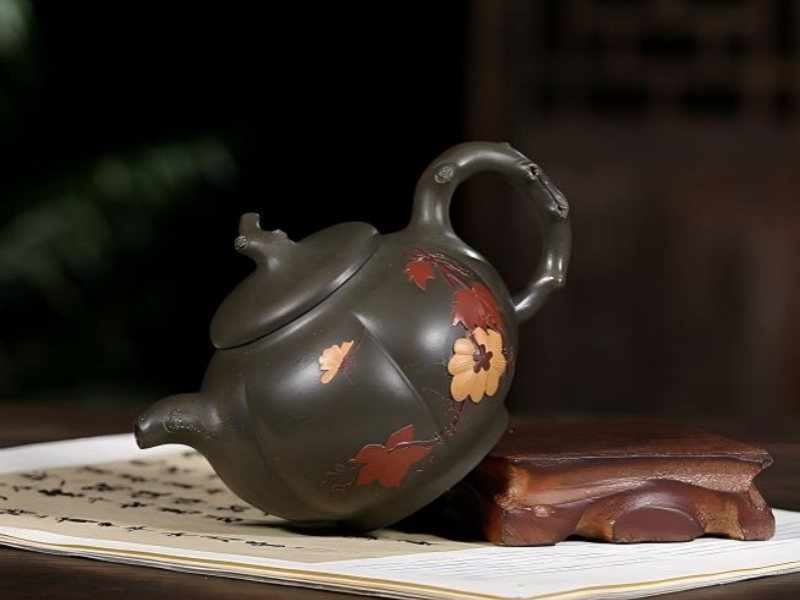

Benefits of Yixing Zisha Clay when Brewing Tea
Understanding the material that Yixing Zisha teapots are made out of is an important part of telling apart a genuine teapot. As a genuine Yixing teapot will possess unique characteristics only found with zisha clay materials therefore clay material is an important element to observe in assessing the teapot.
Principal Features of Real Yixing Zisha Teapots
An authentic Yixing Zisha teapot can be identified by unique features that indicate the craftsmanship and the quality of the material. These features have been distinctive of genuine teapots.
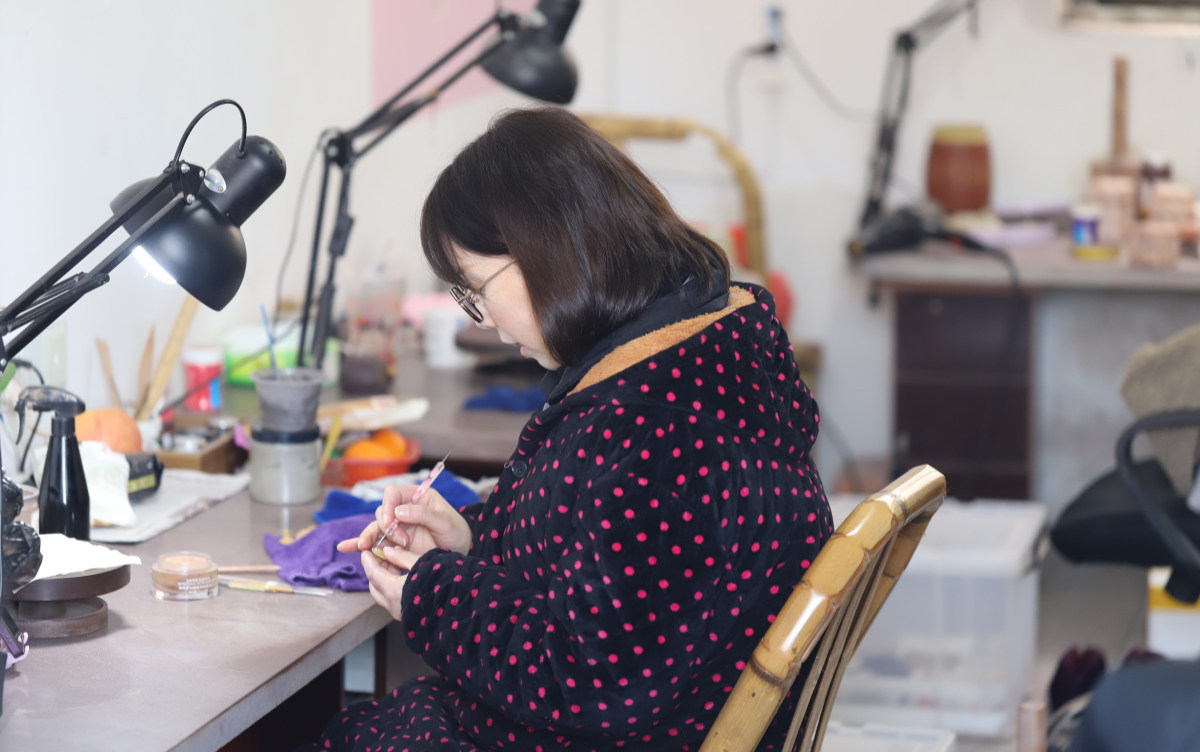
Crafted by Hand
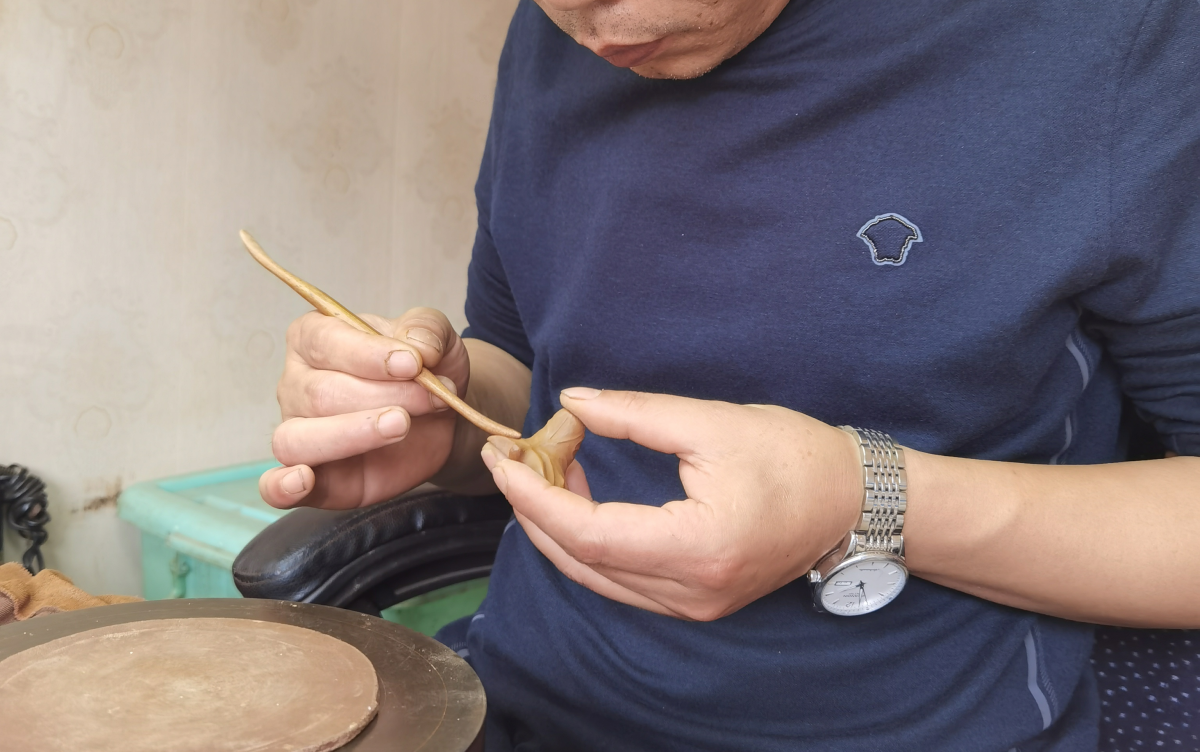
The authentic Yixing teapot is always made by hands of Yixing craftsmen, who have to study for years to grasp the techniques. Make sure the teapot which you are planning to buy is not a machine-made one. The handmade Yixing teapots always have minor imperfections, such as every artisan has his or her unique style, the edge is not completely in symmetry or the texture of surface is not that even. Thus, the handmade teapots do not look like the same.
Using Real Zisha Clay
The clay used to make real yixing teapots is mined from the Yixing region. Zisha clay has unique mineral properties, and a teapot made from real Zisha clay has a rougher texture when it is not glazed, and feels less refined and “earthy”. Counterfeit teapots may be made from synthetic or mixed materials that do not have the porous, rough texture of Zisha clay.
Physical Traits to Look For
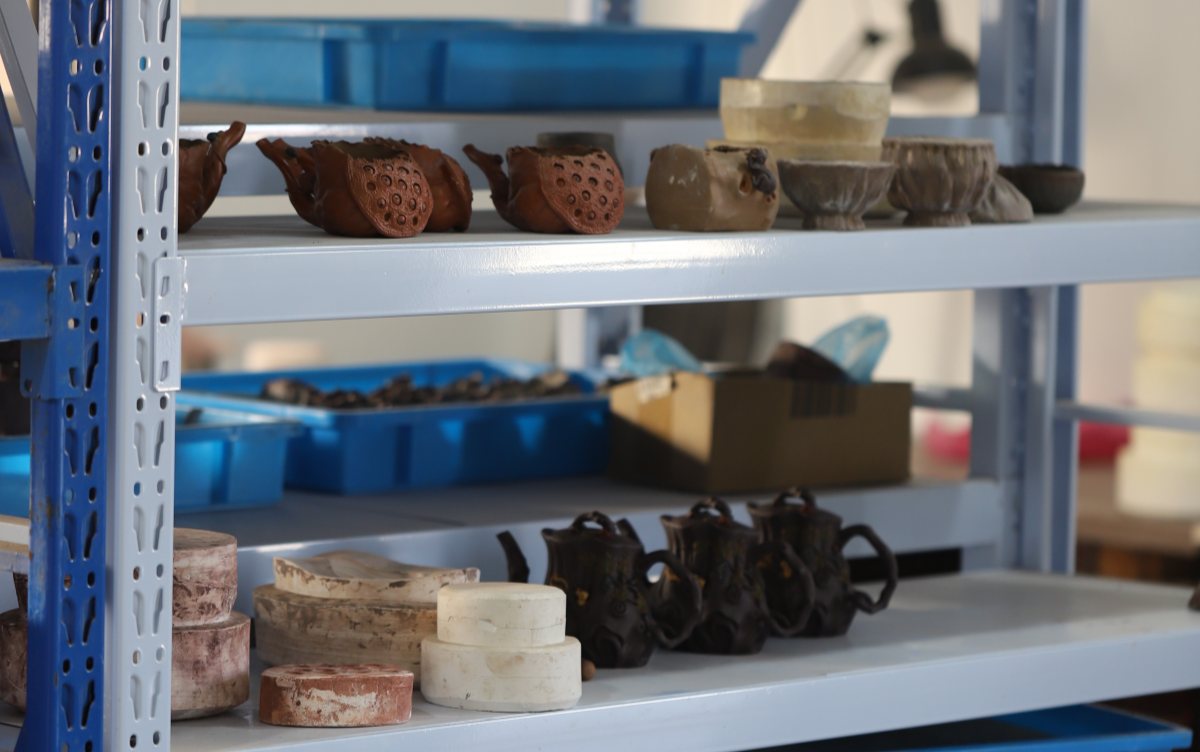
Sound Test
Another way to authenticate it is to hear the sound they make. By lightly tapping the teapot with either the lid or a small object, you will be able to hear if it fake or not. Authentic Zisha clay makes a very clear, crisp sound while fake teapot sound a bit more dull or more metallic as fake teapots are commonly mixed with other material.
Case study: traits for authenticity. A collector of Yixing Zisha teapots once bought a teapot from a reliable dealer. The teapot, in a slightly imperfect shape, had the lid fitting properly and yielded a ring of crisp sound when it was tapped. He then continued to season the teapot with tea, validated by its tea absorption properties that the clay was indeed genuine zisha. Using this experience, the collector claimed the above traits to be the basis in authenticating Yixing Zisha teapot.
Knowing these traits will help you confirm if something’s real or not. By understanding what specifically to look for, you’ll be able to know if a teapot is real and not get duped with a fake product.
How to Spot Counterfeit Yixing Teapots
With the enormous popularity of Yixing Zisha teapots (aka purple sand teapots), the market has become saturated with fake ones. Spotting these imitations yourself require a discerning eye and close observation. Counterfeits often use materials of a low grade and mass-production techniques, without the attention to detail characteristic of authentic Zisha teapots. Here’s how you can spot a fake…
Common Materials and Techniques Used in Fake Teapots
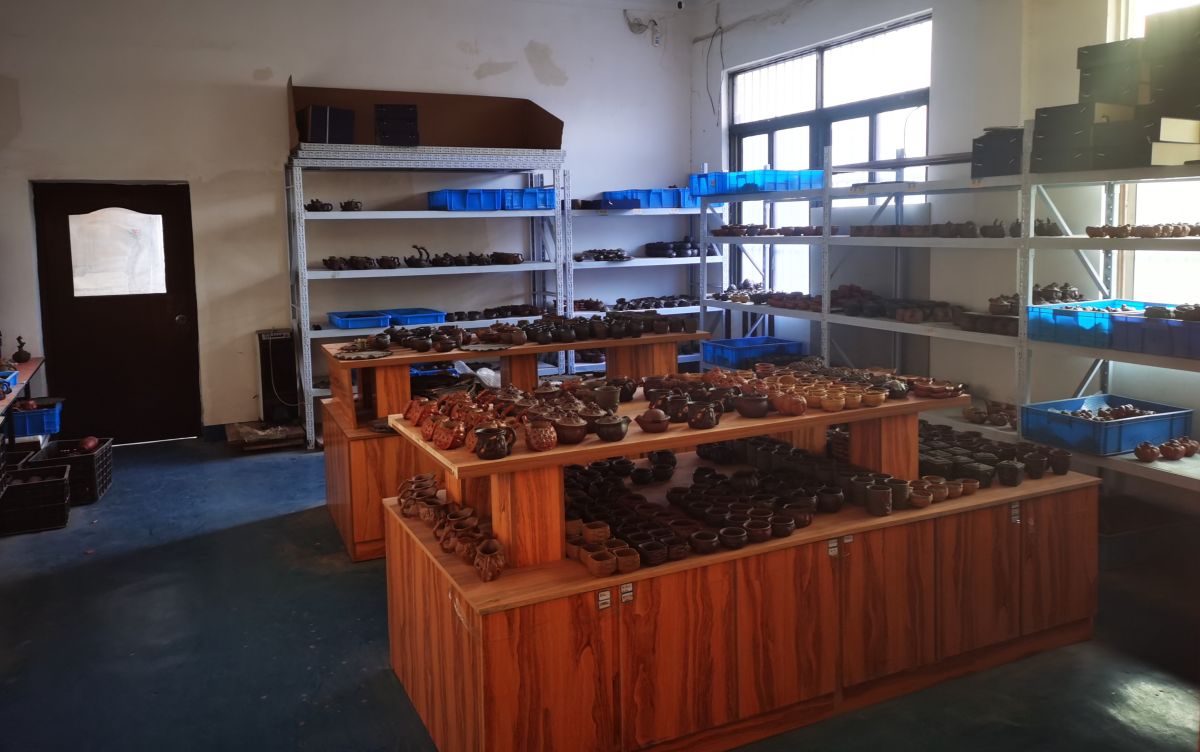
Warning Signs
Case study – A Buyer’s Encounter with Fake Yixing: For instance, a buyer had bought a teapot online which seemed legit enough. However, when it arrived, the teapot had a glossy shine and smelled of chemicals. After performing any couple of tests, he concluded the teapot couldn’t actually absorb water, meaning the teapot was fake. Hopefully, these tests will help you avoid a bad shopping experience when buying your very own Yixing Zisha teapot.
By being aware of these red flags and performing these simple tests, you can avoid buying counterfeit teapots and ensure that you are purchasing the real deal. Remember, genuine Zisha teapots are an investment, and it’s worth taking the time to verify their authenticity.
Buyer’s Guide
Buying a Yixing Zisha teapot isn’t a walk in the park as there’s a myriad of options out there on the internet, from authentic Made-in-China Zisha pots to the poorly-crafted counterfeits. Armed with some solid knowledge or practical tips will help you make better purchase decisions and buy a teapot that will serve you for years to come.
Visual Check
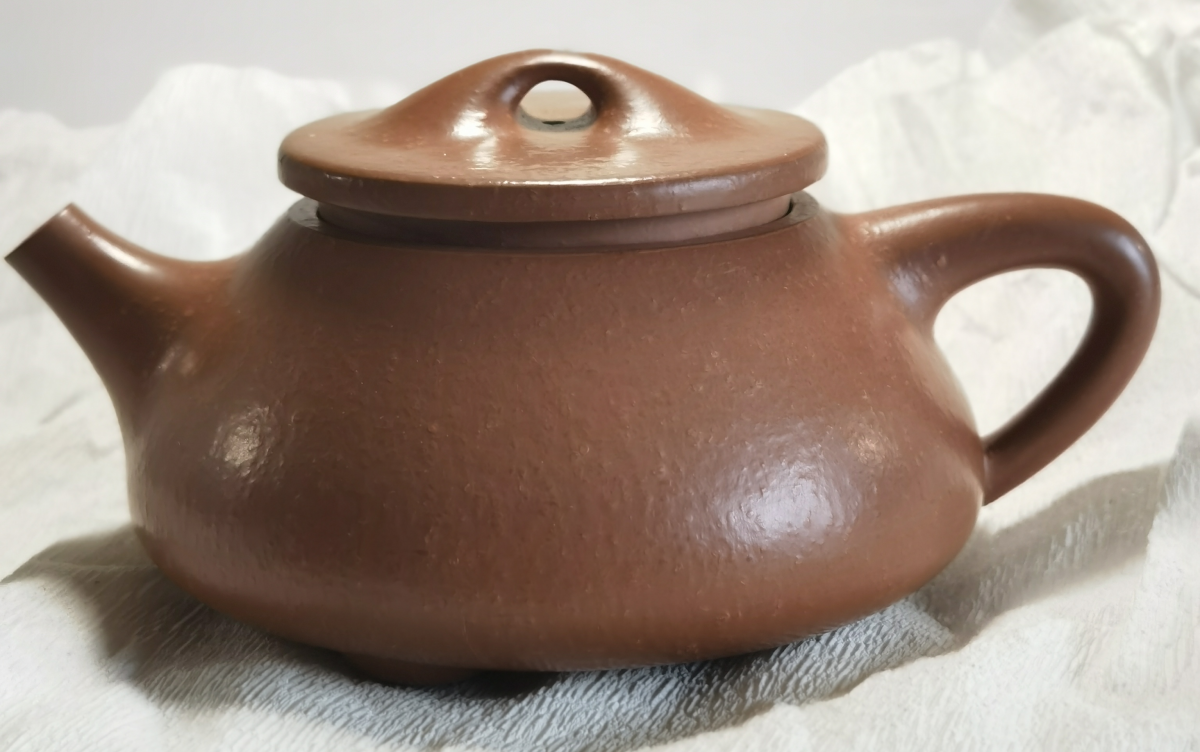
Look at the teapot: authentic Yixing teapots are often unglazed and have minor imperfections to reflect the artisan craftsmanship. The texture should be matte, rather than glossy or painted over, and color should be even across the surface. Be suspicious of a teapot with a texture that doesn’t look like clay and authentic Yixing teapots should have a tighter fitting lid with no gaps or wobble.
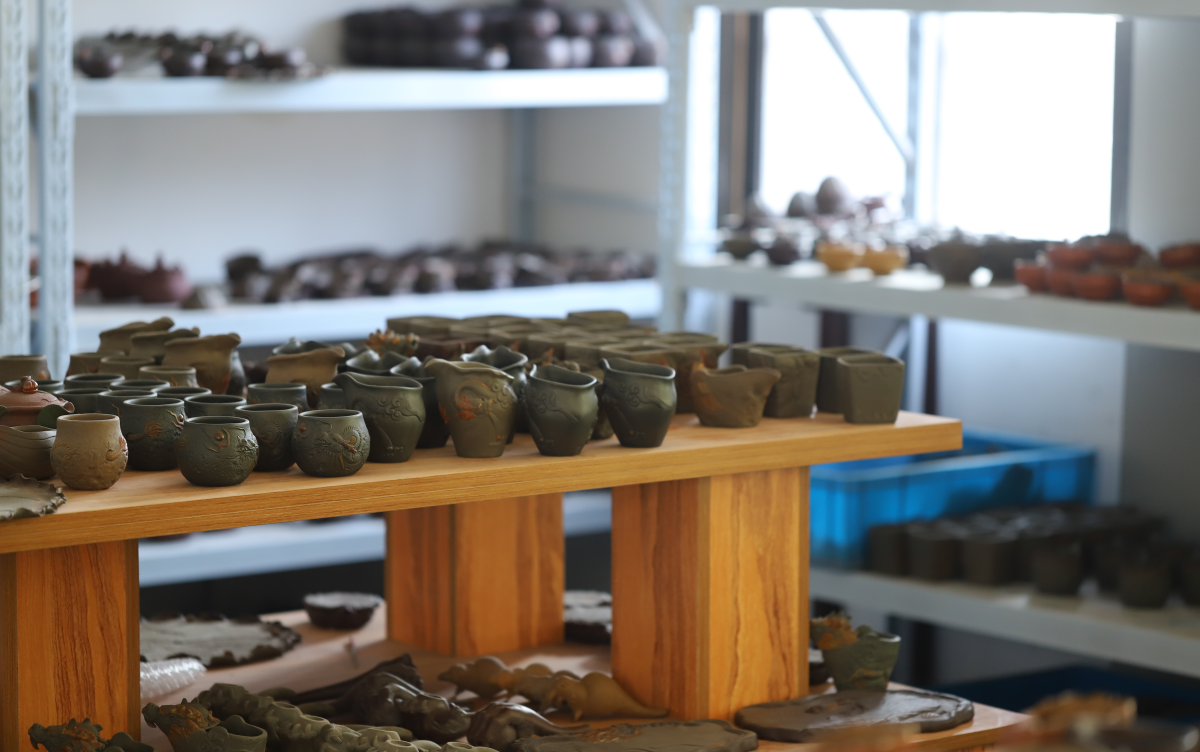
Sight and Touch
The real experiencing of an undoubted Yixing teapot is worth more any tips. A real Yixing teapot is always solid, but not too heavy when you hold it in your hands. Touch the teapot. Genuine Yixing teapots’ clay feels gritty. On the contrary, Fake teapots’ clay feels too smooth or slippery. They are not natural texture of duanni & zisha. They are often due to synthetic material or coating.
Sound and Smell Check
Lightly tap the teapot with lid or a thin object. Real zisha clay teapots will make a clear and bright noise. A fake teapot appears with dull, low tone or a metallic voice. Smell your teapot. Real teapots may contain an earthy smell. Counterfeit ones tend to have chemical or manmade smell.
Maker’s Marks and Certificates
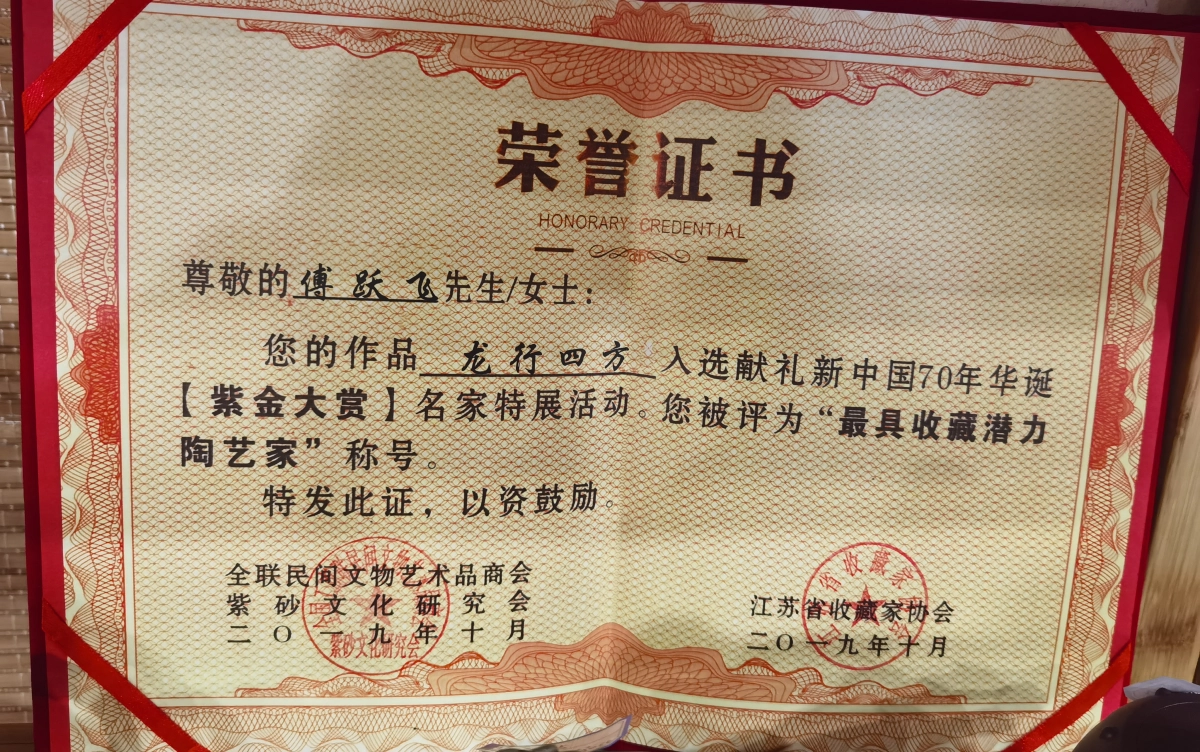
Genuine Yixing Zisha teapots typically have maker’s marks or stamps that can be traced back to the artisan or workshop that produced the piece. Look up the maker’s name and reputation to confirm authenticity. Many premium teapots also come with certificates of authenticity. Be sure to vet these documents to make sure they, too, are genuine, as counterfeiters will sometimes produce fake certificates along with counterfeit teapots.
Reliable Sources
Buy from trusted retailers and artisans specialising in Yixing teapots. Avoid unknown sellers or marketplaces which don’t provide adequate descriptions and guarantees of authenticity. Established sellers will often have some background on the teapot, such as the type of clay used, who made it and how it was crafted.
During a trip to Yixing, China, a tea lover once described a jovial experience of purchasing a teapot directly from the workshop of a renowned teapot artisan. Other than the paper trail, the tea master also provided the buyer with a long demonstration of the teapot’s unique features and functionalities to which one might also add the advantage of an early authentication of the product.
Buying Checklist
Here’s a brief checklist for starters:
By keeping these tips in mind, you’ll be able to confidently recognize and buy a real Yixing Zisha teapot that will bring lasting value to your tea practice.
Yixing Zisha Teapot Care
Having an original Yixing Zisha teapot is never the end of it. Taking proper care of your Yixing teapot is necessary if you want to preserve its unique qualities for as long as possible. Porous Zisha clay requires special treatment that your regular teapot wouldn’t.
Season Your Teapot
The process of seasoning, or “opening” the teapot serves to remove any remaining clay dust or impurities from the crafting process as well as prepare the teapot to take on the flavour of tea.
Teapot Seasoning Instructions:

Cleaning and Maintenance
Keeping your teapot clean is essential for maintaining its quality, but unlike glazing teapots, cleaning a Yixing teapot is an entirely different process due to the fact that it is not glazed and it absorbs flavors.
Do:
Don’t:
How to Store Your Teapot
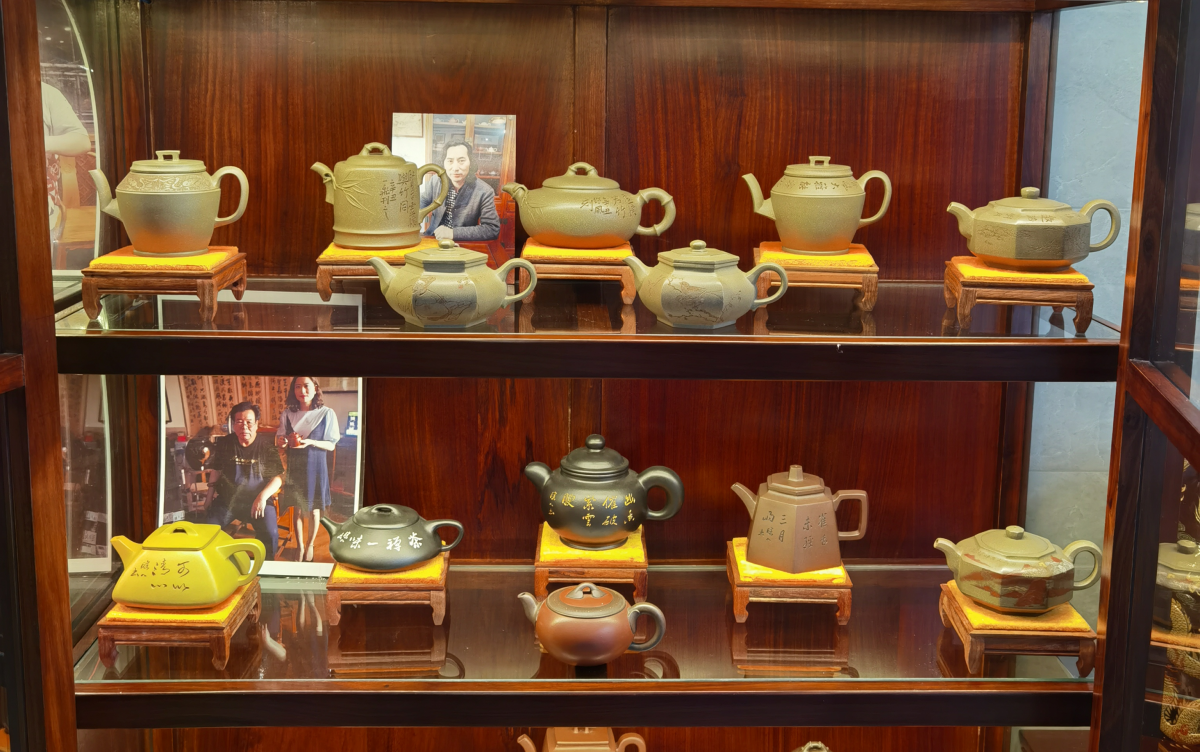
Proper storage is also important to maintain your teapot in pristine condition. Store your teapot in a cool, dry place, with plenty of airflow. Avoid places with strong odours or chemicals, which the porous clay may absorb.
Case Study: A Lifelong Companion in a Teapot A hobbyist recounts his 20-year-old Yixing teapot. Having seasoned it, rinsed it out after every use, and stored it in its own cabinet, his teapot has accumulated a patina and improved tasting qualities in its tea with decades of use.
Maintenance Checklist:
Caring for your Yixing Zisha teapot is more than a matter of maintenance—it’s part of the ritual that deepens your relationship with the pot and enjoyment of brewing tea. With proper care, your new tua will serve you faithfully for many tea sessions to come.
Conclusion
Purchasing a real Yixing Zisha teapot is more than just buying a vessel; it’s investing in tradition, craftsmanship, and an enhanced tea experience. In this guide, we covered the unique properties of Zisha clay, signs that indicate authenticity, common features of fakes, and buyer tips and advice. With these insights, you’re equipped to make educated purchasing decisions and avoid cheap Yixing teapot knock-offs.
Key Takeaways
To own a Yixing Zisha teapot is not to own simply a teapot, but revitalize and preserve a work of art, tradition, and history. To experience this unique piece is to engage with an ancient Chinese tea culture, and enjoy the subtleties of your most beloved brews. Whether you plan on collecting or casually enjoying a cup, the choice to invest in an authentic teapot is one that will elevate your most treasured tea traditions year after year.
Remember, authenticity matters, and it is worth your while to examine, research, and care for your teapot to make sure that it is indeed worthy of the reputation that it boasts, and that it contributes more to your tea drinking experience. Happy brewing!





 Elegant Lotus Bloom Teapot - Premium Yixing Purple Clay for Pu'er Tea | Yserene
  Majestic Dragon Scale Teapot - Authentic Zisha for Green Tea | Yserene
 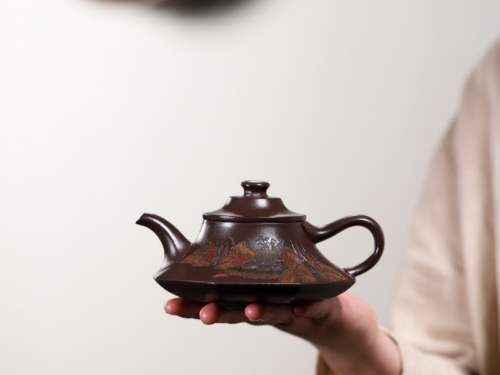 yixing purple clay teapot Imperial Phoenix Tail
 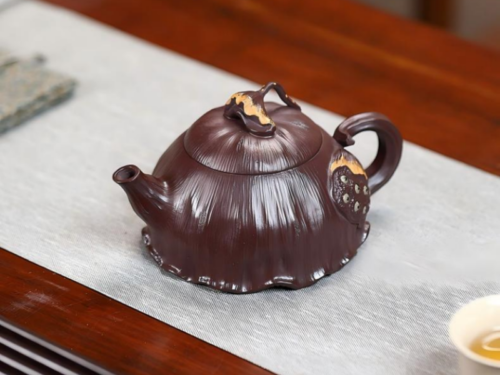 yixing purple clay teapot
 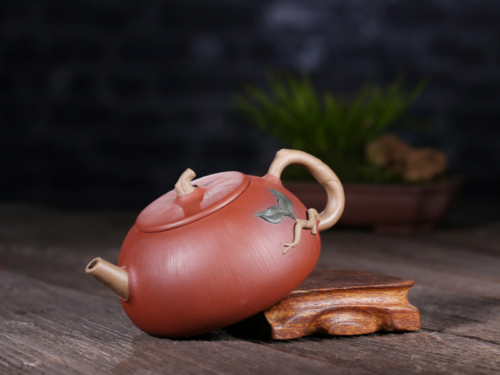 Golden Gourd Calabash Teapot - Handcrafted Yixing Zisha for Oolong Tea | Yserene
 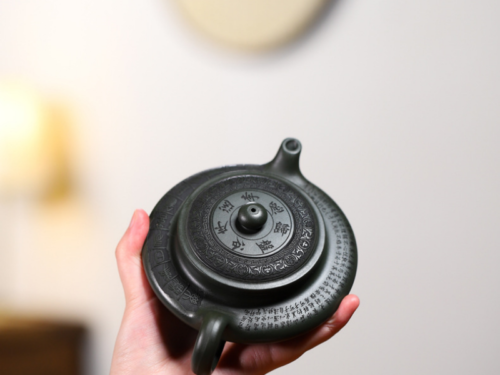 Classic Bamboo Grove Teapot - Traditional Yixing Clay for Herbal Infusions | Yserene
  Phoenix Egg - Artisan Duanni Clay for Phoenix Oolong Tea | Yserene