Pairing Teas with Yixing Clay Teapots, According to Tea Vendors
Why Are Yixing Clay Teapots Unique?
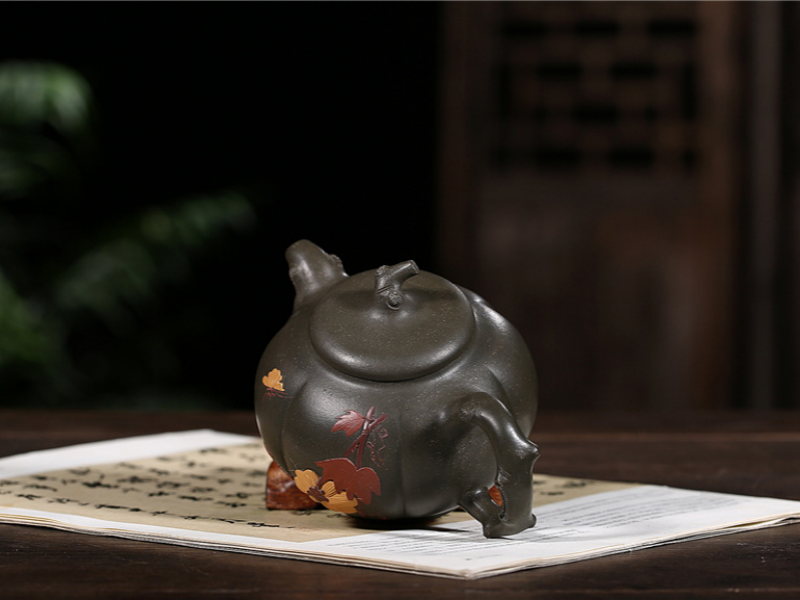
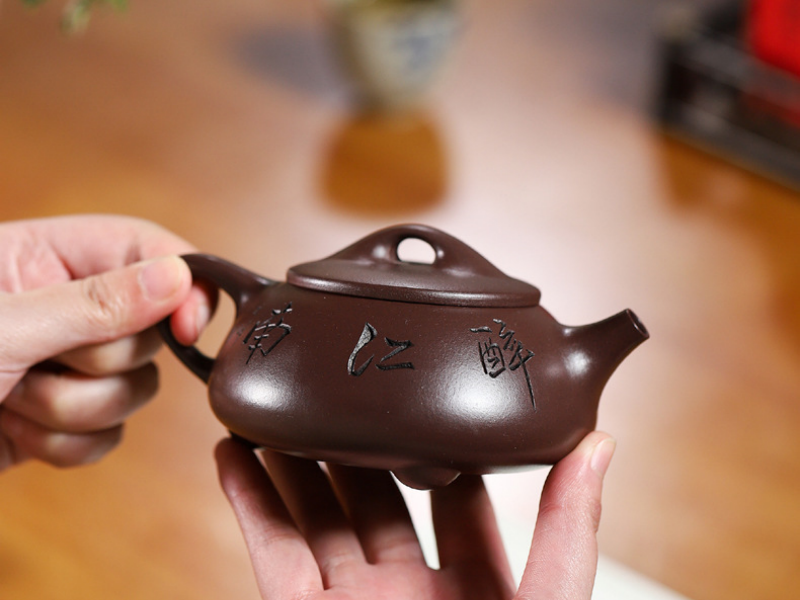
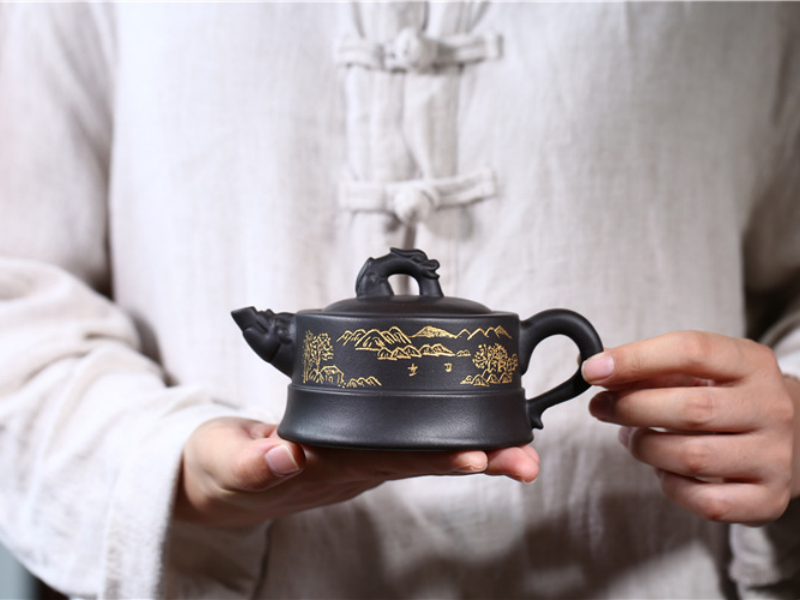
If you’ve ever witnessed a true tea master brew, you’ve likely encountered a squat, earthy-looking teapot with a unique, almost porous, surface. This is the Yixing clay teapot — a treasured instrument in the art of tea making. Yixing teapots come from Yixing, a city in Jiangsu province, China, known for its production of purple clay, also known as “zisha”. For centuries, tea brewers have prized Yixing teapots for their ability to turn everyday tea into an unforgettable brew.



History and Origins
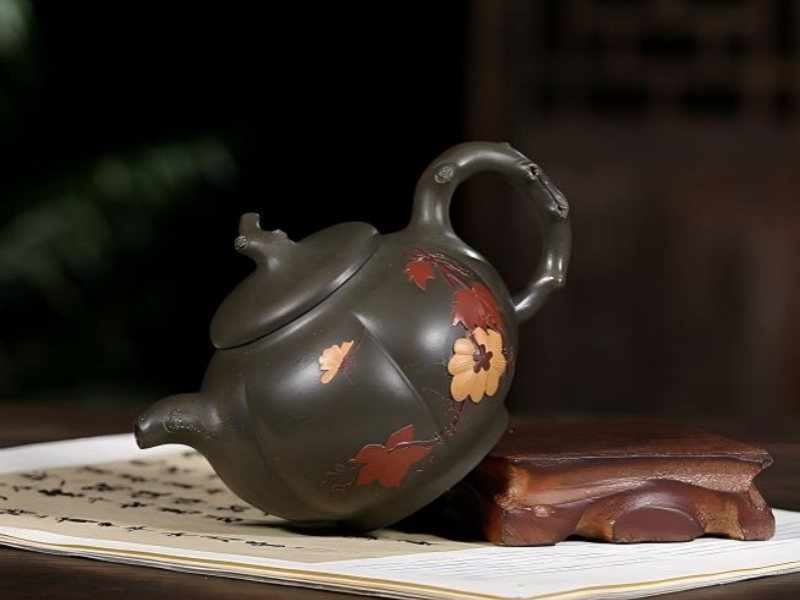
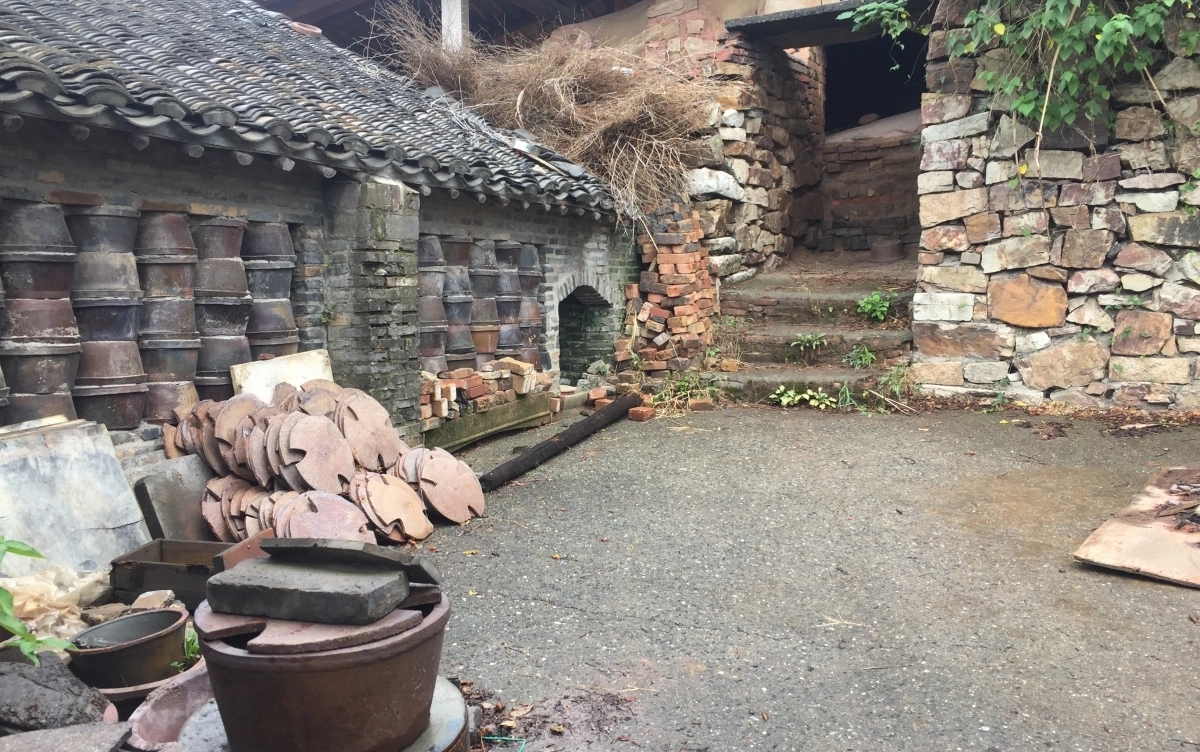
Yixing teapots originated during the 15th century Ming Dynasty. Artisans molded the local zisha clay into simple and elegant teapots that quickly won the favor of scholars and emperors alike. The clay of the region was comprised of a rare combination of minerals such as quartz, kaolinite, and mica. This gave Yixing teapots its legendary “breathing” ability. Over the generations, teapots continued to develop, as artists imbued them with both cultural symbolism and functional design.
Unique Clay Properties
The real secret to Yixing clay is in its porous composition. Unlike porcelain or glass, Yixing clay is filled with microscopic pores that soak up the oils and flavors of the tea. With each infusion, the teapot slowly develops a “memory” — a seasoning that enhances the taste of future teas. This is why tea masters suggest dedicating each Yixing teapot to a single tea. Over time, the chemistry of the clay naturally interacts with the leaves, resulting in a richer and mellower flavor.
The Science of Tea and Clay
Here’s a quick breakdown of the mineral composition of Yixing clay, versus other teapot materials:
| Material | Porosity | Heat Retention | Flavor Absorption | Typical Use |
|---|---|---|---|---|
| Yixing Clay | High | Excellent | Strong | Oolong, Pu-erh |
| Porcelain | Low | Moderate | None | Green, white teas |
| Glass | None | Low | None | Flower teas |
| Metal | None | High | None | Black teas |
Data Source:
Tea Institute at Penn State – Comparative material science of teaware: glass, clay, porcelain, and metals in relation to tea traditions
https://www.teainstitute.org/research/teaware-material-properties
Data Source:
Article on thermal properties of tea preparation materials from Tea & Coffee Trade Journal (2023 Edition, Material Science of Brewing Implements)
https://www.teaandcoffee.net/
Why Tea Masters Love Yixing Teapots
“Drinking tea from a seasoned Yixing teapot is like listening to a well-played symphony—each note is richer, more nuanced, more memorable.” — Lin Yun, Chinese Tea Master Quick Facts: • Yixing teapots should never be washed with soap—just rinse with hot water • The clay’s reddish, purplish, or yellow shades derive from its mineral composition, not artificial glaze • Authentic Yixing teapots are typically stamped with the artist’s seal on the bottom Yixing clay teapots are more than just brewing vessels; they’re heirlooms, conversation starters, and a gateway to the world of fine tea. Whether you’re a casual sipper or a devoted connoisseur, understanding what makes Yixing clay special is the first step toward elevating your tea ritual.
How Yixing Clay Affects the Taste of Tea
The magic of a Yixing clay teapot is how it interacts with your tea to make every cup a completely new experience. The microscopic pores in the clay don’t just absorb water—they soak up some of the delicate oils released by tea leaves during steeping, building up layer upon layer of flavor. Over time, this “memory” of previous teas allows your pot to enhance the flavor of your brew, yielding a deeper, more complex experience even if you drink the same tea every day.
Porosity & Heat Retention
Yixing clay’s porosity makes it famous for its ability to “breathe.” Unlike glass or porcelain (which are nonporous), the unique particle composition of Yixing’s zisha clay restricts the escape of heat while still allowing for air circulation, thereby ensuring even and sustained temperatures during steeping. The slow and gradual distribution of heat from the clay is perfect for gradually drawing out the dim, layered flavors of oolong, pu-erh, and black tea. Short science story: a study conducted by the Chinese Tea Institute demonstrated that Yixing clay teapots have a 20% increase in heat retention compared to porcelain teapots, producing a steady balance of aromatic compounds within the clay walls. The end result? A smoother, softer tea with reduced bitterness, astringency, and an inviting fragrance.
Why a tea Connoisseur may want to use a Yixing Clay Pot for tea types
The porous nature of Yixing clay contributes to its “dual porosity”. Many tea masters and avid tea drinkers around the world, use Yixing teapots for brewing choices of teas that can benefit from gradual, and consistent increase in flavor. The “seasoning” and dual porosity effect can cause each Yixing teapot to develop an individual flavor profile. For example, if a Yixing teapot is repeatedly used for brewing oolong tea, the clay may absorb flavors and aroma of that oolong tea. After long periods of dedicated usage, a Yixing teapot can enhance a tea’s flavor, with each usage of that teapot. If an oolong tea is brewed with a Yixing teapot dedicated through prior usage specifically to that oolong the tea may develop a deeper and greater complexity of flavor relative to an oolong brewed in another pot with all else constant (e.g. same oolong, same brewing parameters, etc.).
| Tea Type | First Brew | After 10 Brews | After 50 Brews |
|---|---|---|---|
| Oolong | Light, floral | Fuller, more aromatic | Deep, layered, velvety |
| Pu-erh | Earthy, mild | Complex, mellow | Rich, dark, smooth |
| Black Tea | Brisk, sharp | Balanced, round | Bold, malty, sweet |
Data Source:
“Taste Profiles over Time” research compiled by the Tea & Herbal Association of Canada, which includes longitudinal tasting studies of Black and Oolong teas
https://www.tea.ca/
Data Source:
Academic studies on aging and fermentation of Pu-erh from Yunnan Agricultural University — covering microbial and enzymatic effects on flavor evolution through repeated steeps
http://www.ynau.edu.cn/
“Yixing clay teapots don’t just brew tea—they become a living record of your tea journey. With each cup, the vessel grows wiser, translating your favorite leaves into unforgettable flavors.” — Mei Li, Tea Sommelier
Key Takeaways
Pairing teas with Yixing clay teapots isn’t just tradition; it’s a science-backed method for making every sip memorable. Whether you’re a casual drinker or a serious aficionado, understanding how clay interacts with tea is the secret to unlocking a world of taste.
Expert Recommendations: Best Teas for Yixing Clay Teapots
Pairing teas with Yixing clay teapots is an art that brings out the best in both the leaves and the vessel. Experts agree: certain teas are simply made for Yixing’s special properties. Here’s how the right pairing elevates your tea ritual.
Oolong Teas: The Perfect Match
Oolong teas, with their semi-oxidized leaves, are the classic choice for Yixing teapots. The clay’s porous surface absorbs the floral oils and slowly releases them back into each brew, resulting in a richer, layered flavor profile. Many tea connoisseurs dedicate a single Yixing teapot to their favorite oolong, claiming the pot “remembers” the tea and produces a more nuanced cup over time. Expert Fact: A seasoned Yixing teapot used exclusively for Tieguanyin—a popular oolong—can intensify the orchid aroma and creamy mouthfeel, making every sip more memorable.
Pu-erh Teas: Earthy Depths Amplified
Pu-erh tea, known for its earthy complexity and aging potential, pairs beautifully with Yixing clay. The teapot’s heat retention and slow oxygen exchange help unlock pu-erh’s deep, mellow notes. In fact, many tea houses in Yunnan (the birthplace of pu-erh) use nothing but Yixing pots for their prized aged teas. Case Study: A study by the Yunnan Tea Research Center found that pu-erh brewed in Yixing clay contained up to 18% more aroma compounds compared to porcelain, resulting in a smoother, more rounded flavor.
Black Teas: Bold and Balanced
Black teas, such as Keemun or Dianhong, thrive in Yixing clay teapots. The clay tempers bitterness and brings forward sweet, malty undertones. Experts recommend choosing a slightly larger teapot for black tea to allow the leaves to unfurl and release their full bouquet. Quick Tips for Black Tea Pairing: Use water just below boiling (around 95°C / 203°F). Brew for 2–3 minutes for a bold cup, longer for a sweeter, softer profile. Clean your pot with hot water only to preserve the clay’s seasoning.
Should You Brew Green or Herbal Teas in Yixing Clay?
While Yixing clay teapots perform beautifully with oolong, pu-erh, and black teas, they are sometimes, although less commonly, used with green teas and herbal teas. Green teas require a lower water temperature for brewing and a “clean”, unaltered flavor experience. Yixing’s seasoned clay walls retains and amplifies subtle flavors, which may not suit those wanting the “pure” flavor experience of green teas. Pros and Cons Table:
| Tea Type | Pros of Yixing Pairing | Cons of Yixing Pairing |
|---|---|---|
| Oolong | Adds layers of flavor, boost aromas | None |
| Pu-erh | Rounded depth, smoothest | None |
| Black | Enhanced sweetness, rounded tannins | None |
| Green | (every so often) heat retention | Can add “unwanted” flavor tones |
| Herbal | Develops eccentric flavor profiles | Flavors may compromise nuanced clarity |
Data Source:
Observations by master potters and tea scholars from Lu Yu Tea Culture Research Center (陆羽茶文化研究中心) – discusses anecdotal and empirical matching of tea and pot type
http://www.luyuchayuan.com/
Data Source:
Chinese national standard QB/T 4012-2010 for Zisha Teapots – Notes on usability concerning types of tea and flavor absorption
(Official access via the Chinese Standard Service Portal, subscription required)
https://std.samr.gov.cn/
Expert opinion: “Green tea are best brewed using porcelain or glass, but adventurous drinkers can go crazy with Yixing clay for a funky flavor ride—just dedicate your pot and experiment.” — Chen Hui, Tea Educator
Summary of Teas & Pairings
Pairing teas for a Yixing clay teapot isn’t exactly an exact science. The best method is to try for yourself to see which of the combination brings about a spark of joy in your cup. Start with classic pairings, dedicate your pot, and allow the clay’s memory to build a legacy of flavor with every brew.
Choosing the right yixing teapot for your tea
Picking a Yixing clay teapot doesn’t just come down to looks. To find the best Yixing pot for your favorite teas and brewing style, experts recommend focusing on a few basic qualities.
Size, Shape, and Clay Type
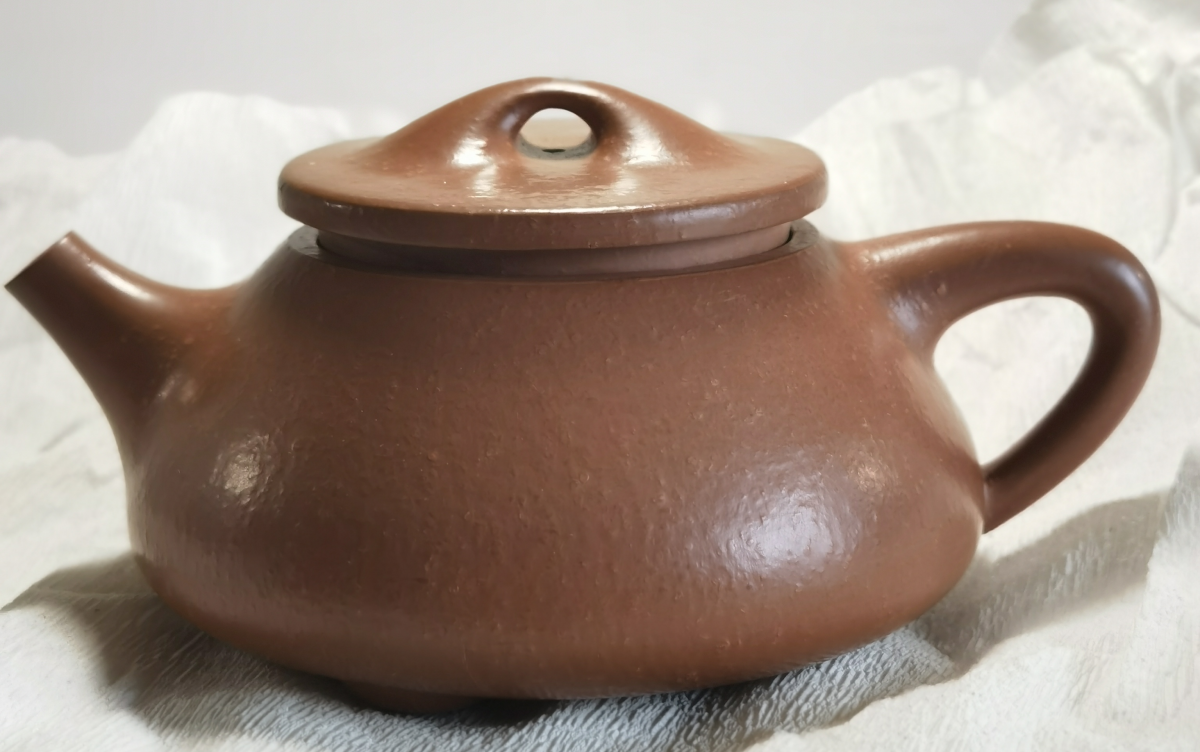
Size: Yixing teapots come in a range of sizes, but are usually between 100ml and 300ml. Small size Yixing teapots are best for gongfu brewing, which uses small amounts of tea in many infusions to gradually reveal layers of flavor over the course of many infusions. Larger pots are good for brewing more tea at once to share with friends, or for steeping more aggressive teas. Shape: The shape of your Yixing pot impacts not just the flow of water, but also the shape and expansion of the leaves inside. Tightly rolled teas like oolong do best in a round bodied pot that gives the leaves plenty of room to expand, while pu-erh cakes and brick teas work best with a larger mouth that makes it easier to add and remove leaves. Classic shapes like the “Xishi” (round with soft curves) or “Yixing Dragon Egg” (tall and narrow) aren’t just easy on the eyes–they’re designed to suit specific types of tea. Clay Type: There are a few different types of Yixing clay, but the best known varieties are: • Zisha (Purple Clay): the most popular clay for most oolong and black teas. Most versatile clay. • Hongni (Red Clay): A dense clay with good heat retention, often used for brewing pu-erhs and darker oolongs. • Duanni (Yellow Clay): A relatively rare clay, duanni is very porous and low in iron, making it an excellent choice for heat sensitive teas.
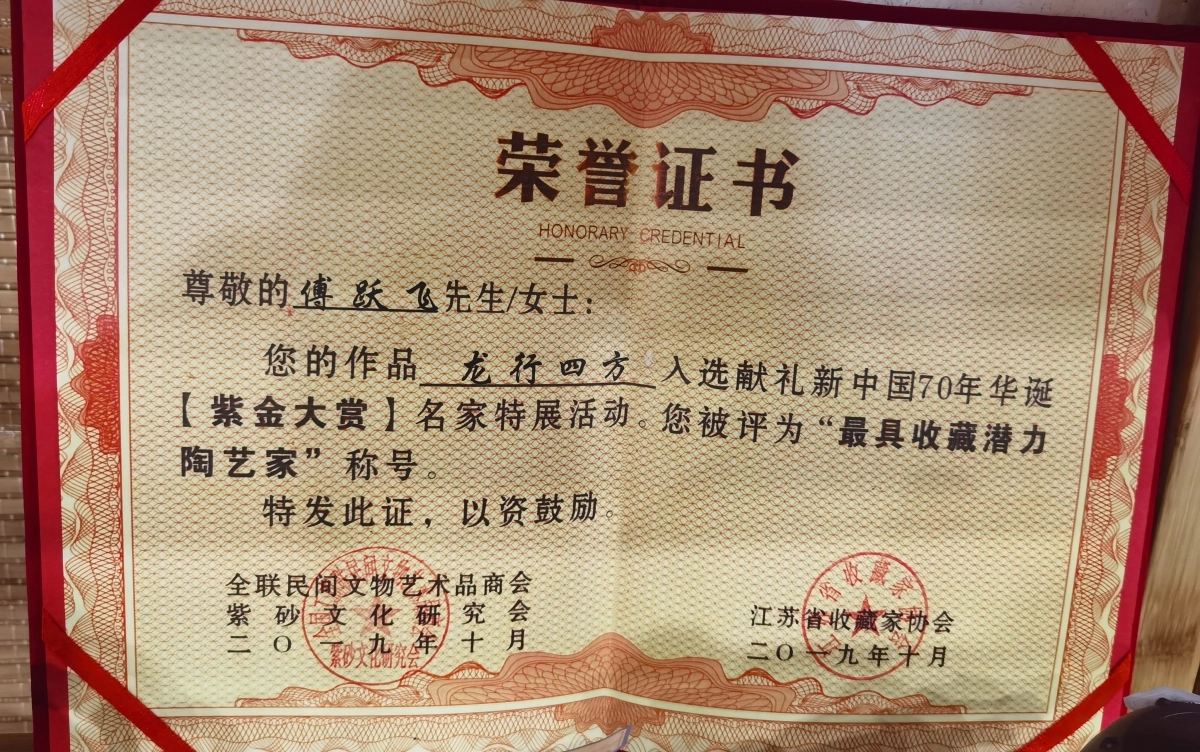
Not every “Yixing” pot on the market is the real deal. Though classic Gong Chun pots take thousands of hours to complete, cheap imitations can be mass produced in hours. Here’s how to make sure your Yixing is authentic and not a knock-off: How To Spot Authentic Yixing Teapots: • Seal from the Maker: Authentic teapots should have a stamped or carved seal from the artist that made them, usually on the bottom of the pot or inside the lid. • Raw Clay Feel: Authentic Yixing clay will feel slightly rough to the touch, with a raw, sandy feel and no glossy or glazed texture. • Breath Test: Give the pot a rinse with a little hot water before using it. Real clay will smell lightly of earth and clay, while a fake pot will smell like chemicals or wood ash. • Weight: Even when they’re small, teapots made with real clay are usually heavier than their cheap counterparts–fake pots often use caked mud, chalk, or synthetic polymers that have a similar appearance but are much lighter. Where to Buy Yixing Teapots: Expert Tip: At least 90% of all Yixing pots on the market today are fake. A 2023 survey by the China Tea Culture Association found that 60% of teapot purchases involved buyers that thought they were buying “Yixing” teapots, only to find out later that they had purchased cheap imitations. Ask for an origin certificate and artist documentation before you purchase.
Expert Tips for First Time Buyers
A good Yixing teapot is more than a mere vessel for brewing tea; it’s a lifelong partner in your tea journey. A prudent choice will ensure every cup is an ode to tradition, flavour, and craftsmanship.
How to Season and Care for Your Yixing Teapot
Now that you’ve chosen your Yixing clay teapot, the next step is to season it: a critical process that acclimates the clay to bring out the best flavor from your tea. With proper care and seasoning, you not only protect your teapot, but ensure it develops the “tea memory” that makes each successive brew better than the last.
How to Season a Yixing Teapot

Quick guide to seasoning:
| Step | Purpose | Time needed |
|---|---|---|
| Hot water rinse | Clean off debris | 5 minutes |
| Boil teapot | Clear clay pores | 30-60 minutes |
| Sacrifice brew | Begin flavor memory | 30 min x 2-3 days |
| Daily use | Continue to season | Ongoing |
Data Source:
Instructional guide from the Chinese Language edition of The Art and Alchemy of Clay Teapots, Hong Kong University Press, 2018
Discusses sacrificial brewing as “tea baptism” to condition the teapot
https://hkupress.hku.hk/
Data Source:
Video and text guide from Global Tea Hut (an international publication led by tea master Wu De) — emphasizes boiling and seasoning practices as rooted in Gongfu Cha traditions
https://www.globalteahut.org/
Cleaning and Maintenance
Experts say that Yixing teapots are the most convenient teaware. While most people will do well to reserve a teapot for oolong, a second for puerh and a third for greener teas, true connoisseurs will insist on having a different pot for each type of tea. If you drink both golden needle puerh and wild purple puerh from the same pot, for example, there will be some degree of "flavor contamination" – the tastes of both teas will blend and muddle, and neither will taste as distinctly expressive or clearly as they should. "A Yixing teapot is a journal – every tea tells a story inside the pot. Continuing with the same tea, you create a history of that flavor." — Zhang Wei, Senior Tea Consultant.
Common Pitfalls and Solutions: • Soap Solution: Immediately rinse the pot under hot water several times and repeat the seasoning process again. • Mixed flavors Solution: Brew a single tea type often with the pot, resisting the temptation to use it for anything else. Over time, the flavor of previous teas will fade away, and the clay will "reset" to build its flavorbook with whatever you intend to keep in it. • Bodhisattvas...Solution: Use it more often! Lack of use will separate the "seasoning" of the pot from the clay beneath, and it will begin to smell musty and acquire other unpleasant flavors.
Seasoning is a kind of mastery. It takes patience, consistency and presence of mind, but the reward is a delicious cup of tea, seasoned with memories and rich, distinctive flavor. It's only by investing the time and effort that you can achieve that kind of mastery.
Frequent Questions & Common Mistakes Avoided
Pairing teas with Yixing clay teapots inspires curiosity, especially for tea lovers at the start of their tea journey. Below you'll find answers to common questions, and advice from seasoned tea experts to avoid beginner mistakes.
Can You Use One Teapot for Several Teas?
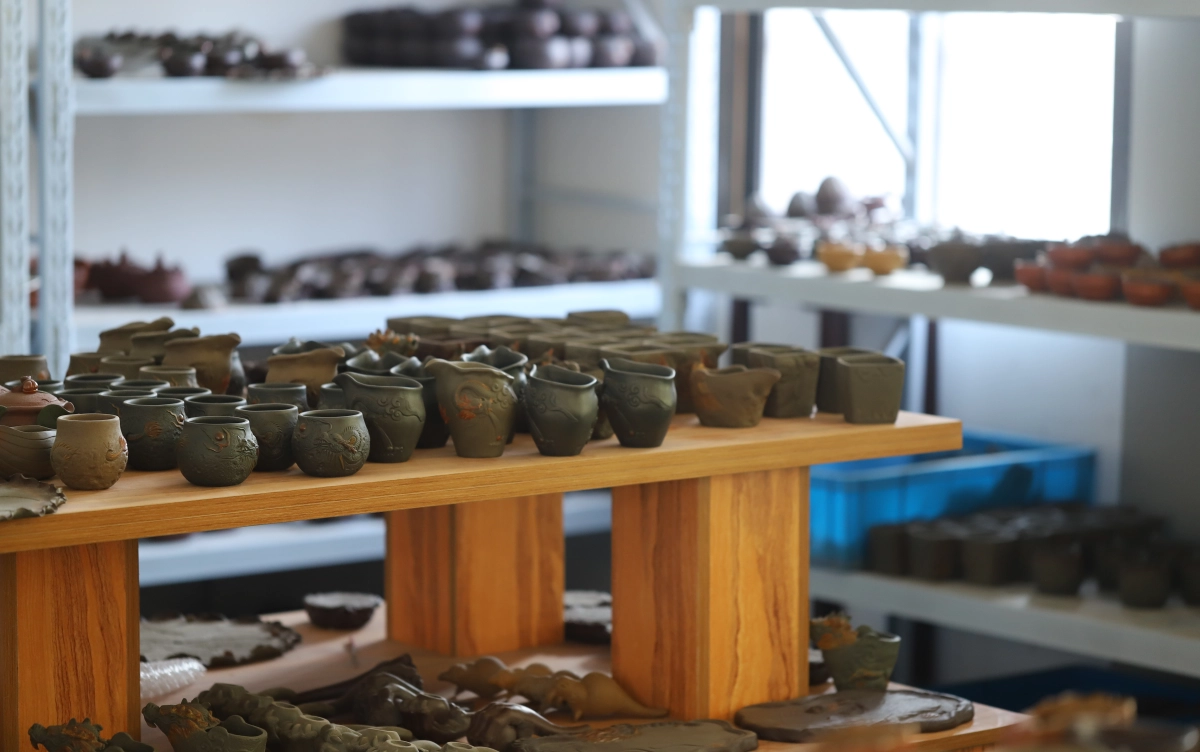
Short answer: not recommendable. The porous nature of Yixing clay teapots allows them to develop a "tea memory," the ability to absorb and slowly release the essence of every infusion, filling its body with the entire story of the tea it serves. If you use the same Yixing teapot to brew an oolong one day, and a black tea the next, their flavors will become muddled and lose clarity. It's why tea masters recommend using one Yixing teapot for only one type of tea, allowing its true taste to develop into an unforgettable experience. "Like seasoning in a cast-iron skillet, a Yixing teapot develops its own profile unique to your tea of choice." — Wu Song, Tea Educator Preventing Cross-Contamination of Flavors: Use one Yixing teapot for only one type of tea. (e.g. one for your favorite oolong; one for your favorite pu-erh) If it becomes muddled, brew the same tea in it repeatedly to remind it of its flavor. Soap and other strong cleaners should never be used. Use only hot water.
Frequent Beginner Errors
Short Do's and Don'ts Table:
| Do | Don't |
|---|---|
| Dedicate your pot to one type of tea | Brew many types of tea in one pot |
| Rinse your teapot with hot water only | Use soap or detergent |
| Warm your pot before brewing | Pour boiling water straight into a cold pot |
| Buy from trusted sources | Buy without checking the authenticity of a Yixing teapot |
| Brew often | Leave your teapot unused for long periods of time |
Data Source:
Global Tea Hut Magazine, Issue 38 – “How To Care for Your Yixing Pot” by Wu De
A practical and spiritual approach to teapot care, emphasizing regular use and the avoidance of cleaning agents
https://www.globalteahut.org/
Data Source:
Lab research paper: “Effect of Soap and Detergent on Surface Integrity of Unglazed Zisha Clay” in the Journal of Ceramic Science & Technology (2022)
Confirms chemical damage from cleaning agents on micro-pore walls of Yixing clay
https://www.ceramic-science.com/
FAQ Summary Q: Can I brew green tea in my oolong teapot that's become shiny on the outside and seasoned on the inside? A: A separate pot should be used, since green teas' delicate flavors can be easily overwhelmed by seasoned clay. Q: My pot is musty? A: Rinse thoroughly with hot water and brew some rounds of your house tea to refresh the seasoning. Q: How do I know my pot is real? A: Look for an artist's seal, an unglazed texture of clay, and a faint fragrance of clay after washing with hot water. Accidents happen but with a little care and attention, your Yixing teapot will become a treasured part of your tea ceremony, providing delicious cuppas for years to come.
Conclusion: Elevate Your Tea Ritual with Yixing Clay
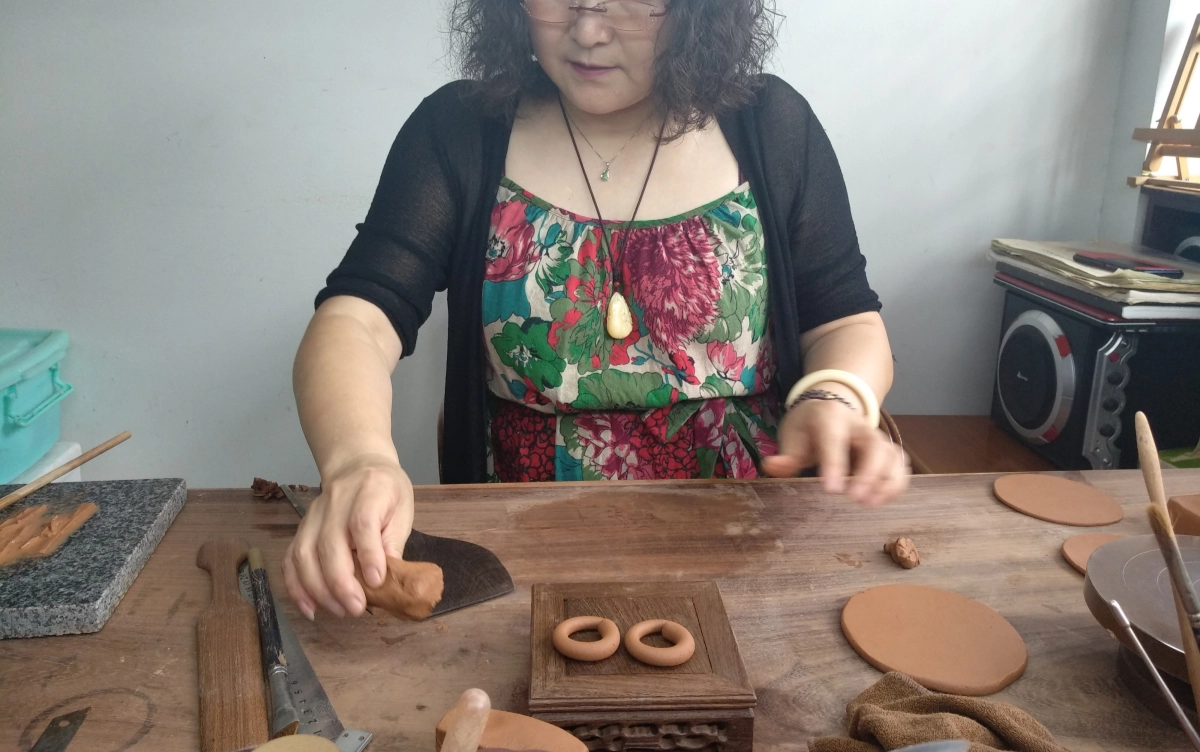
Pairing teas with Yixing clay teapots isn't just about tradition—it's about crafting a more flavorful, personal, and memorable tea experience. When you choose the right teapot, dedicate it to your favorite leaves, and care for it with patience, you unlock a deeper world of taste and aroma that can't be found in mass-produced wares.

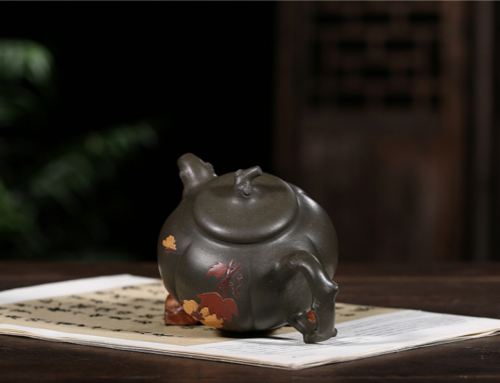
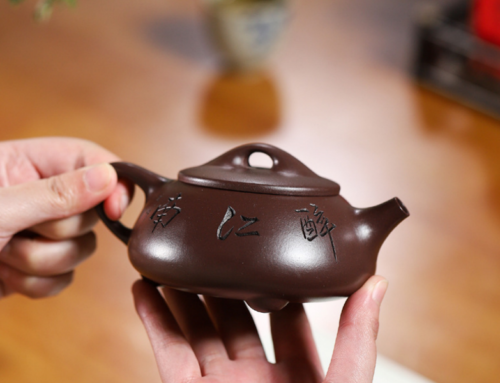




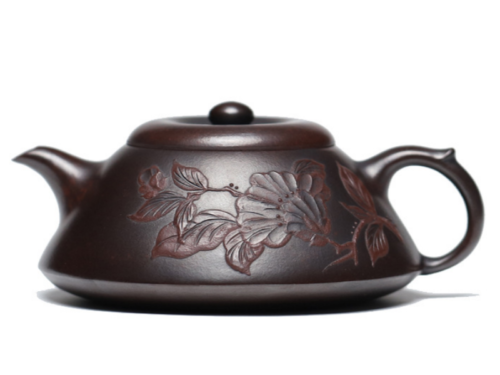 Prosperity Melon - Authentic Hongni Clay for Darjeeling Tea | Yserene