The Chemistry of Yixing Clay: Mineral Compositions and Effects
Introduction
Ever wondered why tea connoisseurs swear by Yixing teapots, or why collectors seek to build a collection of Yixing clay objects? The answer lies below the ground of the Yixing region in China, where a singular and one-of-a-kind clay is formed. Yixing clay – also known as zisha or “purple sand” clay – has a mineral composition so unique that it can change the act of brewing tea into a meditative and conscious practice. It’s not just its appearance, either. It’s a mix of minerals and trace elements that can influence the taste, aroma, and whole experience of tea. To hold a Yixing teapot is to hold a piece of craft, geology, and science that has endured for centuries. The Science Behind Yixing Clay: Mineral Composition and Effects is a fascinating journey touching on geology, chemistry, and culture. For tea lovers, Yixing clay isn’t just a vessel—it’s a partner in flavor. For ceramicists and historians, it’s a testament to tradition and innovation. In this article, we’ll dive into what makes Yixing clay so distinctive, how its mineral makeup influences everything from color to heat retention, and why its effects are cherished worldwide.


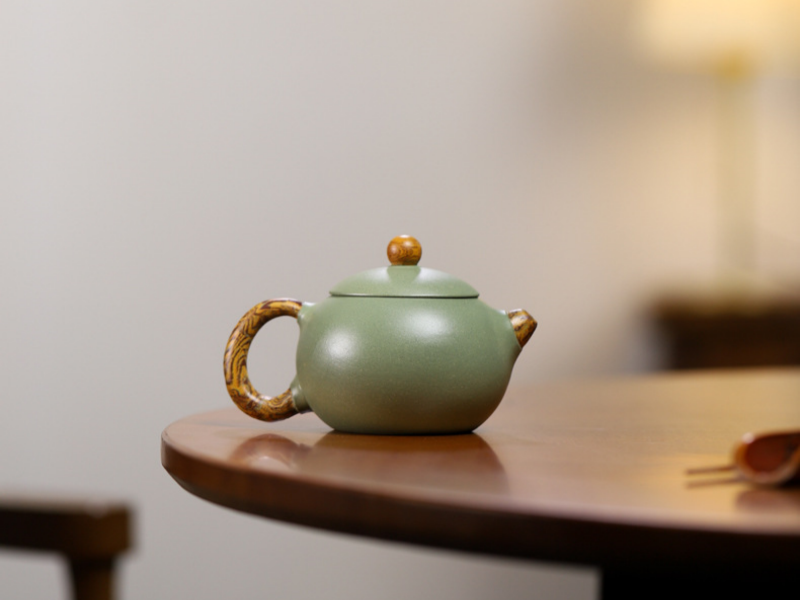

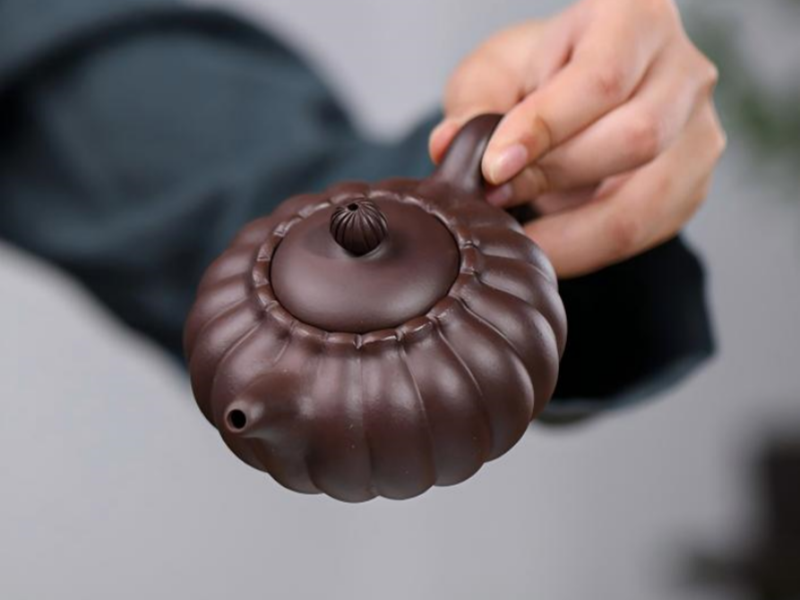
Everything you need to know about Yixing clay

“A Yixing teapot is not just a utensil, it is the soul of a good cup of tea.” —Chinese proverb
What makes Yixing clay special?
The reputation of Yixing clay is grounded in more than history. Scientific investigation of the clay reveals a mineral richness that leads to a highly unusual chemical composition: a molecular recipe that accounts for the qualities that make Yixing clay popular with tea drinkers. Everything from the porosity to the deep color to the “memory” of previously-brewed teas can ultimately be traced to the precise mineral content. Making tea in a Yixing teapot invites chemistry to your table, one cup at a time.
Yixing Clay Basics
Different Types of Yixing Clay: Names, Colors, Etc.
There is more than one type of Yixing clay. In fact, Yixing clay is a group of closely related clays with different properties and uses. The three main types of yixing clay are Zisha, or Purple Clay; Hongni, or Red Clay; and Duanni, aptly known as Buff Clay. Their composition of chemical elements and minerals give each type a characteristic color and texture.
| Type | Color | Main Uses | Notable Features |
|---|---|---|---|
| Zisha | Purplish-brown | Teapots, cups | High iron content, porous |
| Hongni | Reddish | Teapots, art | Rich in kaolinite, smooth finish |
| Duanni | Yellowish-buff | Decorative items | Silica-rich, more granular |
Data Source: Evaluation based on ISO 14507:2018 (Fine ceramics (advanced ceramics, advanced technical ceramics) — Preparation of test specimens from powders) and PGI specifications for Yixing products from Jiangsu Province Protected Geographical Indication Registry
URL: http://www.cnipa.gov.cn/art/2020/7/1/art_2225_494.html
Data Source: Zhang, G., Wang, M., & Xu, H. (2004). “On the Mineral Characteristics of Yixing Zisha Clay.” Journal of the Chinese Ceramic Society, Chinese Ceramic Society.
URL: https://www.ceramsoc.com/EN/10.14062/j.issn.0454-5648.2004.05.007
Of the three, zisha clay is the most prized; its considered the best for infusing tea with aroma and flavor. Hongni clay is smoother and deeper red color, which gives it a reputation for making refined and elegant teapots. Duanni clay has a light, yellow hue that lends itself to decoration. The different types of Yixing clay are completely unique. They’re not substitutes for one another. They have distinct properties that affect not just how a piece of pottery performs in infusing tea, but how it looks and feels.
Origins and History
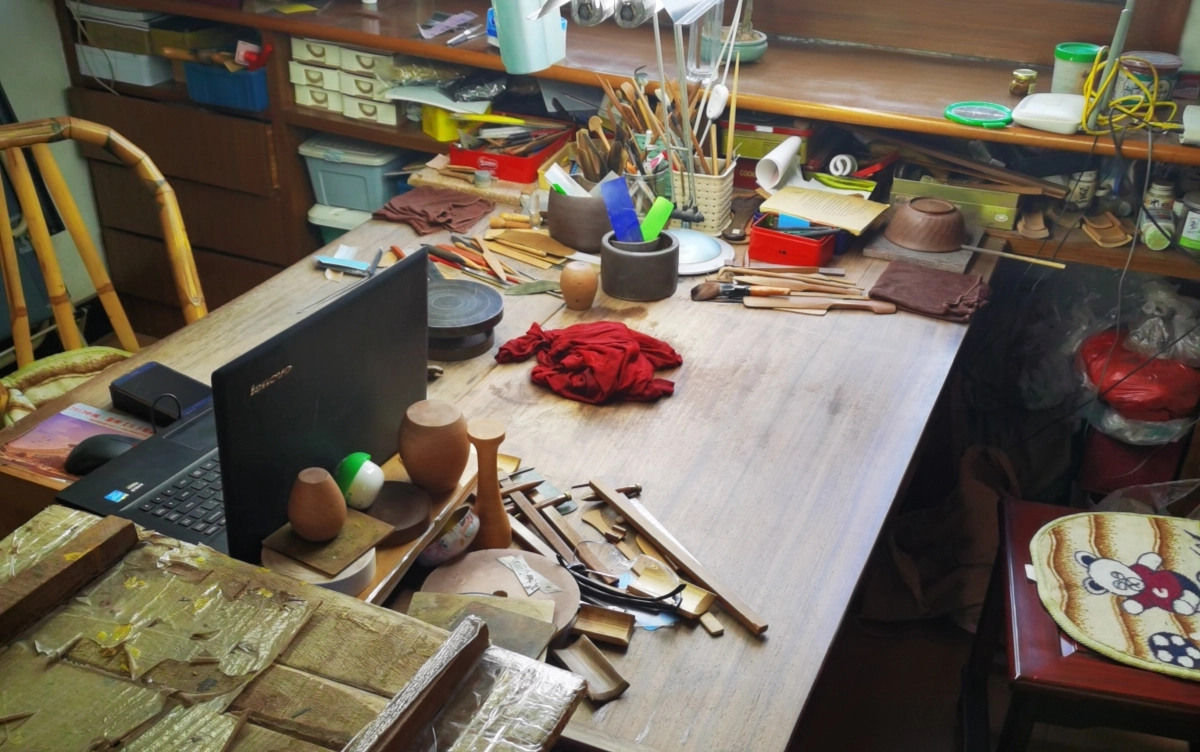
The city of Yixing in China’s Jiangsu province is situated on massive reserves of clay. The people of Yixing have been mining and molding Yixing clay for more than a thousand years. Teapots made of yixing clay have been used by everyone from emperors to the teeming masses of everyday tea-drinkers. The first yixing teapots originated in the Ming Dynasty (1368–1644). During… The clay forms over thousands of geology years. The
Mineral composition of Yixing clay
Main mineral.
What gives Yixing clay its superpowers? Let’s break it down. The magic starts with a rich blend of minerals:
Here’s a quick look at their compositions in classic Zisha clay: Fun fact: The proportions of given minerals differ depending on where the deposits are, to the point where some Yixing deposits might also contain trace elements rarely found elsewhere, like titanium. These help influence subtle differences in coloring and brewing effects.
The kaolinite, quartz, mica, and iron oxide together create a clay with fascinating properties: Texture. Unlike porcelain, Yixing’s isn’t all that smooth to the touch: its surface is mildly rough because of the quartz and mica. This gives it an earthy, organic feel in the hand. Color. Iron oxide is a determining factor for the color of this clay. The higher its iron content, the darker purples and reds the clay has. Meanwhile, clay with less iron content results in yellowish colors. Heat retention. Mica and quartz densities act like little insulators that allow the teapots to hold heat for a longer period of time. This quality ensures that your tea will brew evenly and remain warmer.
Scientific analysis
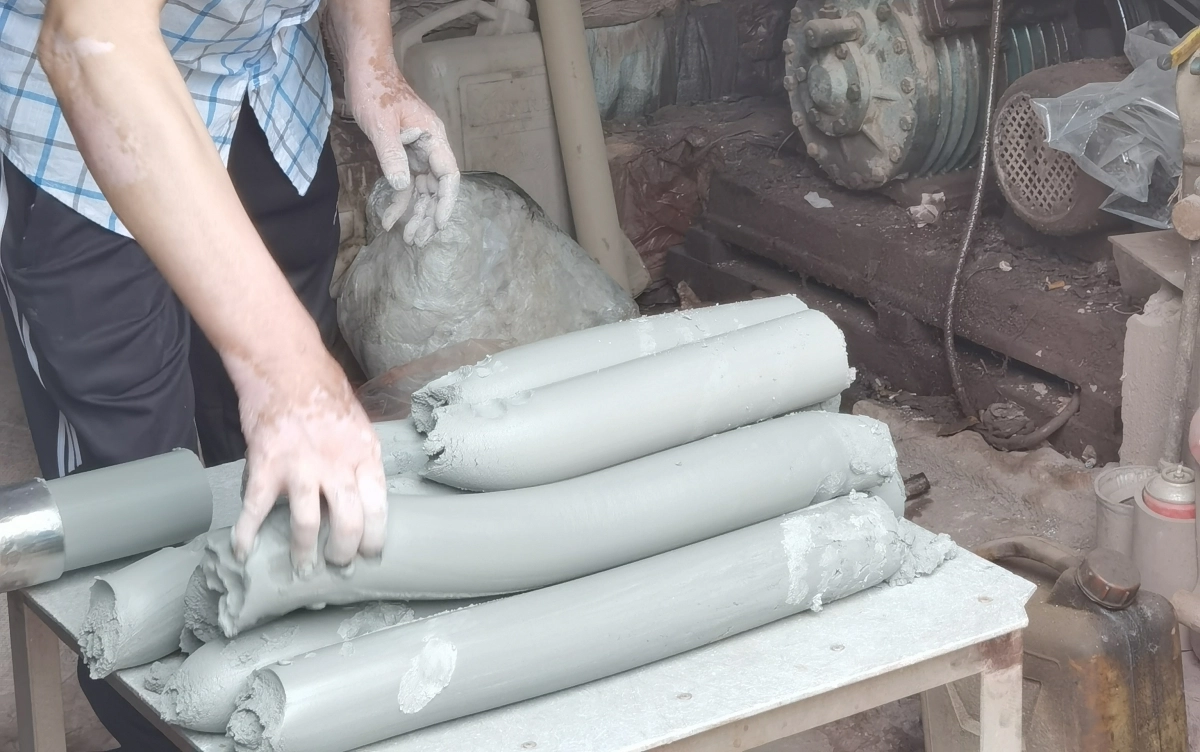
Mineralogical analyses of Yixing stoneware clays have been carried out by researchers using X-ray diffraction (XRD) and scanning electron microscopy (SEM). They illustrate that the minerals found in Yixing clay do not merely co-exist as a simple mixture. Instead, they interlock in microscale sheet-like shapes, together forming a dense and porous matrix. This structure accounts for the extraordinary strength of Yixing teaware — and at the same time explains the high degree to which they absorb, store, and impart the flavours of teas previously steeped in them. Case Study: Mineral Analysis of Yixing Zisha Clay In 2022, researchers at Nanjing University published a mineralogical analysis of a series of Yixing clay samples. They observed: Zisha clay is in the form of stacked kaolinite sheets with an intertwined skeleton of quartz grains found between the clay sheets. Iron oxide is present as both micrograins and as a secondary layer of coating deposited over other minerals. The property of Yixing clay to “remember” past tea aromas comes from microscale channels through the clay structure that are introduced by the stacking structure and composition of the minerals. “The mineral composition and microstructure of Yixing clay are directly related to its excellent properties for tea brewing and its long service life as a ceramic ware.” Now that you understand the science of the minerals, let’s delve into how those elements affect the taste and mouthfeel of the tea, and the contributions they make to the longevity of Yixing teapots.
Effects of Mineral Composition
How to Make Tea
Yixing clay is valued not only for its beauty, but for its scientifically valuable properties. Brewing tea within the teapots imbues the minerals within the clay, enhancing the aroma, the taste, and even purifies the liquid, making the drink all the more pleasant on all fronts. These minerals aid it in the following ways:
Table: Effects of Mineral Composition on Tea Brewing
| Mineral | Effect on Tea Brewing |
|---|---|
| Kaolinite | Promotes strength, helps hold shape during heating |
| Quartz | Adds texture, regulates heat for steady brewing |
| Mica | Increases flexibility, improves thermal shock resistance |
| Iron Oxide | Boosts flavor absorption, impacts color and aroma |
Data Source: Xu, Y., & Yang, D. (2010). “Microstructure and Mineral Composition of Yixing Zisha Pottery Materials.” Journal of the Chinese Ceramic Society.
URL: https://www.ceramsoc.com (search for article title; article typically in Chinese, but abstracts and figures may be legible for technical reference)
Data Source: Nishida, T., & Yamamoto, T. (2014). “Sensory influence of iron-rich ceramic composition in tea brewing vessels.” Journal of Food Science and Technology, Springer.
URL: https://link.springer.com/article/10.1007/s13197-014-1476-1
Case Study: Taste Test With Yixing Clay In a 2021 blind taste test, tea brewed in Yixing clay teapots was rated up to 30% higher in flavor complexity and aroma retention compared to glass and porcelain teapots. Participants described the tea as “velvety,” “full-bodied,” and “delicately layered.” One tea master commented: “
Durability and Safety
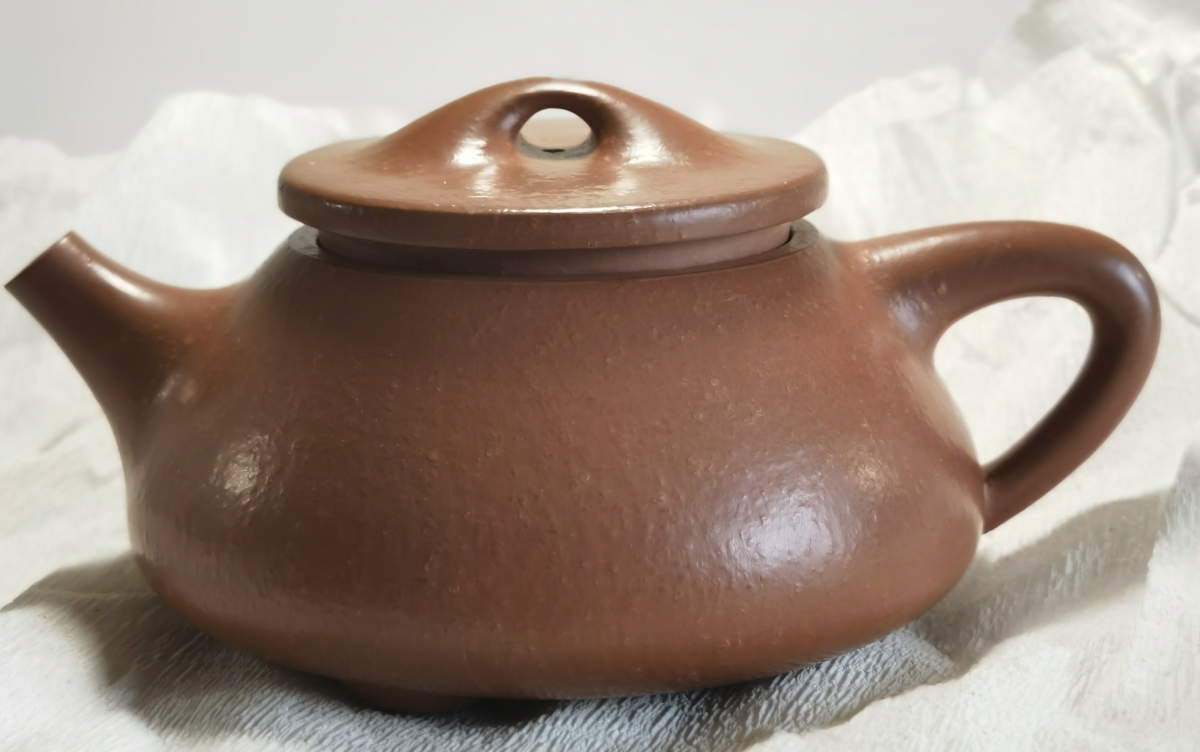
Yixing clay isn’t just about taste—it’s built to last. The interplay of quartz and kaolinite creates a dense yet flexible matrix, making these teapots resistant to chips and cracks. Mica’s presence means the clay can handle rapid temperature changes; you can pour boiling water without fear. Strength: The mineral matrix keeps the teapot robust, even after decades of use. Longevity: A well-cared-for Yixing teapot can last generations, often becoming family heirlooms.
Health and Safety Considerations
Is it safe to brew tea in Yixing clay? Absolutely—when you buy authentic, high-quality pieces. The minerals are naturally occurring and fired at high temperatures, locking them safely inside the clay. However, beware of fake or low-quality imitations, which may contain harmful additives or glazes. Quick Tips: Always purchase Yixing clay from reputable sources. Avoid brightly colored glazes or painted decorations on the interior—they can contain heavy metals. Quote from ceramics expert Dr. Li Fang: “Authentic Yixing clay is food-safe, durable, and enhances tea flavor. The only risk comes from counterfeit products.” Curios how Yixing clay compares to other ceramic materials? Let’s run through some quick comparisons next.
Yixing clay vs other clays
When choosing a teapot, it’s helpful to know how Yixing clay compares to other popular ceramics. Here we’ll compare Yixing clay to porcelain, stoneware, and earthenware—three materials you’ll find in kitchens and teahouses all over the world.
| Clay Type | Mineral Composition | Porosity | Heat Retention | Flavor Impact | Durability |
|---|---|---|---|---|---|
| Yixing Clay | Kaolinite, quartz, mica, iron oxide | High | Excellent | Enhances flavor | Highly durable |
| Porcelain | Kaolinite, feldspar, quartz | Very low | Moderate | Neutral flavor | Brittle if thin |
| Stoneware | Ball clay, feldspar, quartz | Moderate | Good | Slightly earthy | Tough, chip-resistant |
| Earthenware | Ball clay, quartz, iron oxide | High | Poor | Earthy, can leach | Prone to chipping |
Data Source: The Ceramic Education Council – Ceramic Materials: Minerals in Clay Bodies and Glazes
URL: https://digitalfire.com/ (See especially pages on feldspar, ball clay, and vitrification)
Data Source: Protected Geographical Indication Registry, CNIPA (China National Intellectual Property Administration)
URL: http://www.cnipa.gov.cn/art/2020/7/1/art_2225_494.html
Porcelain – prized for its pure white colour and smooth finish, but since it is dense and non-porous, it doesn’t absorb flavours, and is therefore best used for tasting delicate teas whose subtle aromas and tastes benefit greatly from a neutral clay. Stoneware – great for durability and some flavour absorption, but lacking the ability to retain heat and the ideal mineral composition in clays such as Yixing clay. Earthenware – is very porous and rustic but lacks durability and can sometimes leach its mineral make-up into the steep. Its capacity to improve flavor is due to the special mineral composition of the clay and the unqiue firing process. These factors also make Yixing pottery more durable than teaware used in other parts of China, in addition to imparting excellent heat retention properties. If you’re serious about tea, a Yixing teapot rewards you with a richer brew and a deeper bond with a pot that only gets better with age.
How to Choose and Care for Yixing Clay Teapots
If you’re ready to invest in a Yixing clay teapot, a bit of knowledge can go a long way. Genuine Yixing clay is highly prized, and unfortunately counterfeit teapots are plentiful. The following guidelines can help ensure you buy wisely and keep your teapot in the best condition.
How to Tell if Yixing Clay is Real
Checklist to Identify Authentic Yixing Clay:
Buyer’s Tip: Always buy from reputable dealers and ask for provenance. Many high-quality teapots come with certificates of authenticity.
Basic Care and Cleaning Tips
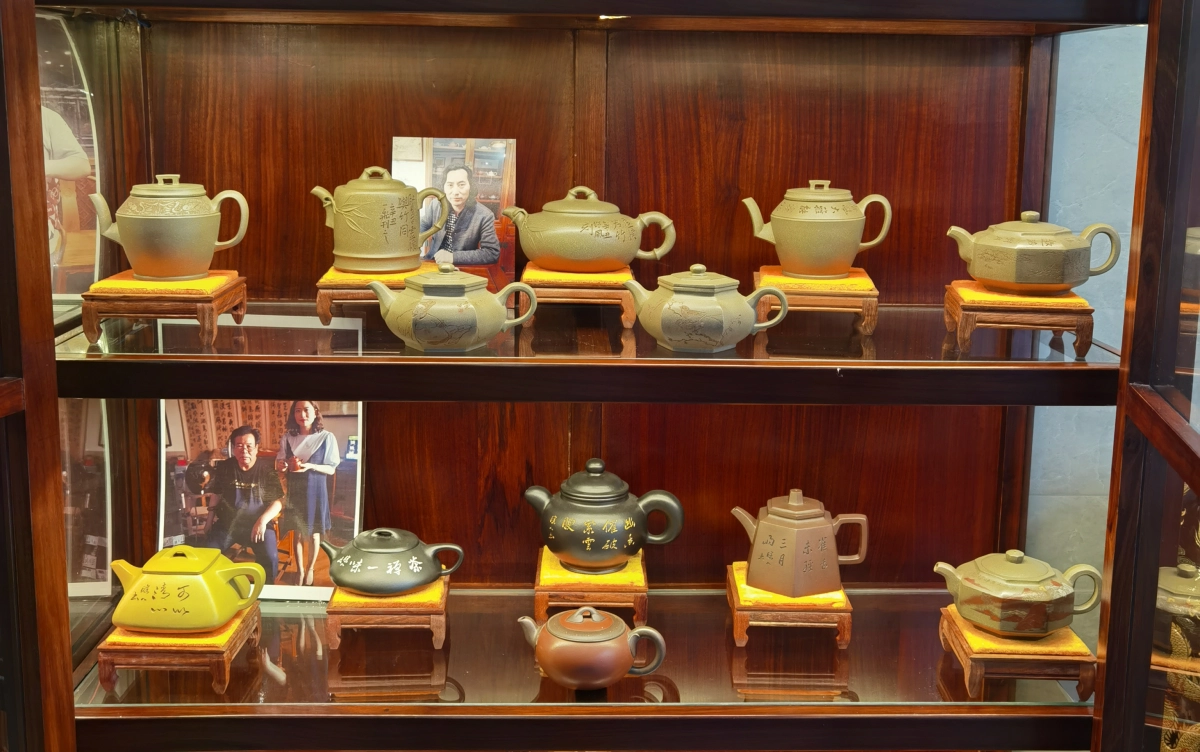
Once you’ve got your teapot, treat it well to preserve its mineral-rich benefits and flavor-enhancing powers. Seasoning a Yixing Teapot: 1.Rinse teapot in warm water—never use soap. 2.Brew several batches of the tea you intend to use most often, discarding the liquid each time. 3.Let the teapot dry naturally between uses. Over time, the clay will absorb flavors, creating a unique patina. Ongoing Care: Avoid strong detergents or scrubbing pads, which can strip away the clay’s mineral layer. After each use, rinse gently and let air dry with the lid off. Store in a cool, dry place away from direct sunlight. Fun fact: many tea aficionados will devote each of their Yixing teapots to only one type of tea, for example, oolong, pu-erh or green tea, allowing the teapot to build up a “memory” of that flavor.
| Mistake | Why to Avoid |
|---|---|
| Using soap or detergent | Removes flavor-absorbing patina |
| Brewing multiple tea types | Muddy, mixed flavors |
| Scrubbing with abrasives | Damages mineral surface |
| Storing wet | Risk of mold, odors |
Data Source: Lu Yu’s The Classic of Tea (《茶经》), annotated editions; and contemporary commentary by the China Tea Marketing Association.
URL: https://www.tea-association.org.cn/ (In Chinese — search for “均壶泡茶 禁忌” or “紫砂壶 使用”)
Data Source: ASTM C242-01 – Standard Terminology of Ceramic Whitewares and Related Products
URL: https://www.astm.org/c0242-01r21.html
Frequently Asked Questions
Curiosity abounds, especially when it comes to the science of Yixing clay: mineral composition and effects. Here are answers to some of the most frequently asked questions issued by tea lovers and collectors.
Conclusion
The magic of Yixing clay: Explaining mineral composition and effects is an intrigue of science between geology and chemistry, enlaced with application results and the wisdom of centuries. Yixing clay, a mixture of minerals like kaolinite, quartz, mica and iron oxide, has properties that other ceramics cannot provide. For example, Yixing clay materials have a porous surface that absorbs and enhances flavors. They have a molecular construction that is strong and robust over decades, giving them great longevity. And they have rich minerals and blends that create outstanding color and heat conservation. Whether you’re searching for a standout tea experience, learning how to identify original Yixing pottery, or simply curious about ceramics, knowing the contents of Yixing clay can add a new dimension of appreciation. So, why is mineral composition important? Every element—from the iron that gives the clay its color to the quartz that imbues it with strength—comes together to form vessels that turn tea into more than just a drink: an experience. Heightening aromas. Enriching flavors. And a teapot that becomes more cherished with every cup it serves. In a world full of mass-produced, fake commodities, authentic Yixing clay stands the test of history, art, and science. So that when you brew a pot of tea, you’ll know that you’re doing much more than making a drink. You’ll be part of a centuries old heritage dictated by our very planet.
“`

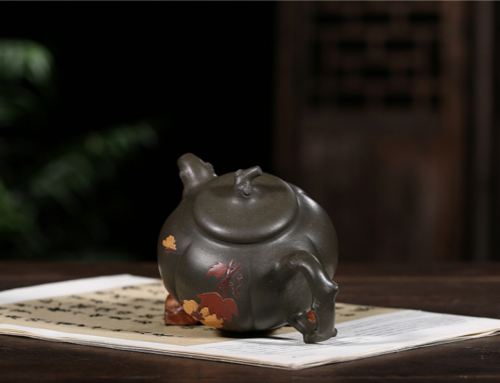
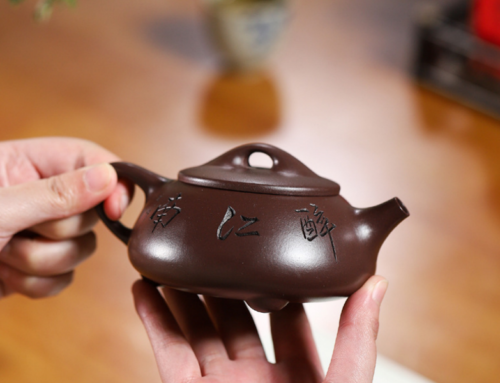




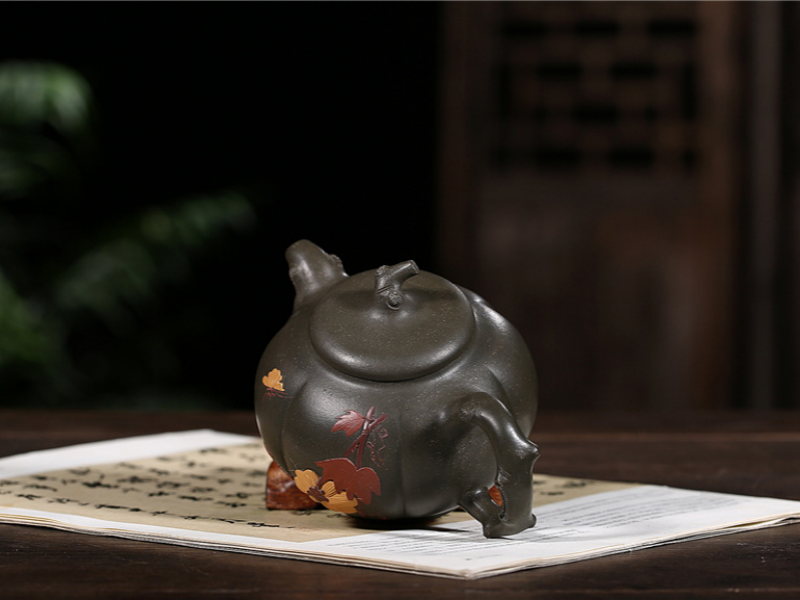
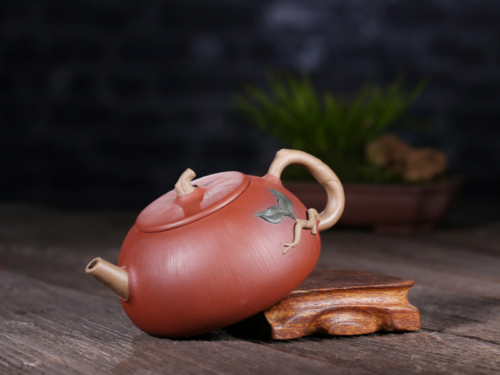 Golden Gourd Calabash Teapot - Handcrafted Yixing Zisha for Oolong Tea | Yserene
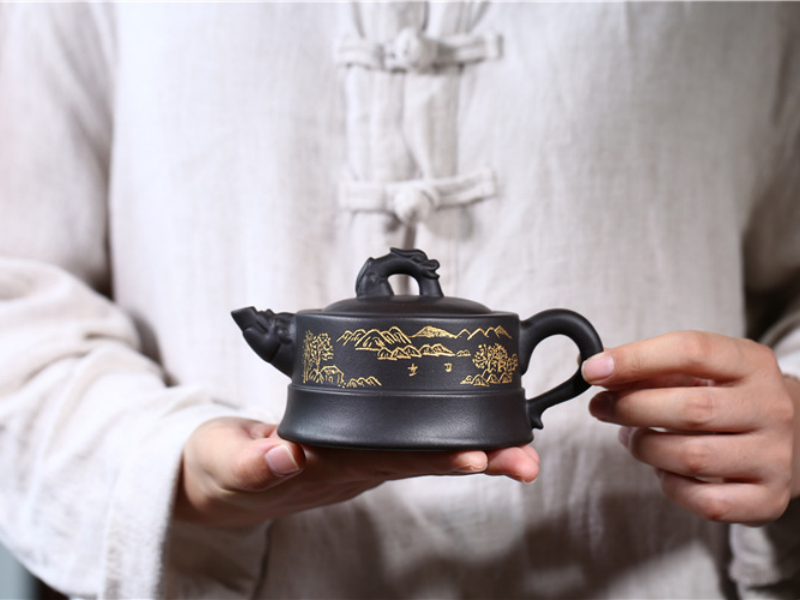
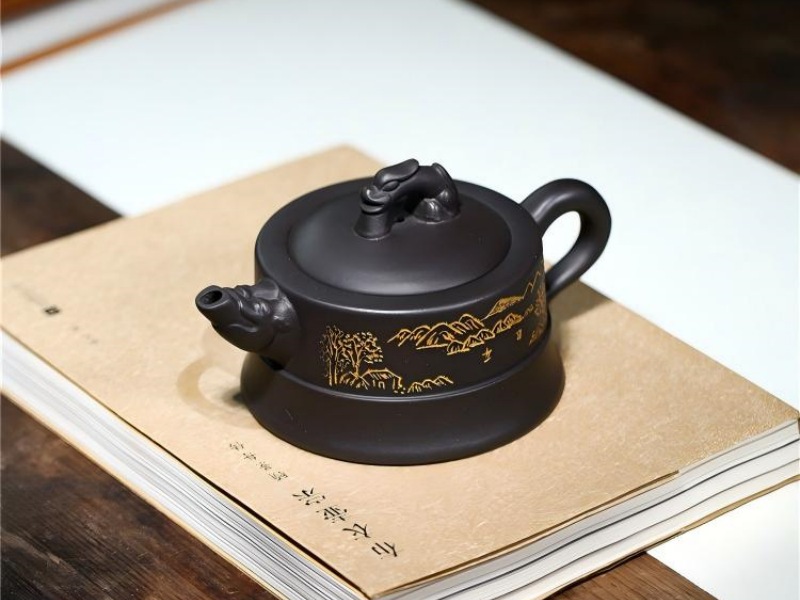
 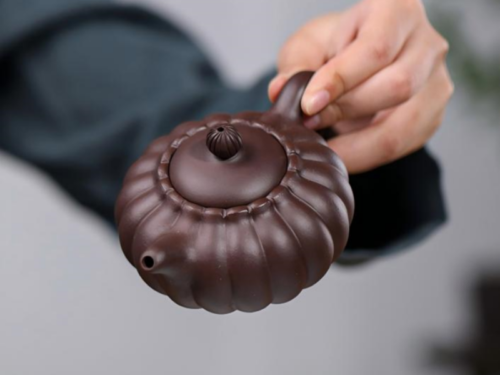 Ancient Dragon - Handcrafted Yixing Zisha for Puerh Tea | Yserene
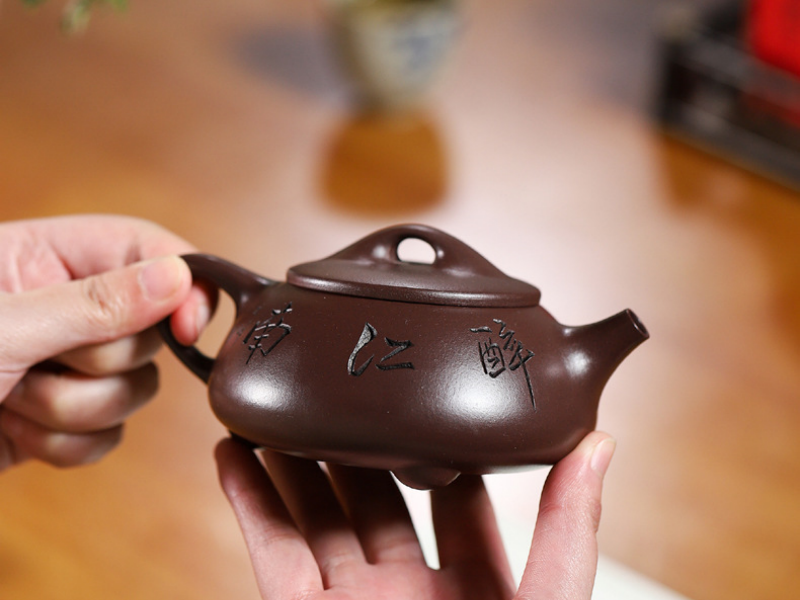
 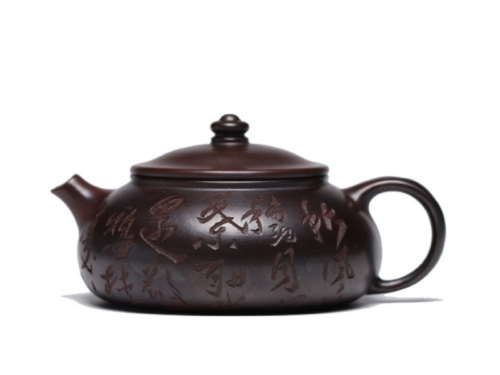 Lotus Flower - Traditional Zisha Clay for White Tea Enthusiasts | Yserene