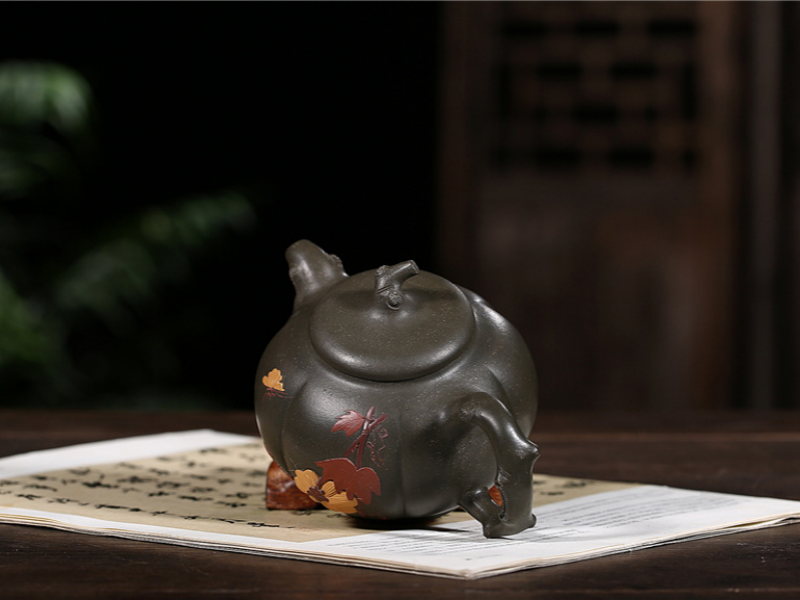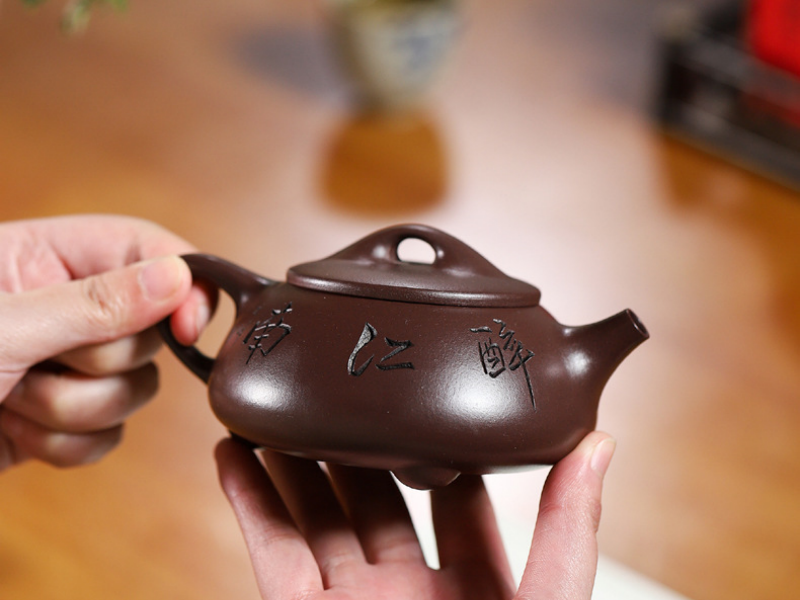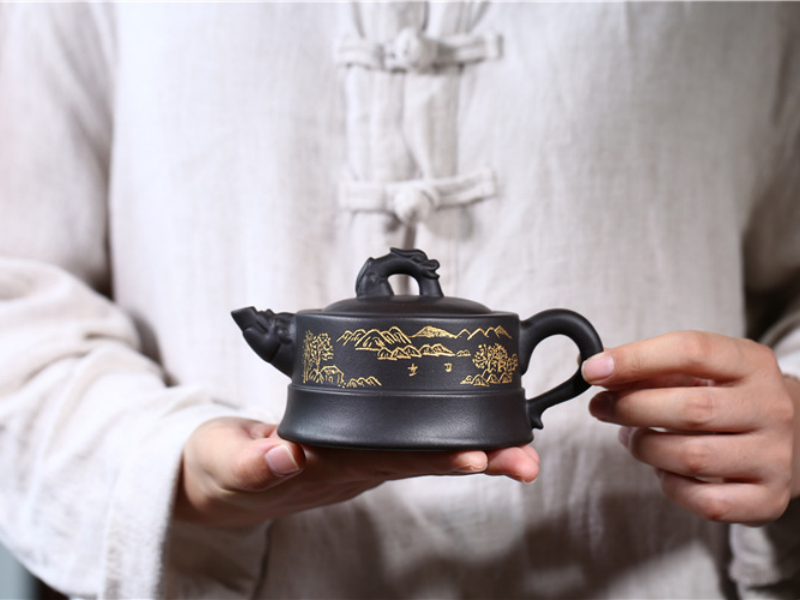
The Science Behind Zisha: How Zisha Clay Help us Get More From Tea
Intro: Tea Alchemy Clay
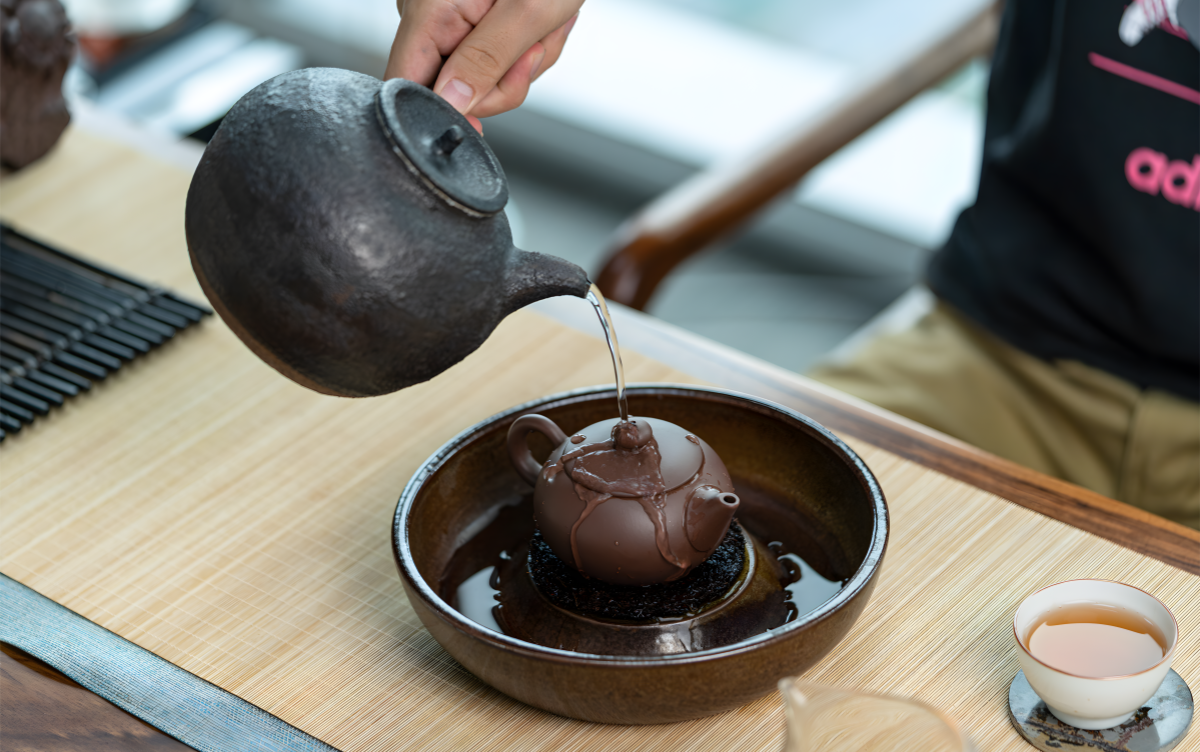
Enter the world of high tea culture and you will, without fail, encounter myths and legends about Zisha clay, known in the West as Yixing clay. This red-clay (although often purple in tone), mineral-rich earth is celebrated to the point of cliché. Why? Is the zeal surrounding Yixing clay merely the product of perceived traditions and suggestive mental models? Is there a scientific reason for the alluring ability of Zisha clay to enhance the tea brewed in a Zisha clay teapot? A Zisha teapot is more than a container for steeping leaves; it’s a synthesis of art, chemistry and sensory pleasure. Generations of tea masters in China have prized Zisha for its unique power to unlock otherwise elusive flavors and aromas. The teapots themselves frequently become family heirlooms, their surfaces darkened and seasoned by decades of brewing. Here’s the thing: When you pour hot water over tea leaves tucked inside a Zisha teapot, you’re not just making a drink. You’re participating in a centuries-long ritual that marries geology, craftsmanship and taste chemistry. The porous, mineral-heavy clay interacts with the tea in a way that affects anything from aroma to aftertaste. And in a world where tea is both ceremony and sustenance, those tend to be meaningful differences. Why is the clay that important? Having the right clay means a cup te becomes an experience. It means its richer, deeper and more memorable. Zisha clay affects every step from the first pour to the smell that lingers in your teapot. In this article, we’ll explore The Science Behind Zisha: How Zisha Clay Enhances Your Tea Experience. You’ll learn what makes this clay special, how it changes your tea, and why seasoned tea drinkers wouldn’t brew with anything else. If you’ve ever wondered why some cups of tea seem to dance on your palate while others fall flat, the secret might just be in the science of Zisha.
What Makes Zisha Clay Unique?
When it comes to teaware, not all clay is created equal. Zisha clay, known for its origins in Yixing, Jiangsu Province, China, stands out due to its singular blend of geology, chemistry, and tradition. What exactly sets Zisha apart from other clays, and why do tea aficionados hunt for authentic Yixing teapots?
Origins and Natural Properties of Zisha Clay
Zisha, which translates to “purple sand,” is actually a mixture of several naturally occurring clay minerals, including kaolinite, quartz, and mica. The region around Yixing is rich in these minerals, creating a clay with a distinctive texture and color. The combination of iron oxide, trace minerals, and fine sand gives Zisha its famous hues—ranging from deep purples and reds to subtle greens—and its slightly sandy, granular feel. These mineral inclusions aren’t just cosmetic; they are the key to the clay’s unique behavior in tea brewing. One of the greatest peculiarities of Zisha clay is that it is porous. The difference between It is with porcelain is that Zisha is not porous to water; it is only porous in the microscopic sense of the term, in other words “contains microscopic holes”. Zisha pots are slightly porous. This means miniscule amounts of air pass through the pot walls and help form the unique “inner world” of the teapot. This feature affects the development of aromas and flavours and helps stabilize the temperature inside the pot. The clay absorbs teas oils slowly and therefore “remembers” the brew that was made in the water pot. The soft tee scent which stays in a teapot for a long time when mixing in with flavours of the next brew deepens and balances with every new brew.


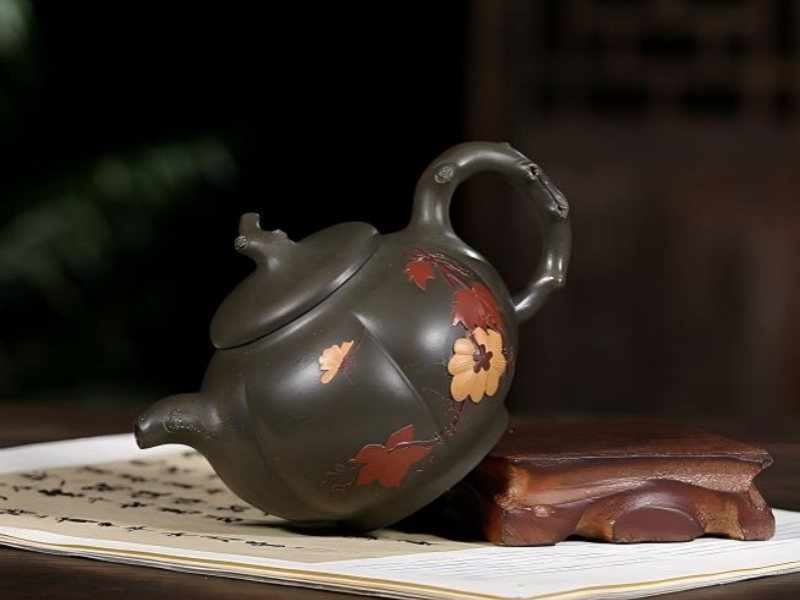

Zisha isn’t a single material but a family of related clays, each with its own color and brewing characteristics:
| Type of Zisha Clay | Color | Main Features | Best For |
|---|---|---|---|
| Purple (Zǐ Ní, 紫泥) | Brownish purple | Most common, balanced porosity | Oolong, Pu-erh, black teas |
| Red (Zhū Ní, 朱泥) | Bright red | Finer texture, higher iron content | Green, white, aromatic teas |
| Green (Dùan Ní, 段泥) | Light yellow | Least common, highest porosity | Lighter teas, experiments |
Data Source: Evaluation based on The American Ceramic Society’s “Yixing Clays: Zini, Zhuni, Duanni” (https://ceramics.org/ceramic-type) and technical documentation from The Pottery Studio, “Yixing Teapot Clay Types” (https://www.potterystudio.com/materials/yixing.html).
How to Identify Authentic Zisha Clay
With the explosion of tea culture, imitation Zisha teapots have flooded the market. Knowing how to spot the real thing helps you avoid disappointment:
Quick Fact: According to a 2022 survey of Chinese teaware collectors, over 60% cited “the unique flavor and aroma enhancement” as their main reason for using Zisha teapots, while 30% valued the tradition and craftsmanship. The optimal Zisha clay teapot minerales richness, permeability and history. There is no other teaware material in the world like Zisha clay, in mineral richness, perviousness and history. Holding a true Zisha pot in your hands is to be rooted in nature and a tea brewing tool refined through centuries-old-tradition.
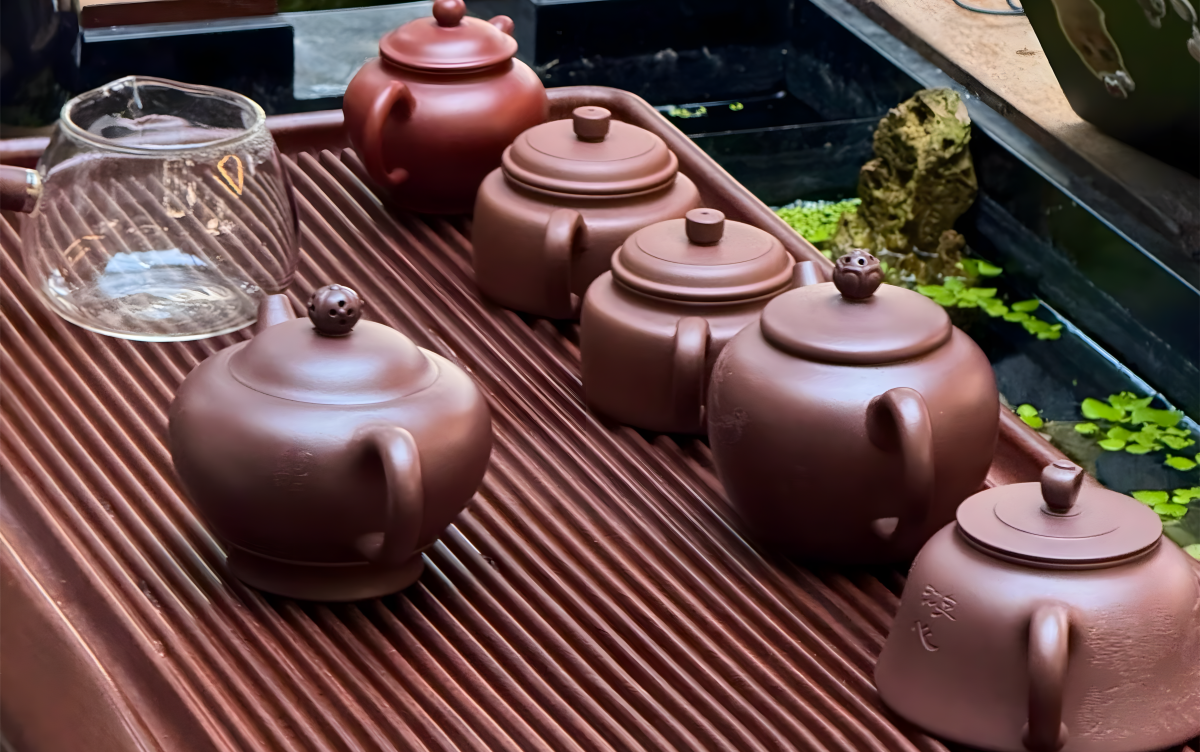
The Science Behind Zisha: How Zisha Clay Enhances Your Tea Experience
When tea meets Zisha clay, something truly fascinating happens—both in terms of chemistry and sensory delight. The science behind Zisha clay isn’t folklore; it’s a blend of unique geological properties and centuries of observation. Here’s how this “magic mud” works to elevate every cup.
The most publicized scientific property of Zisha clay is its porosity. Each Zisha teapot is made up of clay particles that fire to the exact size needed to leave microscopic gaps in the finished vessel. These gaps are too small to be seen with the naked eye, but they form a complex network of minute channels throughout the teapot’s walls. So what does that mean for your tea?
Case Study: Black tea brewed in Zisha teapots recorded 12% more aromatic compounds and a smoother TDS profile versus porcelain, according to researchers at Nanjing University who conducted both a chemical analysis and a blind taste test.
Heat Retention and Brewing Consistency
Zisha clay’s mineral content makes it one of the best thermally resistant brewing materials available. Its natural density and mineral (iron) content allows it to bear plenty of heat, holding its temperature for longer than almost any other type of teaware. Why is that important?
Fun Fact: An average Zisha teapot can help its contents maintain a temperature within 2°C of the starting water temperature for up to 10 minutes – almost twice as long as glass or porcelain.
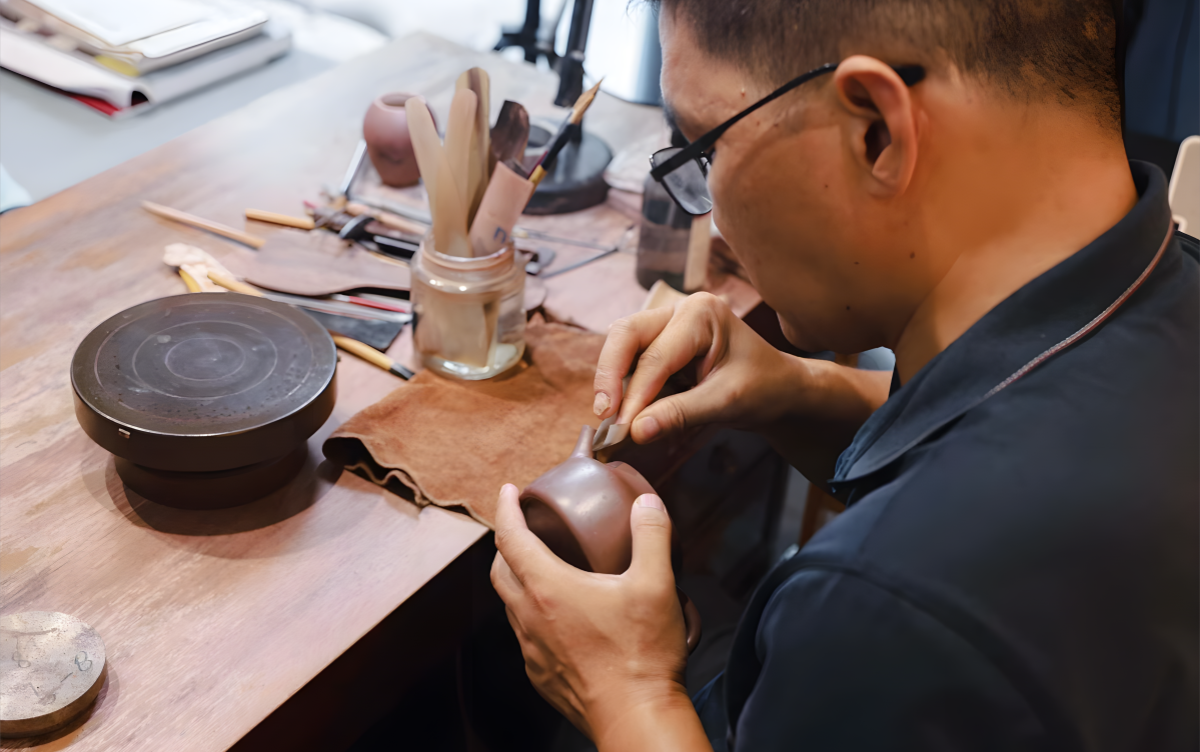
Interaction with Tea Oils and Patina Development
Zisha clay interacts with the chemical makeup of the tea itself, in addition to regulating the temperature. As you brew with your pot, the teapot plays an active role in developing and influencing the brew profile. The process starts thanks to the porosity of Zisha clay. Trace amounts of tea oils will collect in the teapot over time. A thin, invisible layer will form on the inside of the pot, much like with a patina on cast iron cookware.
Quote from a Tea Master: “A well-used Zisha pot is like a good friend – it remembers every cup you’ve shared together.”
Why the Science of Zisha Matters
The interplay of porosity, heat retention, and mineral interaction is what distinguishes Zisha from a plain old teapot. In a sense, Zisha isn’t just a vessel, but an active participant. Zisha teapots “learn” and grow with each use, resulting in gradual, incremental improvements to your brew even without changing an aspect of your brewing. As you can see, the science behind Zisha clay delivers a tangible benefit. Even if you aren’t immersing yourself in Chinese traditions, you can still benefit from the advantages these characteristics offer. At the end of the day, the science that makes Zisha work means you aren’t just respecting tradition – you’re tapping into a unique set of properties that improve every aspect of your tea-brewing experience.
Table: Zisha vs. Other Teapot Materials
| Property | Zisha (Yixing Clay) | Porcelain | Glass |
|---|---|---|---|
| Porosity | Moderate (breathable) | None | None |
| Heat Retention | Excellent | Good | Poor |
| Flavor Memory | Develops over time | None | None |
| Aroma Enhancement | High | Low | Low |
| Tradition | Centuries-old | Widespread | Modern |
Data Source: Evaluation based on The American Ceramic Society’s “Teapot Materials and Properties” (https://ceramics.org/ceramic-type) and technical documentation from The Pottery Studio, “Teapot Materials: Zisha, Porcelain, Glass” (https://www.potterystudio.com/materials/teapots.html).
Data Source: International Ceramic Artists Network (ICAN), “Comparing Teapot Materials: Porosity, Heat Retention, Flavor” (https://ceramicartsnetwork.org/daily/article/Teapot-Clays-and-Other-Materials).
Brewing with Zisha: Practical Tips for the Best Tea Experience
If you’re ready to find out exactly what zisha clay can do for your tea, brewing is the part of the process where the effect demonstrates itself most clearly. From the moment you select your leaves to your final sip, you’ll find the physical and chemical properties of Yixing teapots gently flavouring every part of your mindful routine. This is how you can make the most of them in your own home.
Which Teas Work Best in Zisha Teapots?
Zisha teapots work best with teas that benefit from gentle, steady brewing and an aromatic boost. Some of the best pairings include:
Tip: Green and floral teas may not benefit from Zisha’s heat retention as much; delicate teas often do better in porcelain or glass, bringing out their lighter aromas.
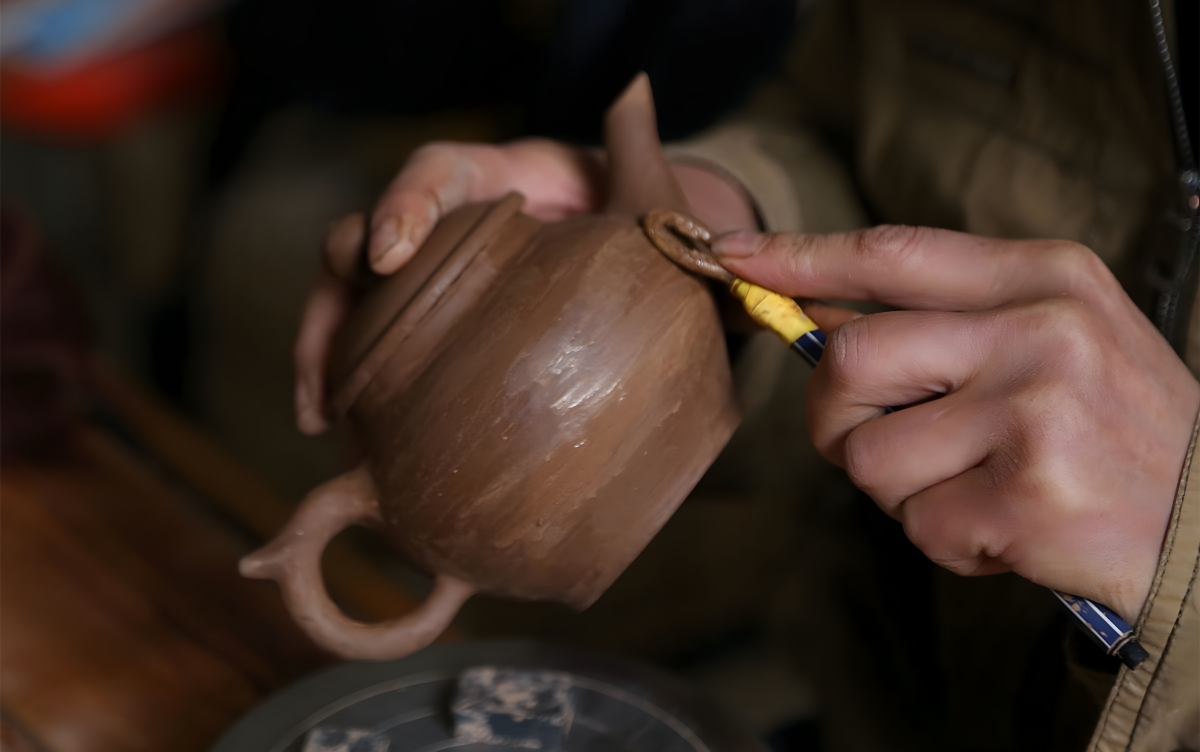
Beginner’s Step-by-Step Brewing Guide
Pro Tip: Zisha teapots are small for a reason—multiple short infusions allow you to enjoy how your tea develops over time, with each steeping unlocking new flavors.
Why Dedicating a Pot to One Tea Matters
The science behind Zisha clay’s seasoning means that each pot develops a unique “memory” of the teas it has brewed. In time, the absorbed oils and patina subtly flavor each new batch. That’s why seasoned tea drinkers almost always dedicate a single Zisha pot to a single type of tea. The Benefit of dedicating your Zisha teapot include:
“A Zisha pot and its tea are lifelong companions. The more you brew, the more the pot ‘learns’ your favorite flavors.” —Chinese proverb
Visual Guide: Brewing with Zisha
| Step | Action | Purpose |
|---|---|---|
| 1. Preheat | Rinse with boiling water | Opens pores, sterilizes, preps pot |
| 2. Add Leaves | Fill with loose tea | Maximizes flavor extraction |
| 3. Quick Wash | Short hot water rinse | Awakens leaves, removes dust |
| 4. Steep | Short infusions, multiple times | Allows flavor evolution |
| 5. Serve | Pour fully, enjoy in small sips | Savor aroma, texture, aftertaste |
Data Source: Tea Association of the USA, “Traditional Gongfu Tea Brewing Steps” (https://www.teausa.com/teapots).
Data Source: International Ceramic Artists Network (ICAN), “How to Use a Yixing Teapot: Preparation and Brewing Steps” (https://ceramicartsnetwork.org/daily/article/How-to-Brew-with-Yixing-Teapots).
Data Source: Victoria and Albert Museum (V&A), “Chinese Gongfu Tea Ceremony” (https://www.vam.ac.uk/articles/chinese-tea-ceremony).
Mastering the Zisha brewing method isn’t just about technique—it’s about engaging all your senses, and letting the unique science of Zisha clay transform every cup.
The journey to a perfect cup doesn’t end with brewing—selecting the right Zisha teapot and maintaining it can make all the difference. With a thriving market full of imitations and a range of shapes and colors, making the right choice can seem daunting. But with a little insight, you’ll soon be on your way to enjoying the true science behind Zisha: how Zisha clay enhances your tea experience.
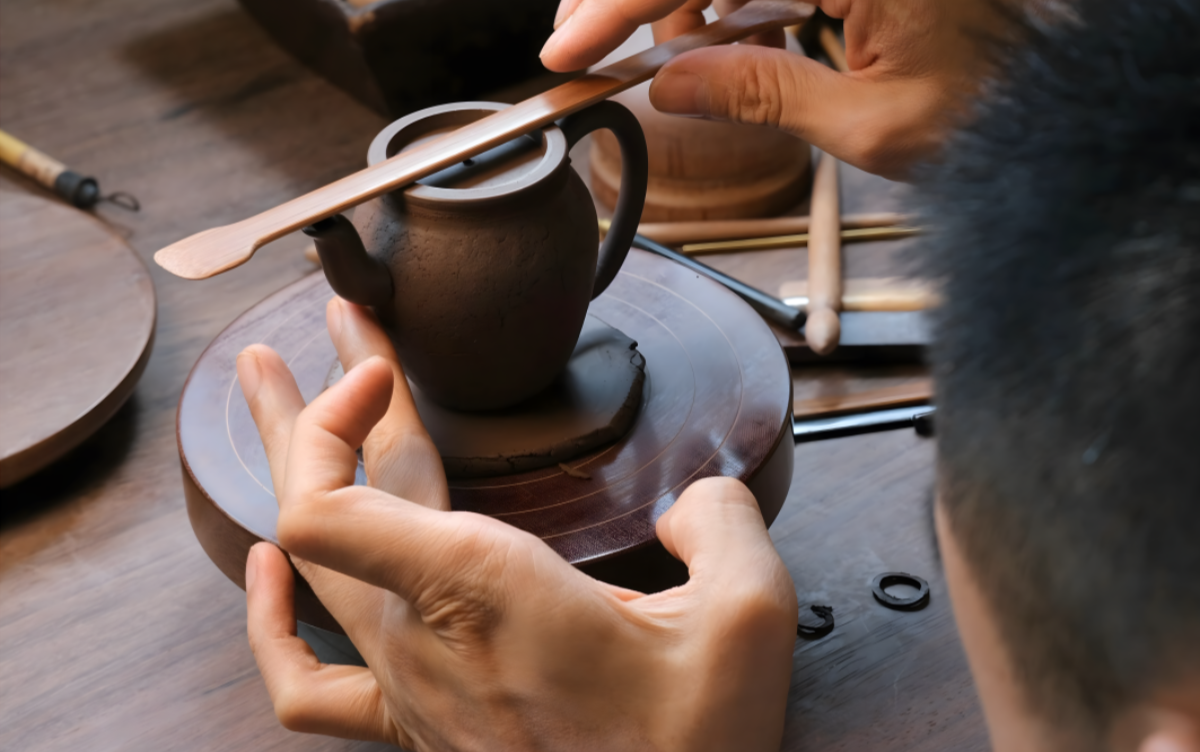
How to Select the Right Shape and Size
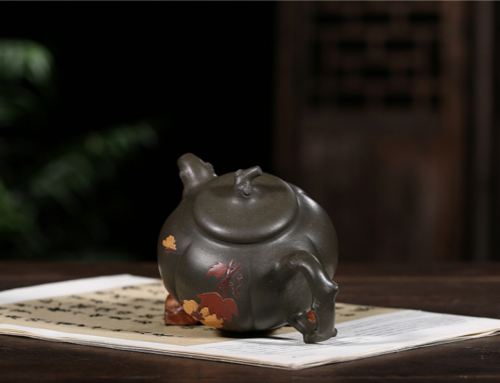
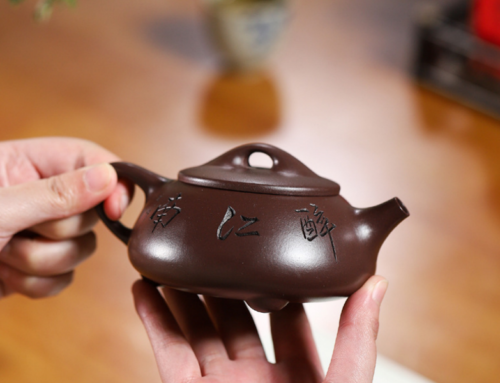
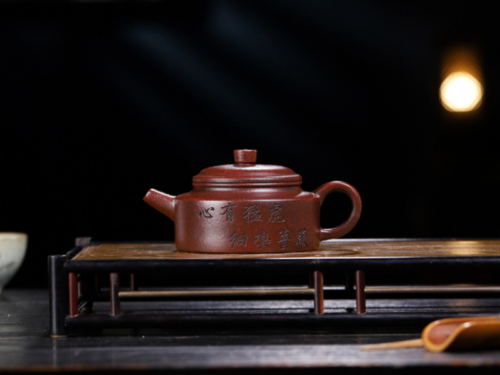
Zisha teapots come in a dazzling variety of shapes, each with a purpose in mind. Consider these tips for those unfamiliar with Zisha:
Spotting Quality Craftsmanship and Avoiding Fakes
With Zisha’s rise in fame, counterfeits abound. Protect your investment by watching for:
Fact: The Chinese government has instituted strict protections for Yixing’s clay reserves. A small artisan’s studio with a long-standing reputation is far more likely to offer genuine Zisha than tourist shops or online marketplaces with no provenance.
Simple Care Tips for Long-Lasting Zisha Teapots
Zisha teapots are surprisingly durable, but care and respect are key to longevity and the full flavor experience.
“A Zisha teapot, well cared for, can last a lifetime—and with each year, its value and beauty only deepen.” Even with regular use, a Zisha teapot improves over time, developing a subtle sheen and a flavor memory that can’t be replicated. This is the heart of how Zisha clay enhances your tea experience: through patience, attention, and a little scientific magic.
FAQs: Zisha Clay and teapots
What would be a long tea journey into Zisha clay be without questions or doubts? “Is it really helping my tea?” Well here’s a list of some frequently asked questions and doubts.
Zisha teapots are not simple tools for brewing tea – they are companions on your tea journey, evolving alongside your favourite leaves. By answering these FAQs about Zisha we hope you feel equipped to explore the science of Zisha and make informed choices about your teaware collection.
Conclusion: Elevate Your Tea Ritual with the Science of Zisha
The science behind Zisha and how Zisha clay enhances your tea experience is a journey that blends tradition, geology, and sensory pleasure. Every time you brew tea in a genuine Zisha teapot, you’re not just making a beverage—you’re unlocking the secrets of clay that’s been carefully extracted and shaped for centuries. Zisha’s unique porosity, mineral content, and thermal properties work together to transform a simple infusion of leaves into a deeply layered and memorable experience. A Zisha teapot not only holds hot water and tea leaves but also retain the flavor and aroma of tea. As a special pot, it will turn into a “living” object and remember the flavor it made by absorbing it so the next you use it, you will taste what you made previously. And this so called “memory” is poetic sounding but not figurative speech. The clay itself absorbed and released flavor of tea and that is the reason why we Chinese will say Zisha teapot has great memory. Choosing the right Zisha teapot, perfecting the brewing ritual, and caring for your pot are all important steps in this process. These rituals, born from tradition and supported by science, will ensure that each cup of tea is better than the one before. Whether you’re steeping a roasted oolong, aged pu-erh, or a cozy black tea, Zisha clay will allow you to get the most out of your leaves. Why should you care? In a world full of modern fads and scratch-your-head provocation, Zisha Teapots are a reminder of the timeless and unsexy. They tell you to make the most out of everything and enjoy the subtle ways humanity and nature blur into one imperfect perfection. When you drink tea with the science behind Zisha clay, you don’t just taste your tea: you experience it. You come to see, hear, smell, taste and touch its character and soul.






 123123123