Yixing teapot collecting beginners’ guide: from starters to pros
Introduction
Wondering how to collect Yixing teapots? Whether you’ve only just discovered the uniqueness of these clay beauties or have already amassed a few on your shelf, Yixing teapot collecting attracts tea lovers, history lovers, and art collectors alike. These iconic teapots, created from the legendary Zisha clay of Yixing, China, have captivated collectors for centuries with their beauty, skilled craftsmanship, and near-magical ability to enhance tea’s flavour. But why do so many people, from average drinkers to the one percent, find themselves obsessed with Yixing teapots? Their one-of-a-kind combination of beauty and utility. Yixing teapots aren’t just eye candy—they’re alive! They soak in the subtleties of the tea you drink with every new brew, creating a patina and character that help define the history you hope to curate—not just collect. To put a finer point on it, we’ve broken down some big reasons why the world’s top collectors hold Yixing teapots in such high regard.


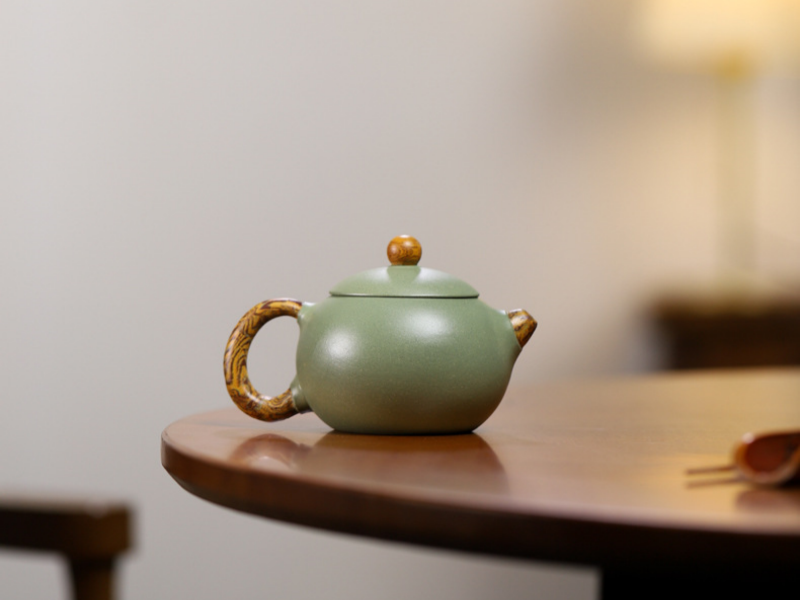

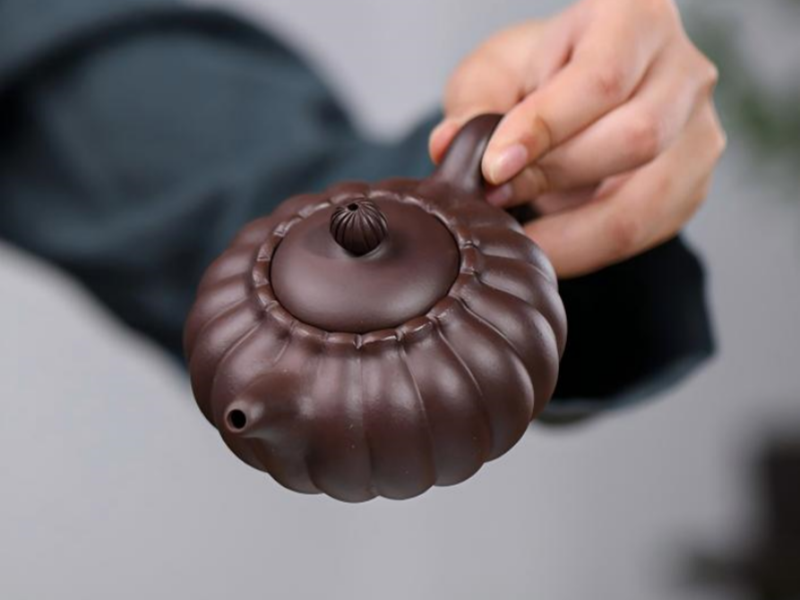
Why Are Yixing Teapots Prized by Collectors?
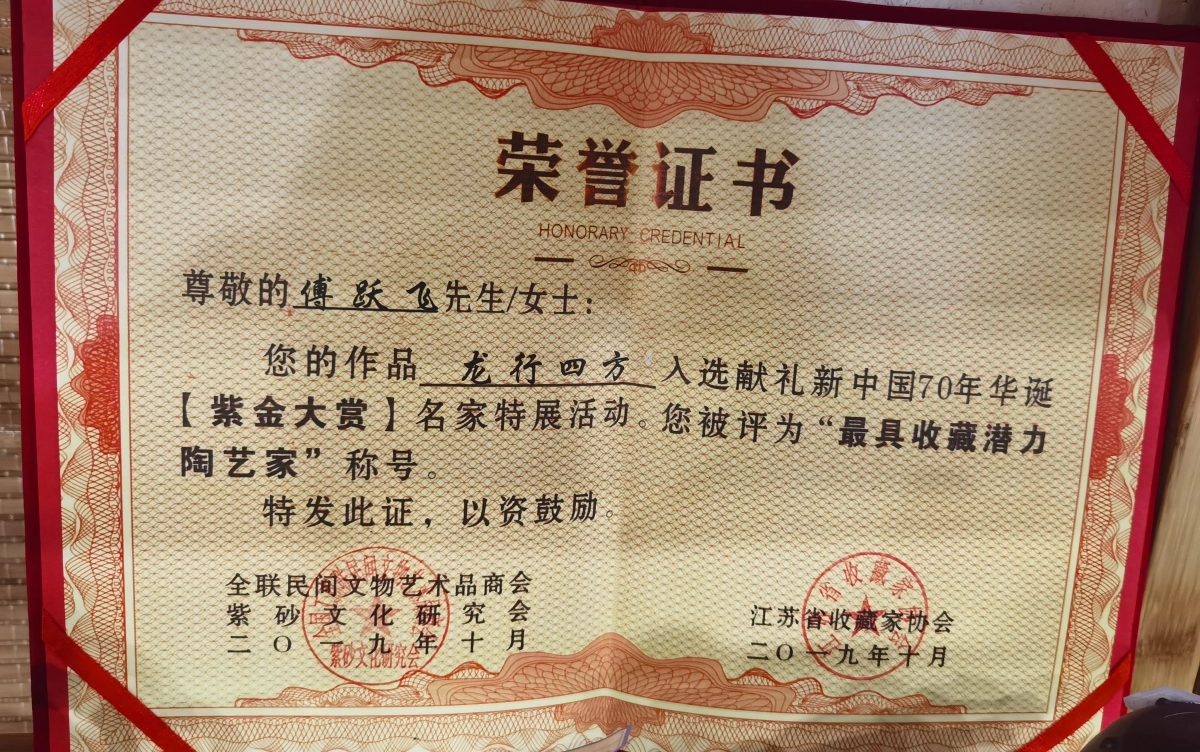
Case Study: A collector reportedly paid over $10,000 for an aged antique Yixing teapot by the master artist Gu Jingzhou. It represents a piece of history, culture and craftsmanship that goes beyond a simple teapot. This kind of collector’s story reminds us why collecting can become an obsession and how valuable Yixing teapots are as a family heirloom. Fact: There are over 1,000 recorded Yixing teapot shapes, according to the China National Tea Museum. The art of collecting Yixing teapots is not simply a hobby. It is coalescence of aesthetics and artistries, tradition and recognition, and philosophy and deep-rooted tea techniques. This path warmly welcomes amateurs and experts alike.
What Makes Yixing Teapots Special?
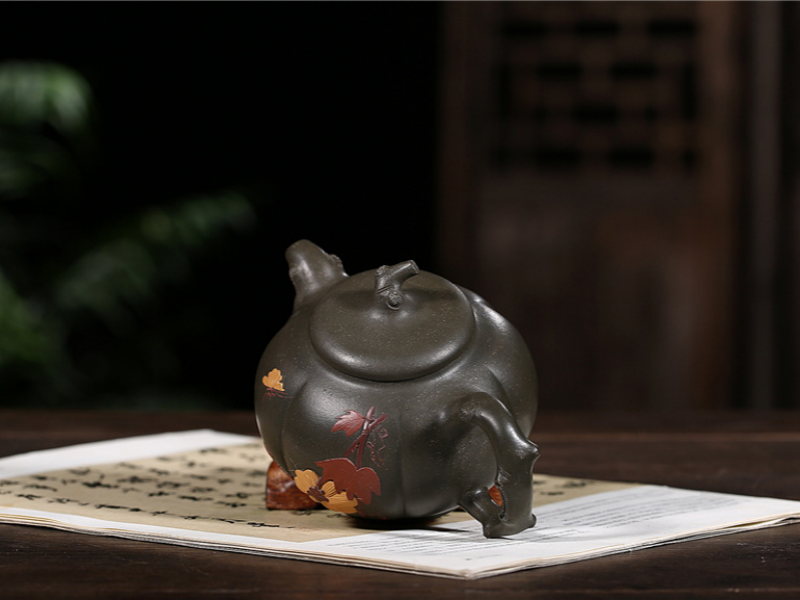
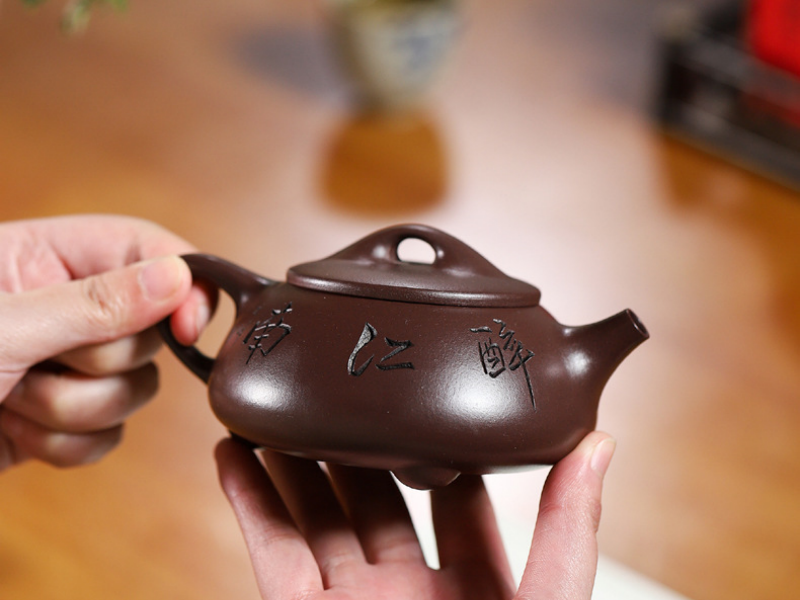
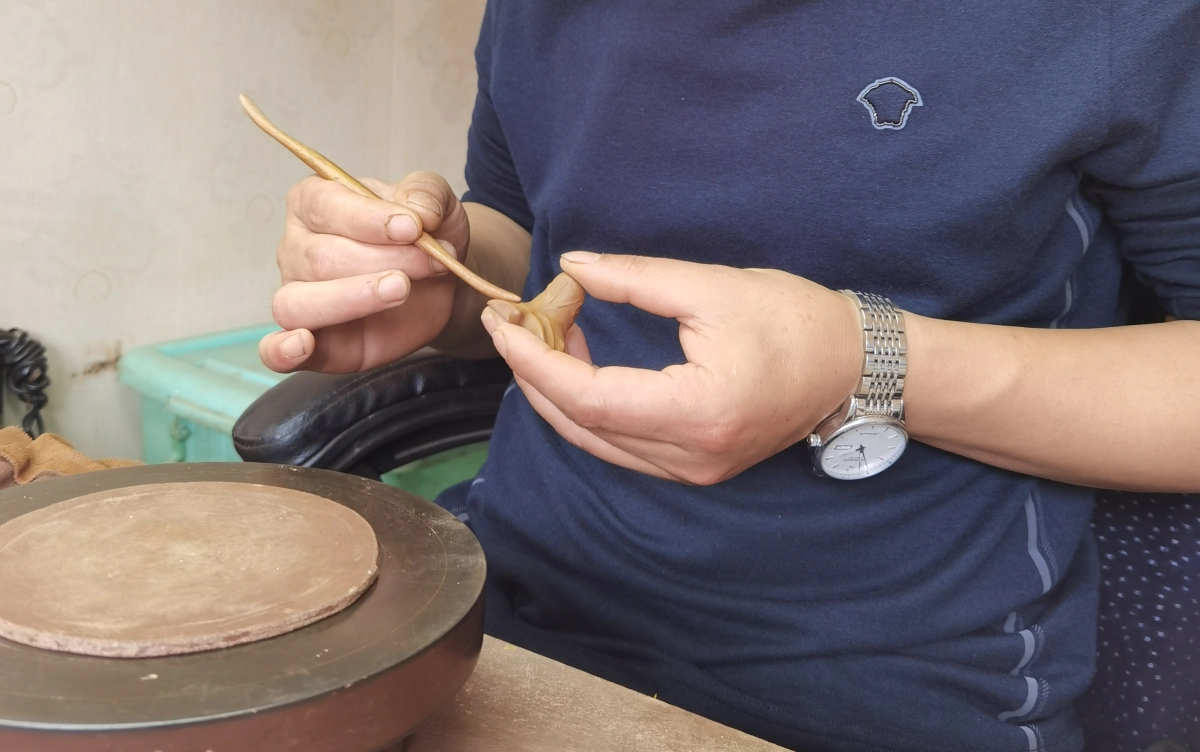
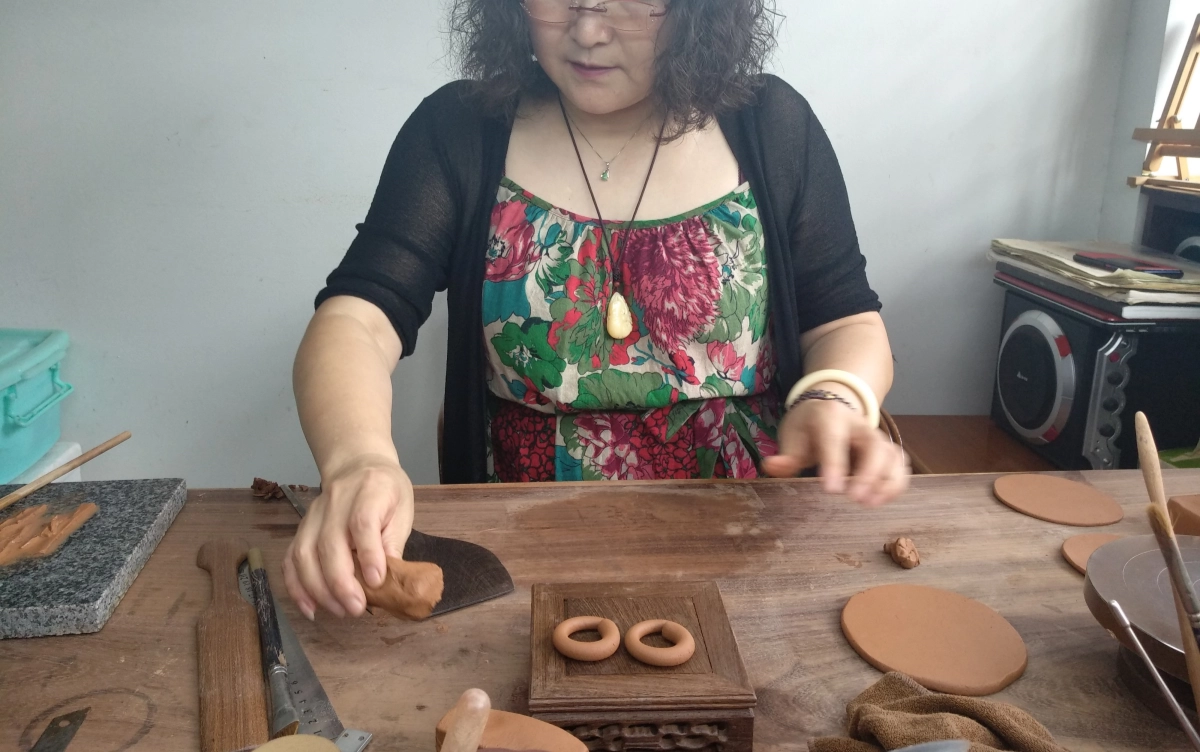
Yixing teapots are different from all other teapots in the world. The first thing that makes them different is the clay itself. The clay comes from the mines of Yixing, China. Known as “Zisha” or “purple sand”, the clay has a strange mineral composition that makes it unique in all the world. Full of iron, quartz, and kaolinite, the clay has a slightly rough feel to it and a somewhat dull, earthy color. Some common shades you’ll see in teapots are a deep purple, red, yellow or a sturdy, chocolate brown. Craft Yixing teapots are often made by hand by an artisan. Each pot is hand-formed, hand-shaped, and hand-carved by without molds and forms so no two teapots are ever alike. The artist will frequently inscribe his or her signature or mark upon the bottom of the pot, denoting it as an originally made piece. Each piece is at once functional ware for brewing tea and an art piece for display. Some of the most well-known master potters have even been known to craft teapots that go to auction for hundreds and thousands of dollars. Porosity Yixing clay has an unique porosity property that is unlike other clays and earthenware. The naturally found clay is unable to be glazed, and the specially designed matte surface of Yixing teapots readily takes on the flavor of tea that is brewed in it. Through use, the teapot develops what is referred to as a “patina”, a shiny build-up of the essence of tea throughout years of use. Collectors may spend years building up a patina upon their teapot, and the quality of the patina itself is seen as a testament to the quality of both the clay itself as well as the act of tea drinking.
How Yixing Teapots Improve Tea Taste
The chemistry of Yixing teapots is straightforward and brilliant at the same time. The porousness of the clay absorbs the flavors of the tea, seasoning the teapot. Infusions of tea will draw out fresh layers of flavor again – with hints of previous brews. For this reason, most collectors keep a separate teapot for each type of tea. Green, oolong and pu-erh being the most common types, but otherwise, the flavors can blend together.
| Clay Type | Color Range | Texture | Best For: |
|---|---|---|---|
| Zisha (Purple) | Purple, brown | Fine-grain | Oolong, Pu-erh |
| Hongni (Red) | Red, orange | Smooth | Green, black tea |
| Duanni (Yellow) | Yellow, beige | Coarse-grain | Fragrant teas |
Data Source: Yixing Zisha Museum Official Portal – Cultural and practical use of different Zisha clays including comparisons of texture, ideal tea type pairings, and changes in porosity due to clay composition
URL (Museum Info): http://www.yxyxsm.com/
Data Source: “The Art of Yixing Teapots” – Research publication by China National Arts and Crafts Institute, covers historic use and classification of Zisha clays
Archived Summary: https://www.china-craft.org.cn/ (Search for 《宜兴紫砂》)
"Yixing teapots are living objects. The more you use them, the more they become a part of your tea ritual." — Tea Master Lin Yun To summarize: Yixing teapots have rare clay, are crafted by artisans, and have a seemingly alchemic ability to enhance the flavor of tea. The combination of these factors is treasured by new and veteran collectors, alike. Yixing teapot collecting is a hobby of tradition, craftsmanship and sensory delight garnered in each and every pot.
The best way to start your yixing teapot collection
Ready to begin your Yixing teapot collecting adventure? The first step is tracking down a teapot worthy of collecting. And while there are plenty on the market…not all Yixing teapots are made equal. Or worth collecting. Here's how you can set yourself up for success when collecting Yixing teapots for the first time (or hundredth).
Where to Buy Real Yixing Teapots
| Source | Pros | Cons |
|---|---|---|
| Tea shops | Expert advice, in-person examination | Smaller selection |
| Online sellers | Wide variety, convenience | Can't examine in person |
| Auctions/fairs | Rare finds, networking | Higher prices, competition |
Data Source: China National Light Industry Council (CNLIC) – Reports on artisanal product sales channels (e.g., Yixing teapots, ceramics)
- Highlights tea fairs and cultural expos as premium spaces for networking and collecting rare items, with notes on pricing competition and collector demand.
- URL (CNLIC official site): http://www.cnlic.org.cn
Data Source: Journal of Chinese Tea Culture Studies – University-based research on purchasing behaviors and cultural experiences associated with tea utensils
- Analyzes consumer behavior in different retail environments, including interviews and surveys from tea fair attendees, online buyers, and in-store collectors.
- URL (Example index): https://www.cnki.net (Search:《中国茶具消费文化研究》)
How to Identify Real vs Fake Yixing Teapots
Unfortunately, there are many false claims in the world of Yixing teapot collecting. Mass-produced teapots made with poor quality clay perform worse and bear no artist marks. But here's how you can avoid disappointment:
Quick Tip: Hold the teapot up to the light. While Yixing clay is dense, it's also slightly translucent. You may see a little light glowing through the very thinnest points of the teapot.
Recommended First Yixing Teapots for Beginners
New to Yixing teapot collecting? Go with a classic shape like the "Xi Shi" or "Dragon Egg." These shapes have stood the test of time. Choose a teapot between 100ml and 200ml. That's a good size for brewing alone or with a few others.
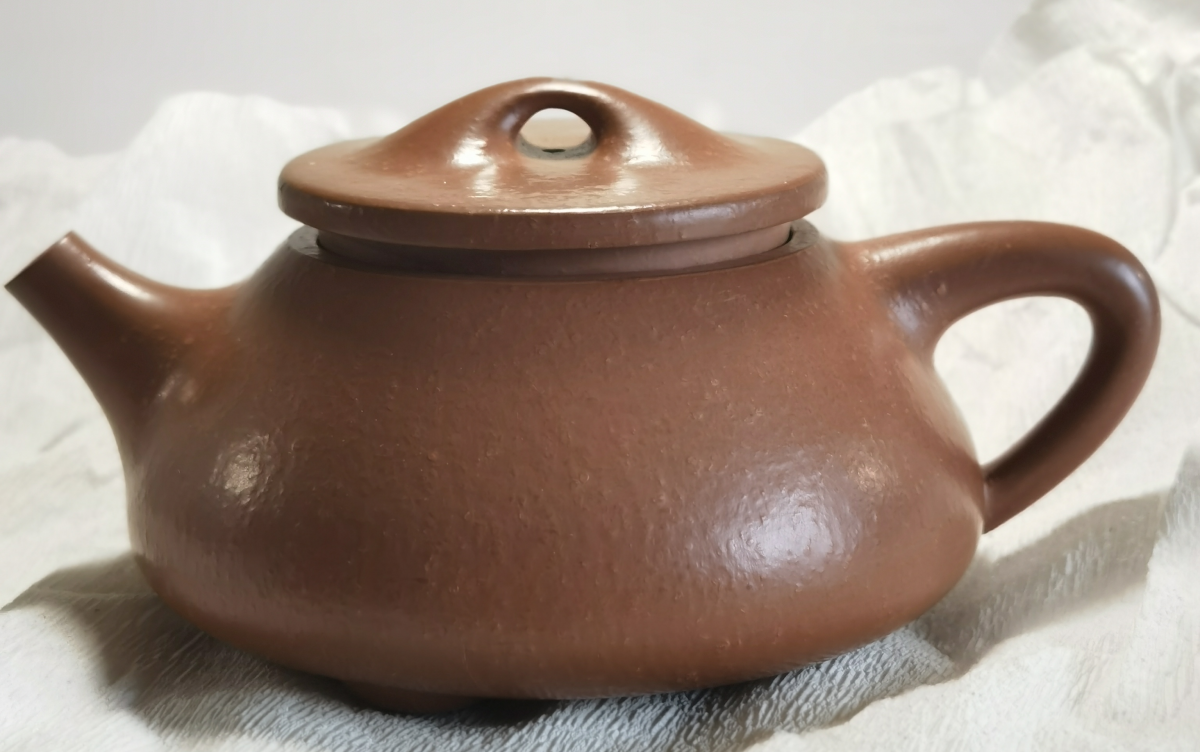
Fact: Many seasoned collectors advise only brewing one type of tea (oolong, pu-erh…) in your first Yixing teapot. This promotes a deep seasoning and prevents clashing flavors.
Most Common Yixing Teapot Buying Mistakes
Case Study: A collector new to Yixing teapots purchased a "Yixing" teapot online for $25. However, the clay was dyed—not purple clay—and the teapot worsened the taste of the tea. But once she switched to a certified teapot from a tea shop in town, her tea tasted and collected better. To summarize: Go slow, buy smart, and don't hesitate to ask questions. The joy in collecting Yixing teapots is finding ones that have history, character, artistry…and soul.
Tips for veteran collectors
After collecting for a while, finding a rare gemstone is a bittersweet feeling. As you move on from collecting pots for beginners, your focus shifts towards prized possessions: hard-to-find pots, teapots signed by artists, and antiques with a story to tell.
Recognizing rare and prized Yixing teapots
Once a collector has graduated to veteran status, the tiniest of details can evidence a Yixing teapot's rarity and value. Collectors buy pots based on four principle points:
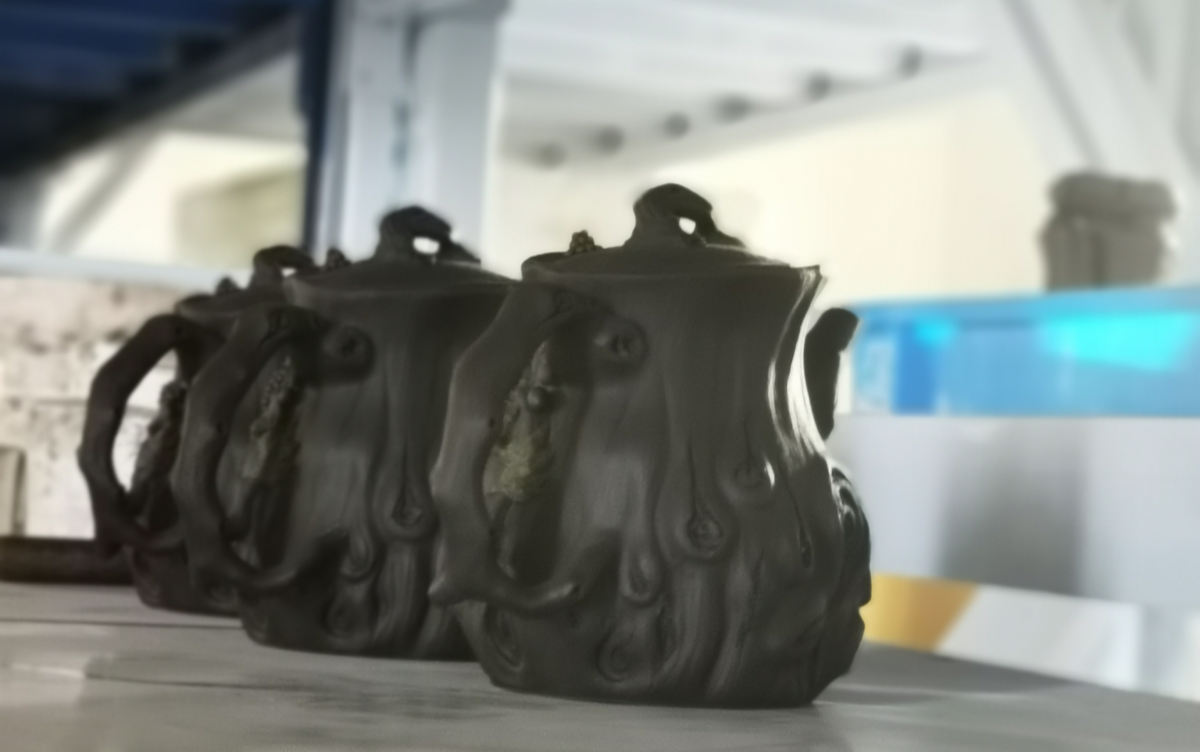
Fact: A 19th-century Yixing teapot with gathered provenance sold at auction for $18,000 according to 2022 Sotheby's auction; such is the power of documentation and history.
Yixing teapots as an investment: pros and cons
| Factor | Influence on Value | Pro Tip |
|---|---|---|
| Artist Signature | Very High | Consult authenticated sources |
| Antique Classification | High | Check for an aged patina |
| Quality of Clay | High | Older Zisha clay is desirable |
| Design/Shape | Moderate | Look for unique traditional shapes |
| Provenance | Very High | Retain all documentation |
Data Source: Yixing Zisha Museum and Archives — Clay Classification Registry
- Discusses the geological origin and aging of Zisha clay, noting that pre-2000 sourced clay is considered more valuable due to mine closures and mineral quality
- Also explains the aesthetic and functional superiority of well-aged clay
- URL: http://www.yxyxsm.com/
Data Source: UNESCO Document on Traditional Chinese Craftsmanship
- Highlights the cultural value of traditional shapes and design vocabulary such as "Shi Piao", "Xishi", and "Ruyi" in teapot creation
- These traditional forms increase cultural significance and collector appeal
- URL: https://ich.unesco.org/en/lists
Famous Artists and Signature Marks
A handful of artists have become famous for their unparalleled skill in creating Yixing teapots. Recognizing their work on sight is an important skill for experienced collectors.
"Every Yixing teapot carries the spirit of its maker. To hold one is to hold a piece of living history." — Collector Wei Sheng As you continue honing your abilities, keep in mind that Yixing teapot collection is about more than simple numbers. Done well, it will improve your appreciation for tea culture, history, and the humble art of clay. Each new item is another chapter in the tale of your collection.
Caring for Your Yixing Teapots
Owning a Yixing teapot is only the first step; it is through caring for your Yixing teapot that the true magic of the teapot takes shape and real lifelong friendships begin. Properly looking after the teapot can not only retain its original beauty, but it will add depth to the characteristics of the clay. So whether you have a burgeoning collection or a handful of cherished favourites from your travels, following the correct care instructions will ensure your Yixing teapot will last for decades.
Seasoning and Cleaning Your Yixing
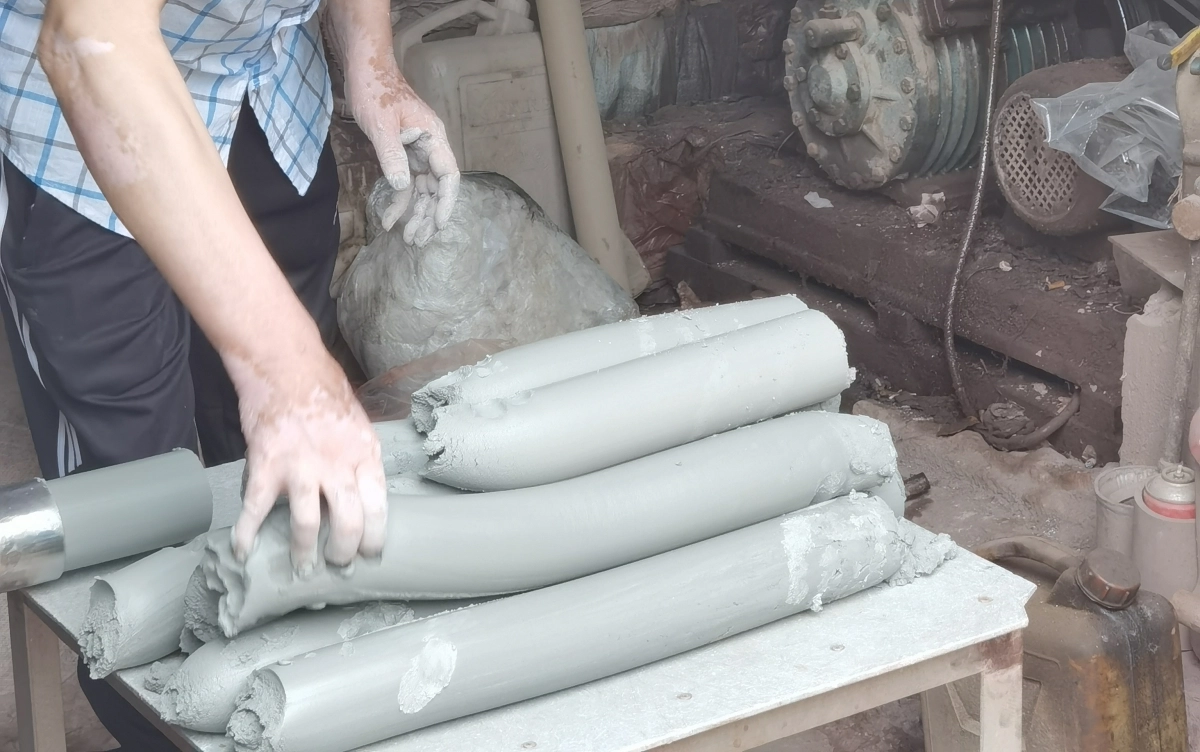
Seasoning: this is the process of preparing your new Yixing teapots as it begins its life with tea. Yixing teapots absorb the flavour of tea and build up a Patina. You want to make sure you do that from a pristine point. Follow these steps:
Fact: The best seasoning for Yixing teapots is created over time as the clay develops a unique shine and aroma fitting the tea it is dedicated to. Many people consider it a badge of honour. After using your Yixing teapots, always rinse with hot water and never use detergent. Let the teapot air-dry. Ensure the lid is removed to avoid odour retention. Using a soft, lint-free cloth, gently wipe your teapot as required.
Storing Your Collection
"Treat your Yixing teapot like a living thing. It grows with every cup, and with gentle care, it will reward you for years" — Artisan Chen Hua The patina is the soul of a Yixing teapot collection. You want to avoid anything that would strip back the flavours and defects in the teapot's clay. Use hot water and never any cleaning products. Avoid extreme changes of temperature (such as rinsing cold with hot water) as it can crack and ruin the teapots appearance. Use regularly, patina builds with use. Don't let your teapots gather dust. In summary: Caring for your Yixing teapots requires a tender touch and respect for the cultural heritage of the clay. This gentle ritual will not only offer pride and pleasure as you see your collection age and develop new layers of flavour and history. But also you will retain the quality of your Yixing teapots for another lifetime.
Brewing with a Yixing teapot is not just about making tea but preparing it in a way that unlocks the fullest potential of flavors in your selected tea. It's a ritual and an experience. Beginners and experienced collectors of Yixing teapots alike enjoy the process knowing each brew adds to the character of the teapot. Let's talk about how to make the most out of your teapot every time you steep.
Teas for Yixing Teapots
Chinese teas that benefit from re-brewing and gentle heat retention pair well with Yixing teapots. Unglazed clay interacts with the tea inside, heightening the brewed aroma and flavors.
Most collectors choose to keep a dedicated teapot for only one type of tea to prevent flavors from mixing. This practice also speeds up the seasoning of tepots for an indidividual tea.
Easy Brewing Methods
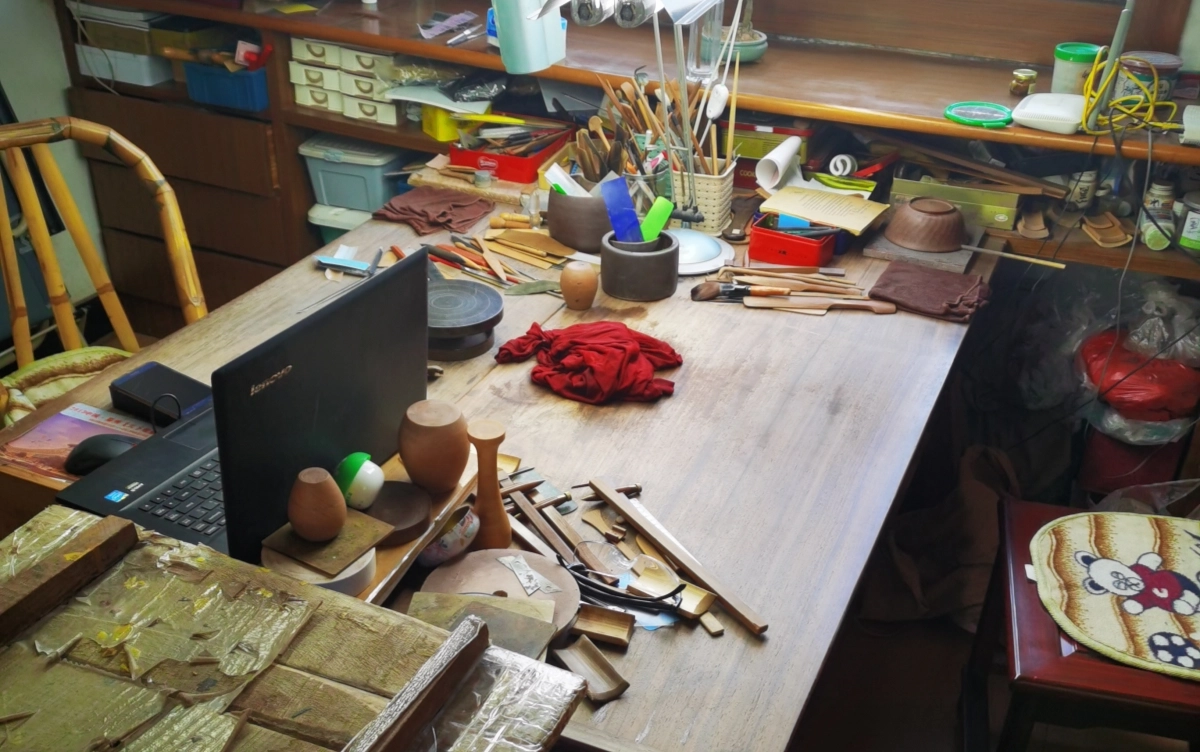
If you put into practice this simple method of making tea with a Yixing teapot, you'll find it intuitive and functional for practically any aspiring collector.
For many collectors, brewing tea with a Yixing teapot is a ritual and a meditation. The traditional Chinese tea ceremony that uses small Yixing teapots (gongfu cha) promotes brewing tea in many, short infusions that highlight the changing profile of tea and the Yixing teapot's effects.
| Step | Action | Purpose |
|---|---|---|
| Warm Pot | Swirl with hot water | Even temperature |
| Add Leaves | Fill 1/3 of pot | Flavor intensity |
| First Steep | 10–20 seconds, pour out | Wake up leaves |
| Multiple Steeps | Increase time by 5–10 seconds each | Build complexity |
Data Source: UNESCO — Intangible Cultural Heritage: Traditional tea processing techniques and associated social practices in China
- Recognizes gongfu tea ceremony as a living heritage, highlighting steps such as pre-heating the pot, initial rinse ("awakening the leaves"), and incremental steeping for complexity.
- URL: https://ich.unesco.org/en/lists (search: “China tea processing techniques”)
Data Source: China Tea Marketing Association (中国茶叶流通协会) — National Guidelines for Brewing Gongfu Tea
- Describes optimal water temperature management, leaf-to-pot ratios, and how repeated brewing extracts layered flavors over many infusions.
- Official brewing instruction manuals are often based on this standard.
- URL: http://www.ctma.com.cn/ (Search: 冲泡方法 & 工夫茶标准)
Brewing tea with a Yixing teapot is the most essential part of collecting. Each pot opens the door to a deeper appreciation of the teapot and tea, revealing tastes and aromas that become part of the memory of your Yixing teapot.
Frequently asked questions
Every collector faces some pressing questions about collecting Yixing teapots no matter their stage in the journey. Let's dive into some of the most frequently asked questions, giving you clear action-oriented answers that ensure you receive maximum exist from your collection.
In conclusion: These questions cover most of the most important decisions in Yixing teapot collecting, with a little bit of research and a little bit of patience you'll be able to avoid the most common pitfalls of new teapot collectors and build a collection that's as rewarding as it is beautiful.
```

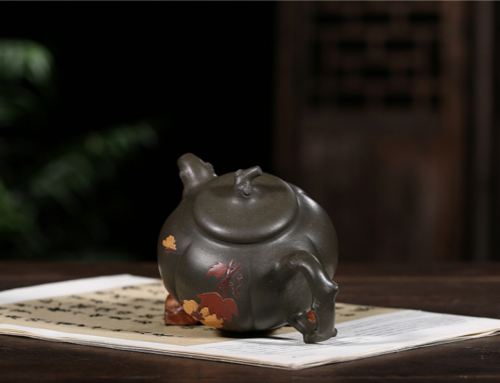
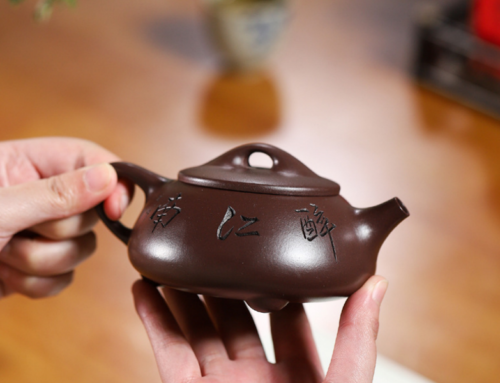




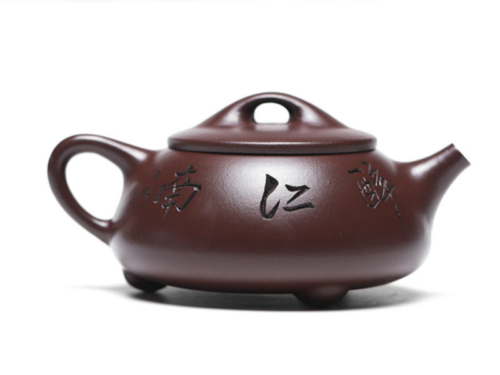 yixing ware teapots