Yixing Zisha Teapot – Timeless Beauty
Introduction
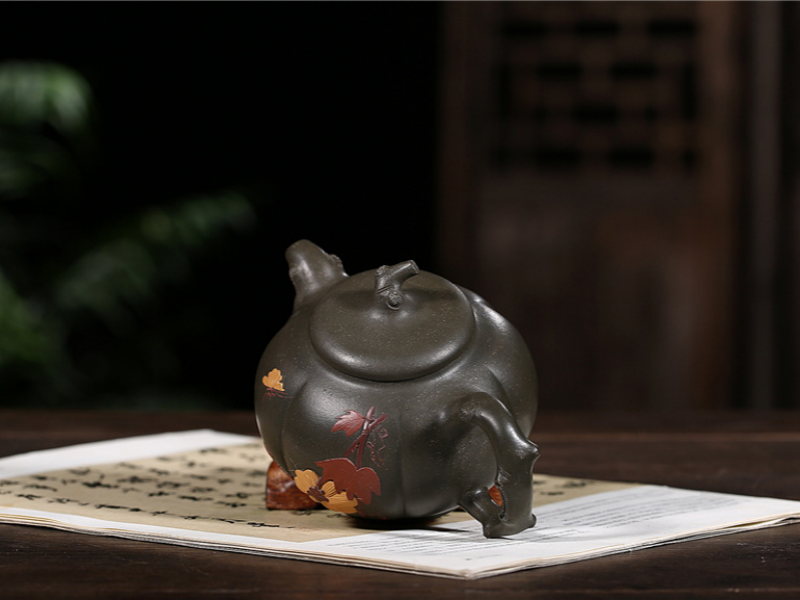
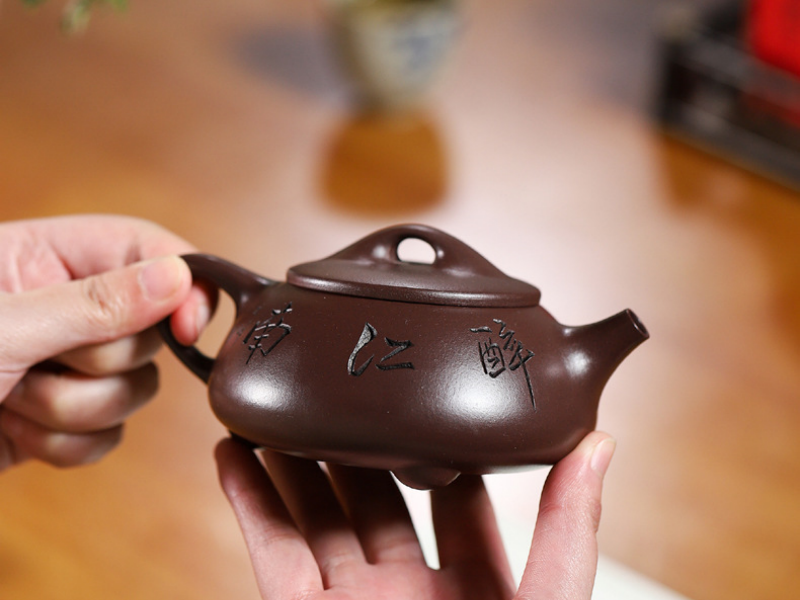
Made from a special type of clay – also known as Zisha, “Purple Sand” – only found in Yixing, China, the Yixing Zisha Teapot has been captivating tea lovers and collectors from all over the world for centuries. With its porous composition, the teapot “remembers” the taste of tea with continued use, thus improving its palate over time and rendering it much more than a sturdy vessel. This characteristic coupled with the artisan’s skillfulness and aesthetic charm, has made the excellent Yixing Teapot travel the world over and keep the company of collectors and artisans through serene brewing sessions or a simple friendly chat.
In this blog post, we’ll look at everything you need to know about Yixing Zisha Teapots. We’ll explore the fascinating history of Yixing Zisha Teapots and the incredible artistry in making them. We’ll also look at the distinct features that set these pots apart and the reasons you might want to consider Yixing Zisha Teapots in your tea ware collection, if you haven’t already, whether you’re a seasoned tea lover or a simply a curious traveler.
History and Origin of Yixing Zisha Teapots
The Birthplace: Yixing, China
The origin of the Yixing Zisha teapot can be traced back to the Jiangsu Province in China, specifically in Yixing, a small town which has abundant natural reserves of “Zisha”, literally known as “purple sand clay”. The fine texture and excellent natural properties of this clay makes it the ideal material for making teapots. The discovery of Yixing Zisha clay can be dated back to the Song Dynasty (960–1279) however, it rose to popularity only during the Ming Dynasty (1368–1644).


History
The turning point of Yixing Zisha Teapot production appeared in the Ming Dynasty. Bureaucracy-rich Ming Dynasty’s tea-drinking method changed from the previous once to the practice of powdered tea, using loose tea leaves, direct brewing of leaves, and teapot tea making — though the likes of which have never been formally created in Yixing nor been officially practiced. Yixing’s craftsmen capitalized, producing teapots later ranging from creative and decadent choices, such as, ducks, to standard ones.
Since the beginning from the Qing Dynasty (1644–1912) to the present time Yixing teapots were treated as status symbols. Scholar literati and aristocrats were convinced of the balancing effect Yixing teapots had on tea, but also the sophistication and cultural erudition they reflected in their owners. In their writings they praised these vessels for their complement to the process of drinking tea enjoyed by people of refined tastes, and for their simple beauty.
Cultural allusions
Yixing Zisha Teapots are an integral part of Chinese tea culture and occupy an irreplaceable position in the gongfu tea ceremony. They are valued not only for the unique characteristics and practical performance of tea-making but also for their artistry. With beautifully simple, unglazed shapes with gravitas, Yixing Zisha teapots themselves subtly but distinctly echo a variety of themes from nature, Chinese philosophy or lore.
Interesting facts about Yixing Zisha Teapots
Types Of Yixing Zisha Clay And Benefits Of Each
Purple Clay (Zi Sha)
Purple clay is the most widely used type of Zisha clay. This type of clay is known as”Zi Sha” 節沙. The natural color of Purple clay teapot is dark brown to reddish purple. Its natural color is dark brown to reddish-purple. making the clay pots look warm and earthy. Other than its dominating earthly appearance, the highly porous natural zisha clay has made them also known for their superior ability to absorb the taste of tea in contact. This means that the essence of the drinker’s tea is effectively strengthened, making the resulting brews richer and more complex. Purple clay is the most popular clay to use when preparing pu-erh tea and black tea that are darker. Also, purple clay has a strong permeation ability.
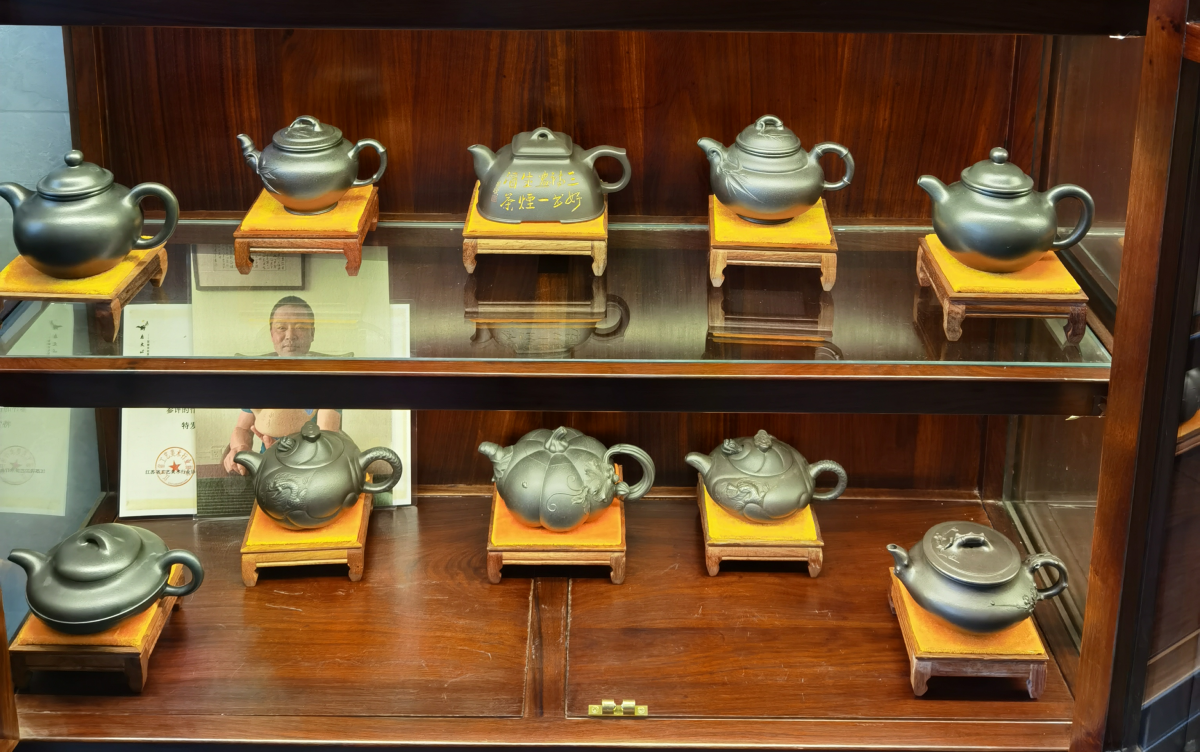
Red Clay (Hong Ni)
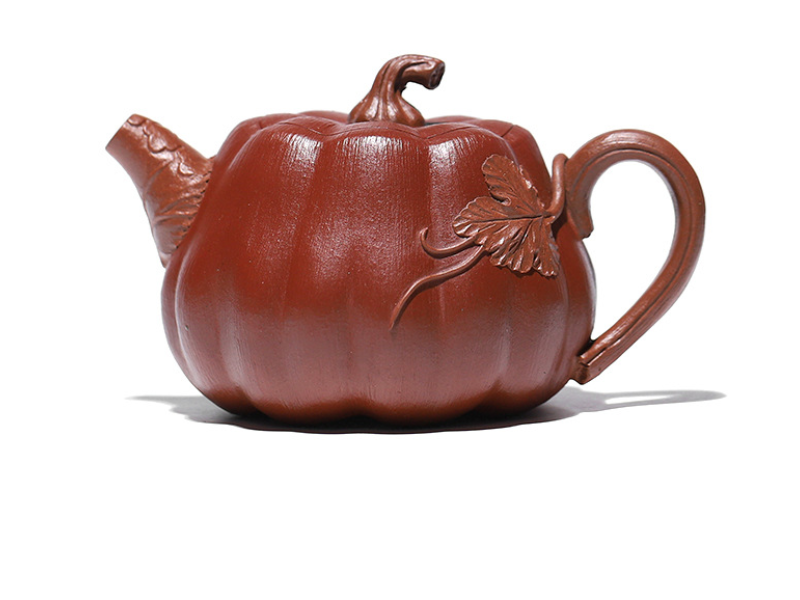
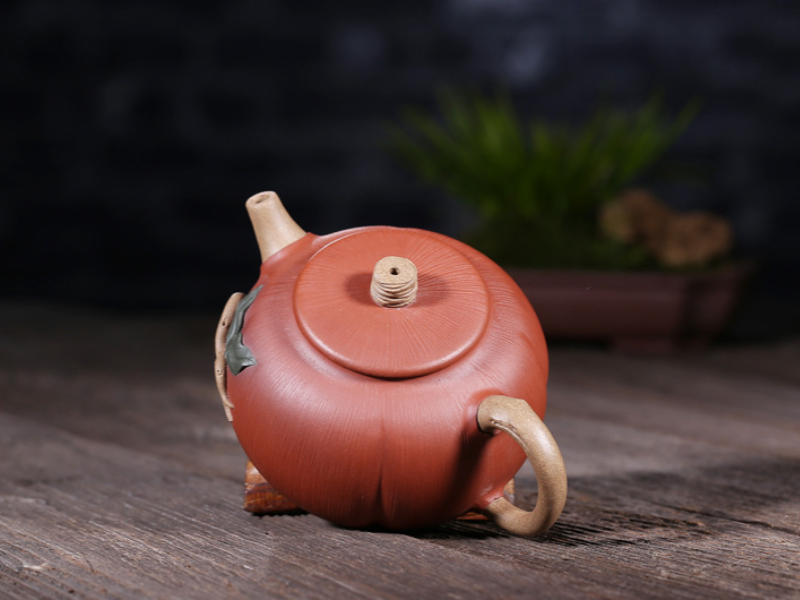
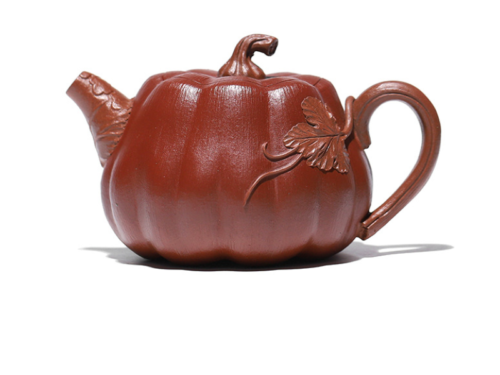
This smooth textured clay exhibits a more striking red orange than purple clay but a cooler sheen. It is less permeable and so is more appropriate for brewing white or green tea. Due to the massive interest in red clay teapots, in addition to their greater sophistication and elegant colour, quality red clay teapots are highly prized.
Green Clay (Lv Ni)
Green clay is the most rare type of Zisha clay. The Lv Ni is consistent; however, with tinge of color of grayish green, light green. The clay formed into a teapot Brown from top of the green gives a rarity simplistic in beauty, the clay is a moderate porous and suitable for a variety of tea. Since the green clay is the rarest of the Zisha varieties, green clay teapots are often seen as highly collectible.
| Clay Type | Color | Porosity | Best for Brewing | Rarity |
| Purple Clay | Dark brown to purplish-red | Highly porous | Pu-erh, black | Common |
| Red Clay | Reddish-orange | Less porous | Green, white | Moderate |
| Green Clay | Light green to grayish |
Data Source:
- Purple Clay (Zini): Dark brown to purplish-red color, high porosity, best for Pu-erh and black teas, common in Yixing region.
Referenced in the Jiangsu Province Yixing Zisha Protected Geographical Indication (PGI) registry and China National Intellectual Property Administration.
http://www.cnipa.gov.cn/art/2020/7/1/art_2225_494.html
The Importance of Clay’s Properties
As different types of clays result in different taste and feel, choosing a clay teapot is a practical as well as a personal matter.
How is a Yixing zisha teapot made?
Traditional Artisanal Methods
The making of a Yixing Zisha Teapot is a complicated process demanding supreme mastery and years involved. this would take 1 hour or more? a day or more? or much longer? With the rise of globalized business, machine-produced teaware also become prosper but even the best handmade boutique teapots cannot satisfy deviated puerh fans. People do not only need mass-production but further turned to machine-made teaware. this technique has demanding standards for.
The mined to clay form various sites (near the city of Yixing) around lake Tai near Nanjing or Zisha from Dingshu,, mixed and processed, pigmentation in subcategories of Zisha aside, and for the most part un-joined with other clays or with pigmentation. The clay is highly porous when fired and having been through little to no glaze means high air a heat permeability suited for teapots.
Forming the teapot
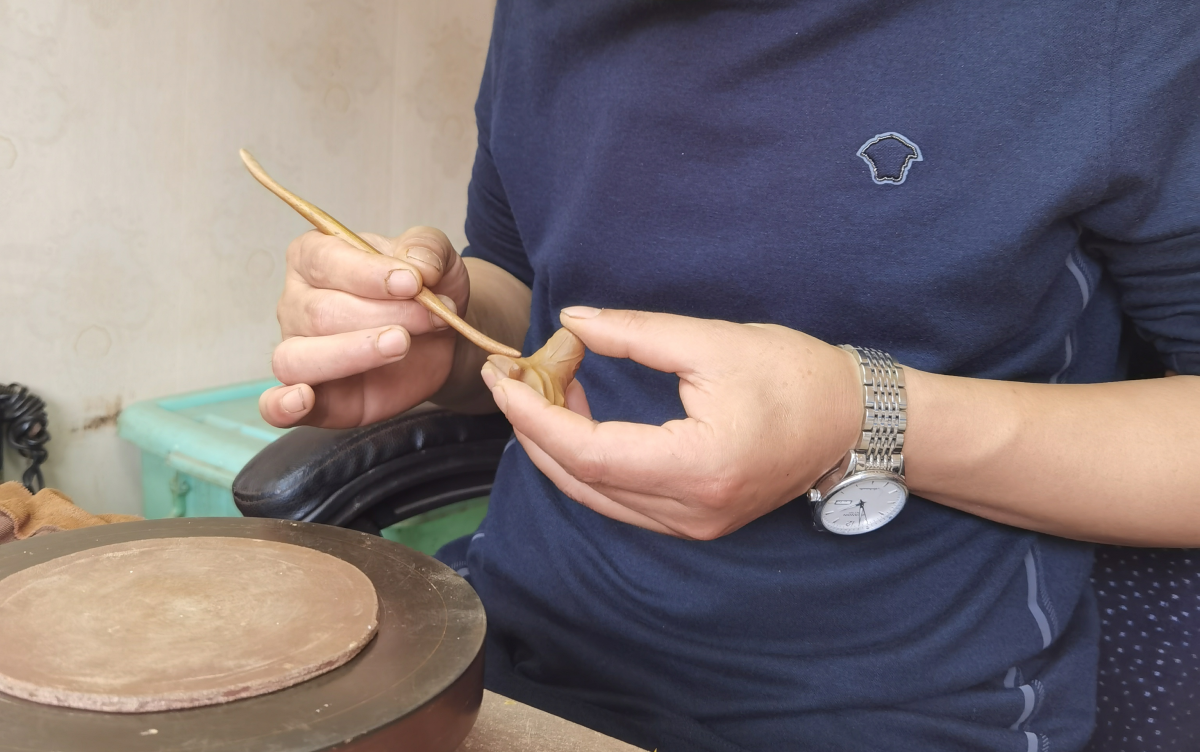
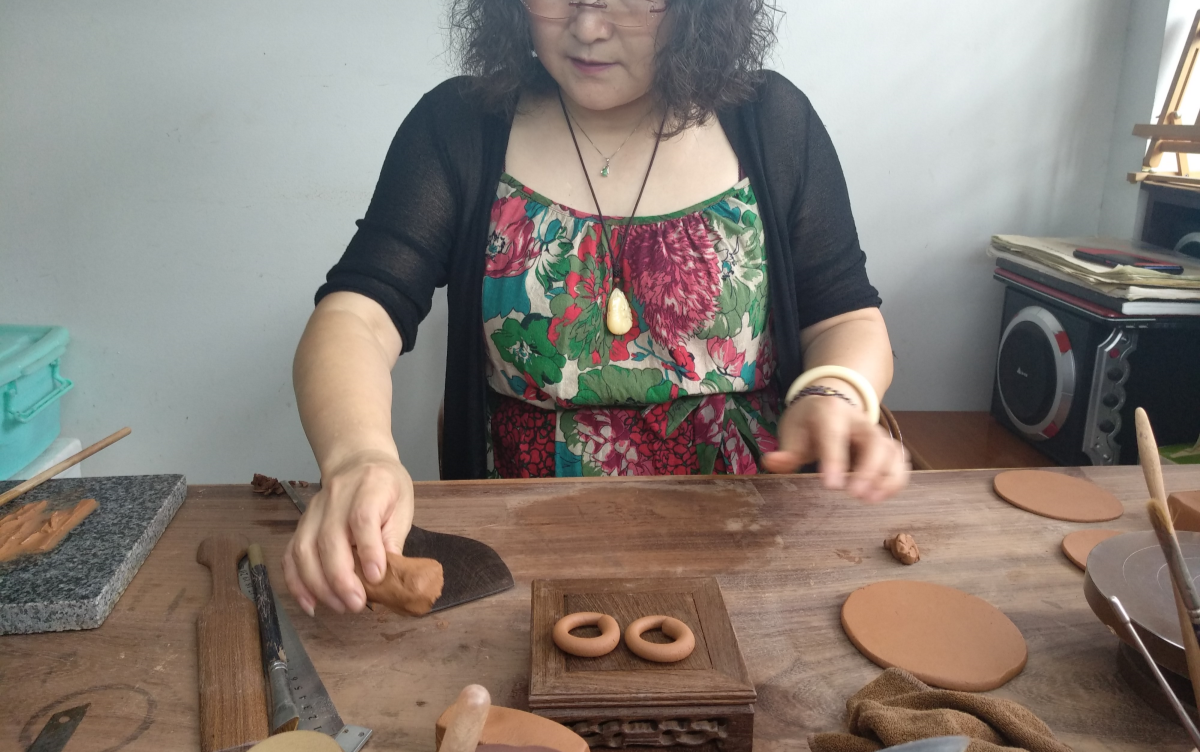
Artisans form the teapot with their hands and simple tools (e.g. wooden paddles and metal knives). And unlike teapots that were mass-produced commercially, the Yixing teapot is handmade with no mould, allowing for more skillful designs and personal touches.
Engraving and decoration
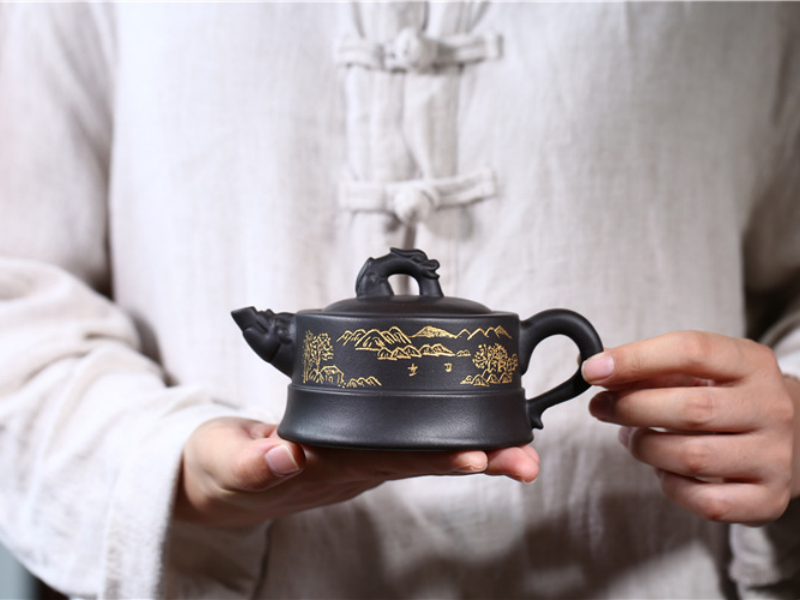
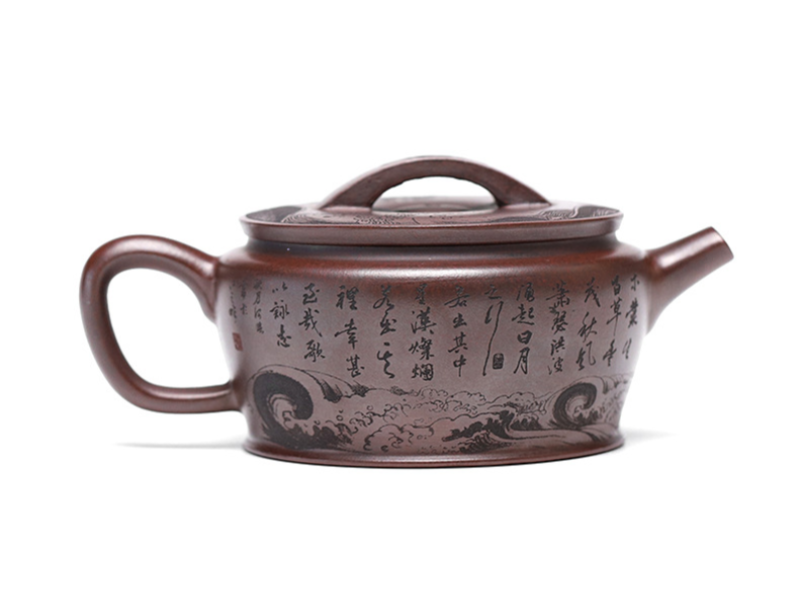
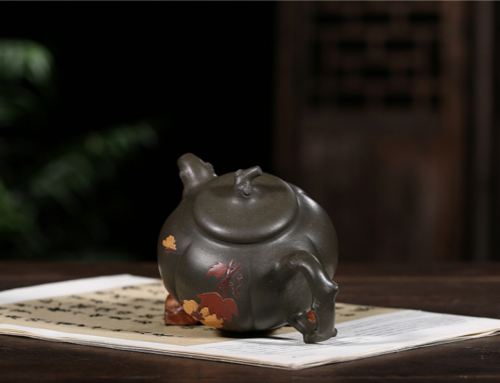
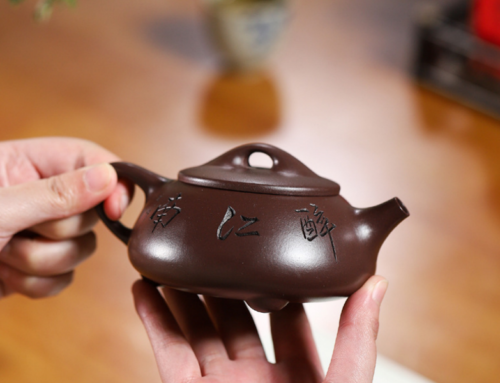
Teapots are often engraved and decorated with a great deal of thematic material, with popular Chinese themes including that of nature, fable, and philosophy. These types of designs are usually done by hand carving, which gives each teapot a sense of character.
Kiln firing
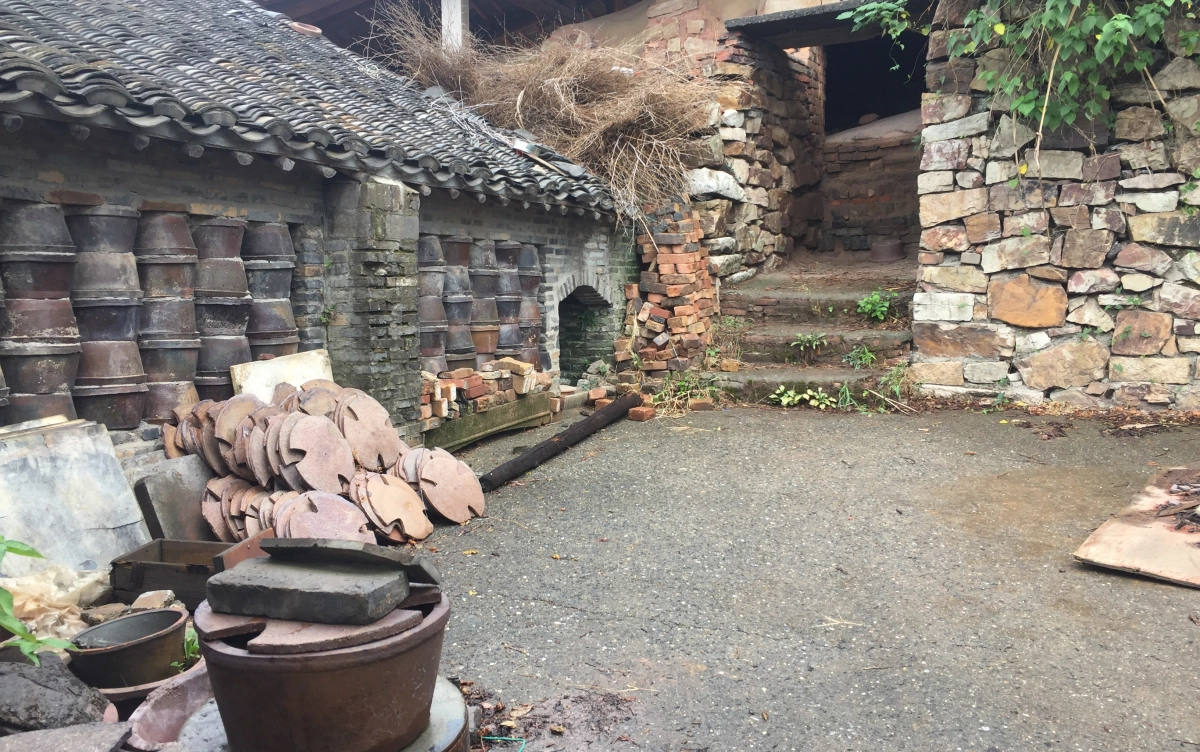
After the teapot is shaped and decorated, it is fired in high-temperature kilns, which harden the clay and enhance its natural attributes such as the porosity and heat retaining capabilities of the material.
Final Touches
Once fired, teapots are polished and quality checked. Skill holders would carve seal or signature marks on the artwork to increase the value the teapots for authenticity.
What Defines A Handmade Yixing Teapot
Case Study: Yixing’s Master Potters
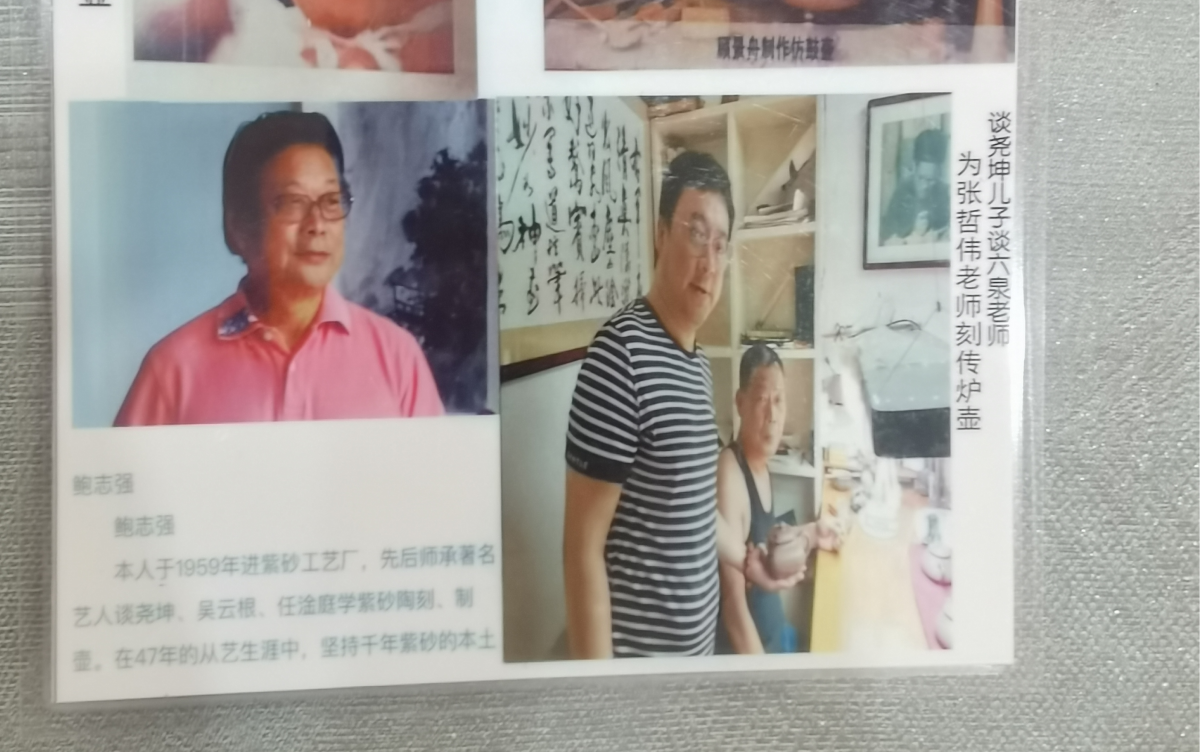
Among the most celebrated Yixing artisans is Gu Jingzhou, who is also known as the “King of Zisha.” His works are intensely sought-after worldwide have been featured in museums and auctions across the world. Gu’s teapots are a symphony of function and artistry, with.
The Main Reason To Brew Tea in Yixing Zisha Teapots
Improved Flavour
One of the characteristics that make a yixing zisha teapot unique is its ability to enhance the taste of tea. The porous nature of the zisha clay allows the teapot to absorb the fragrant oils and flavors of the tea brewed inside it, so that over time, the teapot will also retain the flavor of the tea, and thereby season subsequent brews and enhance their taste. This quality makes Yixing teapots prized among tea connoisseurs who enjoy the complexities of tea drinking.
The heat stored stay.
Zisha clay has high heat capacity. The clay can maintain the temperature of the brew at the desired level. Secondly, the pores in the clay allow for heat to be retained longer than other without the usage of Yixing clay. The combination of above traits allows the teapot to maintain heat and a constant temperature across time, and allows for tea to be brewed evenly at an optimal level. In summary, zisha teapots allows for the tea to be brewed at the desired consistency and temperature, mitigating the problems and issues with under- and over-extraction which afflicts many teas. As a result, Zisha teapots are most ideal for brewing teas which are finer in quality, and have a higher demands in brewing, for instance,
Non-chemical Refinement
Different from metallic and glass teawares which are more commonly seen today; the key materials of Yixing Zisha Teapots have been mined from natural soil. Since no chemicals and artificial materials have been added during the whole process, there won’t be any pollutants of artificial chemicals in brews, and the taste of brew will remain the same due to Zisha clay’s non-chemical characteristics.
Why Use Dedicated Teapots for Each Tea?
Teapots tend to be quite small, typically no more than 350 ml (1.5) (one of the reasons for this will be discussed in a later section), although a pot can be small enough that it can easily fit into the palm of one’s hand, and some can in turn be large enough to occupy an entire hand. Depending on the size of the Yixing teapot, some can easily be used by a single person (usually reserved for pots at 100-150ml or 3.4-5.1 3.5–10.5oz), or for slightly larger pots suitable to share tea with a handful of others. In conjunction with a matching cup (or cups) that goes along with the pot, they are usually used for a daily, single person, use. Since the tea is brewed over a rather short and quick, multiple step, period of time, generally less tea is used for multiple infusions. Yíxìng teapots
The Human Touch
Over a period of time, a Yixing Zisha teapot would automatically be imbued with the imprint of its teaism, until eventually, when all these imprints are engraved in the teapot itself, it may be said that the teapot which has already absorbed the character of its owner has become an embodiment of the perfect personal reflection. When a teapot is well soaked in the flavor of the owner’s personal habits, it would season itself into a teapot with only its unique flavor, making every brew of tea poured from that teapot unique towards its owner. “The teapot is not a Tea service solely; it is the best partner of people who drink Tea.”.
How to season and care for your Yixing Zisha teapot
Seasoning your teapot – How to prepare it for use
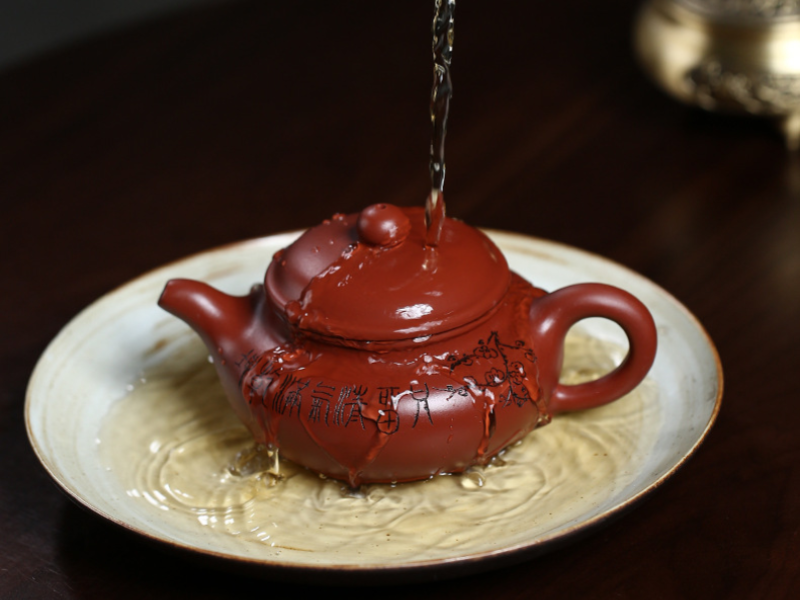
The first step upon purchasing a Yixing Zisha Teapot is to season it.Seasoning your Yixing teapot is the first step in cleaning it so it is ready to brew tea. It is an important step to “open up” the teapot before infusing tea and it is essential to remove any dirt or strong clay odours.
Here’s A Step-By-Step Guide On How To Season:
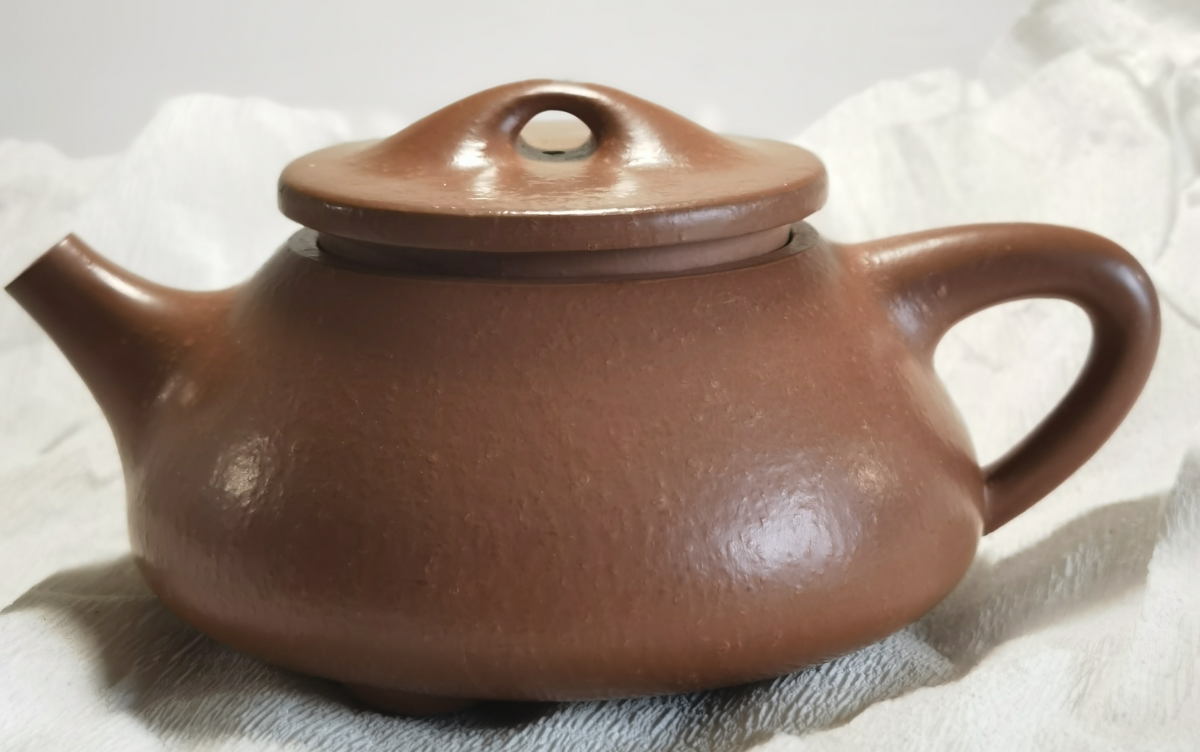
Cleaning Your Teapot: Best Practices
Keeping your Yixing teapot clean is one of the most important steps to preserving its integrity. Improper cleaning can cause serious damage, and diminish the pot’s ability to build flavor because a Yixing pot is so porous.
Tips for Long-Term Storage
If you are planning to not use your teapot for a while, you should make certain it is kept safe. Storing it properly can help ensure that it stays in optimal shape.
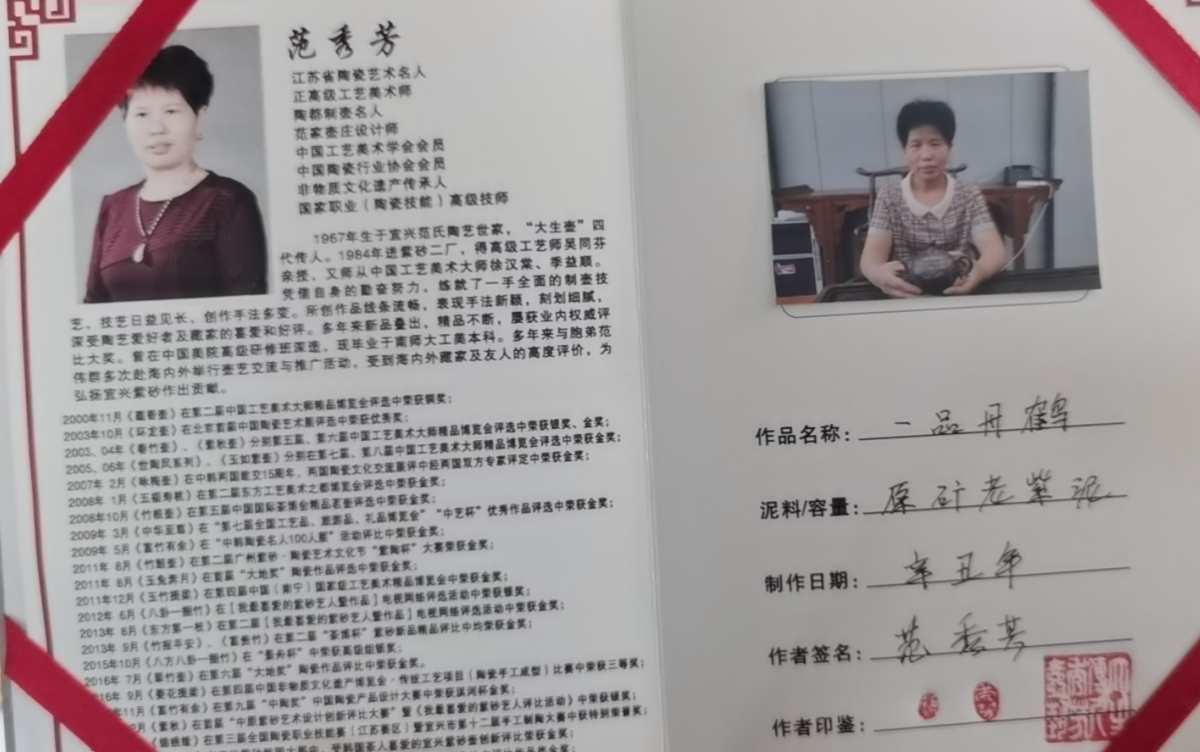
By following these steps, your Zisha could be at your side for ten years or more, and its flavor seasoned to your taste.
How to recognize an original Yixing Zisha Teapot – Creaviva Tea
Why Authenticity Matters
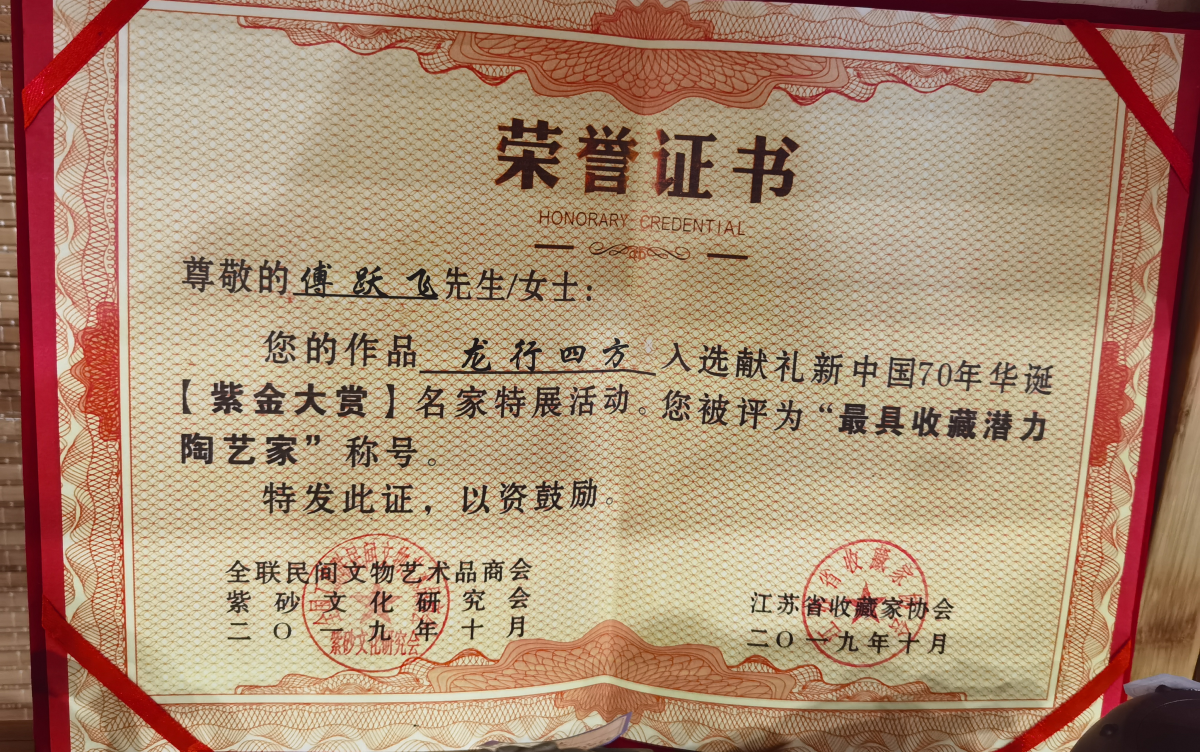
Genuine Yixing Zisha teapots are those that are both made from actual Zisha clay that is mined in Yixing, China, and crafted using the time-honored Yixing style and craftsmanship that has developed over the course of more than five centuries to yield these incredibly quintessential teapots. When you know how to tell whether a teapot is genuine, you can be sure you’re getting a product with flavor-enhancing benefits and detecting the artistry of Yixing teapots. The popularity and demand for Yixing teapot products have resulted in many counterfeited teapots being made and sold in the market.
How to Tell If a Yixing Zisha Teapot Is Real
Where To Buy Genuine Yixing Zisha Teapots
Common Buyer Mistakes
With the above suggestions, you will be sure to get a Yixing Zisha Teapot of both practical and artistic value.
| Teapot Type | Price Range | Features |
| Basic Entry-Level Teapots | $30–$100 | Simple designs, suitable for daily use. |
| Middle Tier | $100–$500 | Beautifully hand made patterns. Artistic teapot seal carvings. |
| High-End Puerh Teapots | High-End Puerh Te |
Data Source:
- Pricing and feature ranges for entry-level, middle, and high-end Yixing teapots, including artistic value and clay rarity, from the Jiangsu Province Yixing Zisha Protected Geographical Indication (PGI) registry and China National Intellectual Property Administration.
http://www.cnipa.gov.cn/art/2020/7/1/art_2225_494.html
Famous Yixing Zisha Teapot Artists And Their Works
Skilled Artisans of Yixing
The talented artisans spanning generations of famous Yixing ZiSha Teapot artists and their Yixing artworks. Some of these artists are world renowned and their Yixing Zisha teapots are collecatble pieces in the world..
Gu Jingzhou (1915–1996)
He is known as the “King of Zisha” and is perhaps the most well known Yixing teapot maker of all time. Gu Jingzhou’s teapots possesses elegant simplicity, perfect proportion and an unbelievable craftsmanship. His teapots are considered the perfect zisha teapot by zisha collectors and many teapots are collected in museums all around the world.
Selected works “‘Plum Blossom Pot”
Jiang Rong
Jiang Rong is celebrated for her exquisite craftsmanship and her deep understanding of traditional Chinese culture. Her teapots are known for their intricate designs, often incorporating motifs and symbols from traditional Chinese culture. Jiang Rong’s designs often reflect her love for nature, incorporating flowers and animal motifs. Her work has been lauded both for its functionality and for its artistic value.
Notable work: “Lotus Flower Teapot” – A work of art that demonstrates exquisite carvings and sculptural features.
Chen Mansheng (1768–1822)
Chen Mansheng was a scholar and artisan in Qing Dynasty, known for his combination of poetry and calligraphy in the teapot designs. His works often contain written texts that conveys philosophical concepts and cultural connotations.
Known work “Calligraphy Teapot” A teapot that has been decorated with hand carved poetry.
Shi Dabin (1573–1648)
Shi Dabin is heralded as one of the Yixing teapot founding fathers. He established the standards for teapot making through his designs in the Ming Dynasty and influence the art of teapot making today.
Famous piece(s) “Classic Round Teapot” A classic form of unadorned elegance and function.
The works of these Yixing artisans have made Yixing Zisha Teapots into works of fine art, collected not only for the teapots’ extraordinary craftsmanship, but also for their historical and cultural values. Zisha Teapots are considered by many to be among the finest teapots in the world. The tradition lives on today in the work of contemporary masters, whose artistic contributions stand alongside the works of these founding potters, and who hold themselves to the same high standards and art form of the past.
Why Creator Matters
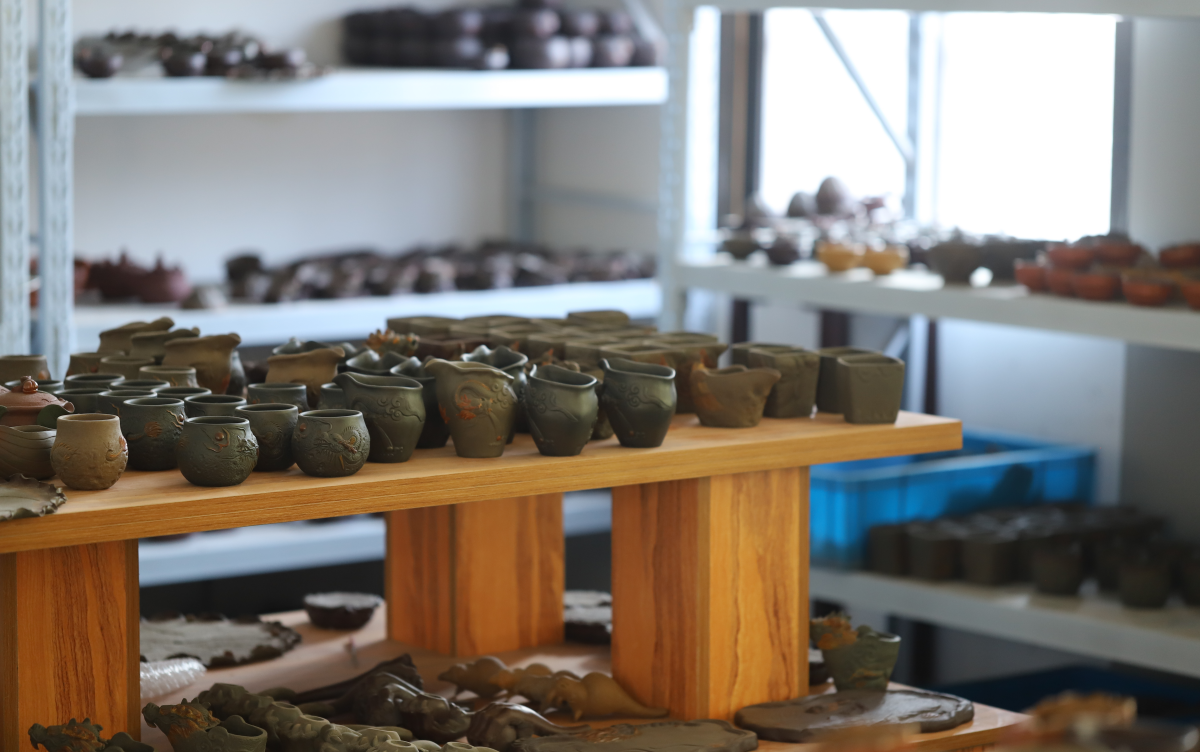
By appreciating the art and legacy of these teapot makers, the tea lover can deepen her appreciation for the tradition of Yixing and enjoy what these teapots are best at, the happiness that comes from the fluid balance of function and art.
Conclusion
Perhaps the Yixing Zisha Teapot is not only a vessel for steeping tea steeped in thousands of years of craftsmanship, cultural symbolism and artistry. This humble teapot has made its journey from its origins in Yixing, China, to the tea rooms and curio cabinets of collectors and tea connoisseurs around the world.
Whether you’re interested in the teapot’s potential to improve tea’s flavor, it’s beautiful and unique designs, or the Chinese tea culture behind the teapot. Having a Yixing Zisha Teapot is so special that you wouldn’t have it any other way. With proper maintenance and appreciation, your teapot will become like your life partner and will tell the stories you have had with it and your preference for teas; a teapot that gets richer in every cup brewed from.
As we’ve discussed throughout this article, Yixing teapots are the quintessential item for any tea drinker, due to the history, the properties of the clay, the skill, benefits and the artistry. The legacy left by the famous artisans is one that continues to make its presence felt in modern creations, and so the tradition of Yixing Zisha Teapots continues.
So, whether you’re amateur or veteran tea lover, enjoy the magic and charm of a Yixing Zisha Teapot. It’s not just a teapot, it’s a piece of history, an art of craftsmanship and a door to a greater appreciation of tea.





 chinese yixing zisha teapot