Zisha Teapot Maintenance: How to Clean, Foster and Take Care of Your Zisha.
Introduction
A Zisha teapot isn’t just any piece teaware—it’s a lively vessel rich in tradition, art, and science. If you’ve ever marveled at the deep, earthy colors and subtle patina of a Yixing Zisha teapot, you already know these clay pots have a special place in many tea lovers’ hearts. But did you know that Zisha teapot care—cleaning, seasoning, and maintaining your Zisha—is as important as the tea you pour into it? Proper care doesn’t just keep your teapot looking beautiful; it unlocks better flavors, helps keeps the clay’s integrity, and allows your pot to age with grace for years, even decades. In this comprehensive guide, you’ll discover everything you need to know about Zisha teapot care: cleaning, seasoning, and maintaining your Zisha. Whether you’re a new collector or a seasoned tea enthusiast, you’ll learn why Zisha clay is so prized, how to clean your teapot without harming its delicate surface, the right way to season it for optimal taste, and expert tips on storage and long-term maintenance. We’ll also tackle common questions and dilemmas faced by Zisha owners, so you’ll never have to wonder if you’re caring for your teapot the right way. Want to make an ordinary teapot a lovely family treasure? Let us learn together how to do that.
What make zishas unique?
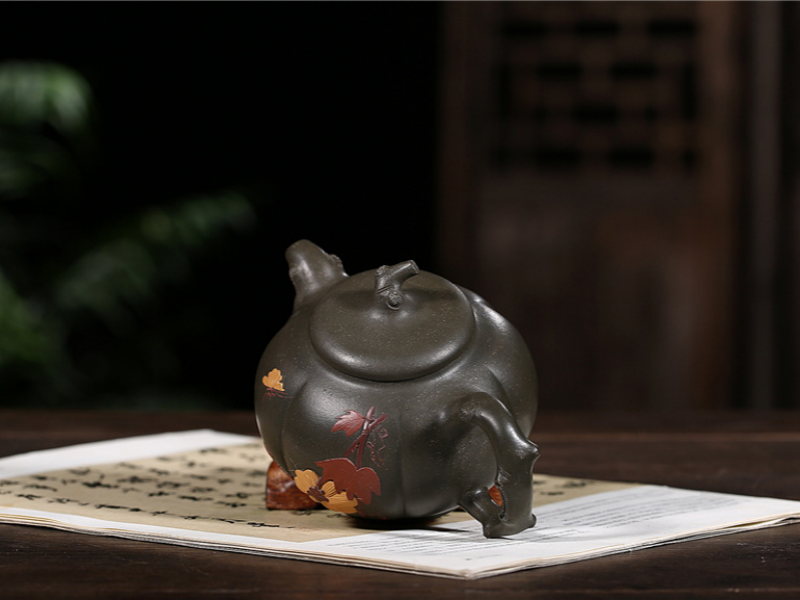
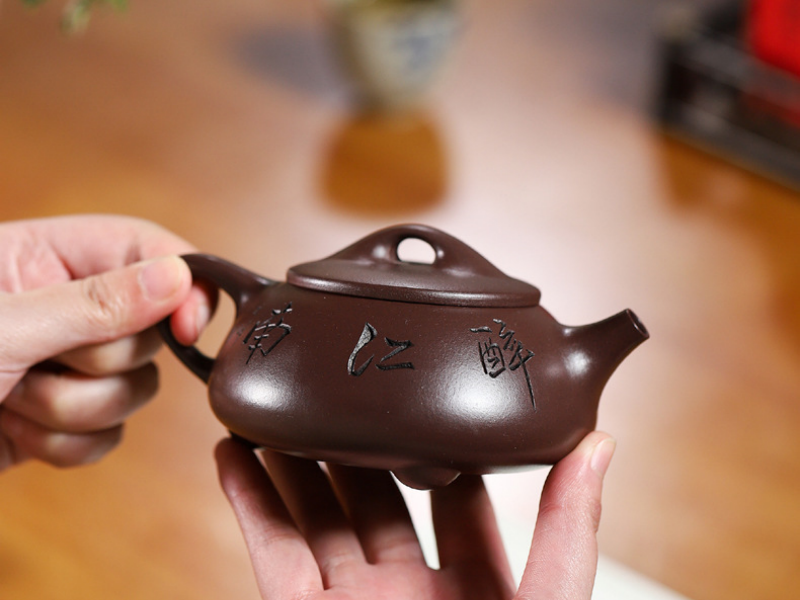
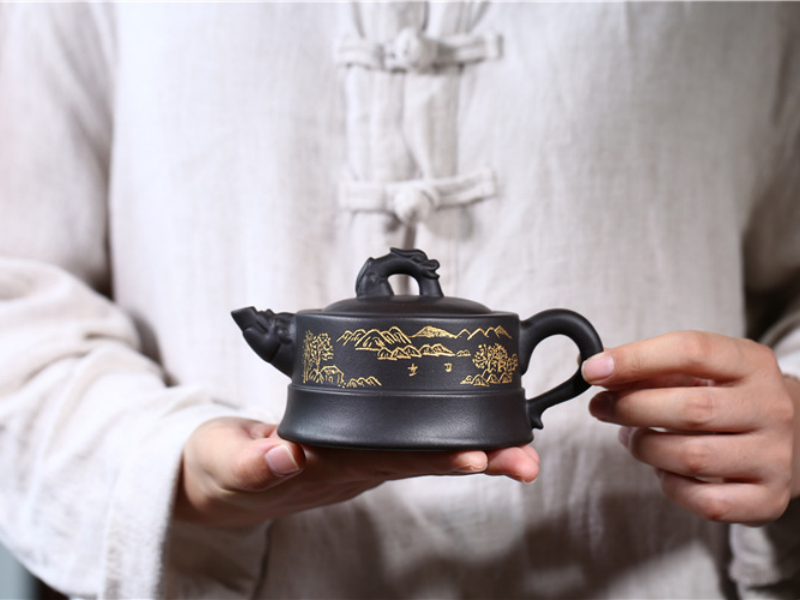
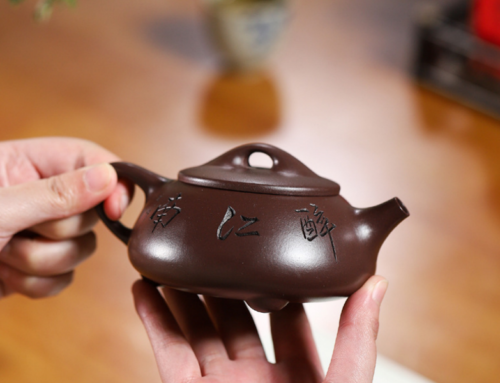
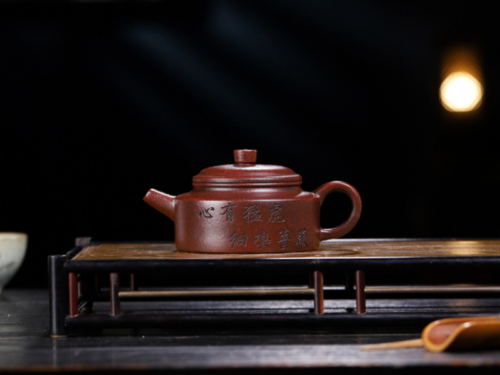
Zisha teapots, also known as Yixing teapots, are more than vessels for brewing and pouring tea—they are artistic expressions with a history predating the Ming Dynasty. Zisha (literally, “purple sand”) refers to the porous clay that is mined in Yixing, Jiangsu province, China. The defining characteristic of Yixing teapots is their unglazed clay, which soaks up the flavor and aroma of tea. For hundreds of years, tea drinkers have used Yixing ware to highlight the subtle tones of oolong, pu-erh, and black teas. So what makes Zisha clay so special?


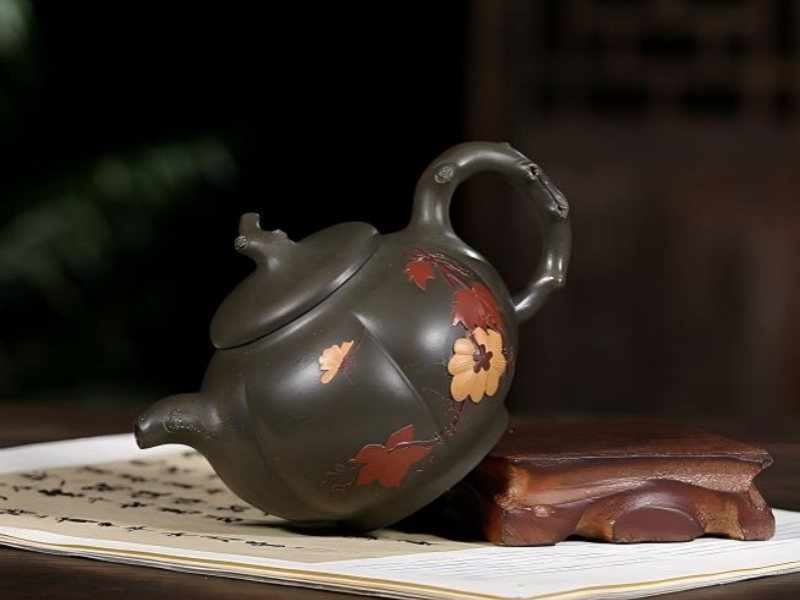

Since Zisha pots absorb and ‘remember’ the tea you brewed before in it, cleaning, seasoning and maintenance is not just about hygiene but a core part of the ritual. A Zisha pot that’s well-seasoned and well-maintained will give you cultivates richer, smoother and more nuanced cups each time. Otherwise, an inadequately cleaned one will deposit unwanted smell, colouration or even ruin the clay’s nature to help your tea. “A Zisha teapot is like a diary for your tea journey. The more you use and care for it, the more it tells your story.” — Tea Master Liang
Table: Zisha Clay vs. Other Teapot Materials
| Feature | Zisha Clay | Porcelain | Glass | Cast Iron |
|---|---|---|---|---|
| Porosity | High | Low | None | Low |
| Flavor Absorption | Yes | No | No | No |
| Patina Development | Yes | No | No | No |
| Heat Retention | Excellent | Good | Moderate | Excellent |
| Best For | Oolong, Pu-erh | Green, White | Display, Scented | Any, but heavy |
| Cleaning Sensitivity | High | Moderate | Easy | Moderate |
Data Source: Evaluation based on The American Ceramic Society’s “Teapot Materials: Zisha Clay, Porcelain, Glass, Cast Iron” (https://ceramics.org/ceramic-type) and technical documentation from The Pottery Studio, “Comparing Teapot Materials: Properties and Uses” (https://www.potterystudio.com/materials/teapots.html).
Data Source: International Ceramic Artists Network (ICAN), “Teapot Materials Compared: Zisha, Porcelain, Glass, Cast Iron” (https://ceramicartsnetwork.org/daily/article/Teapot-Clays-and-Other-Materials).
With the right care, your Zisha teapot becomes a living, evolving part of your tea ritual — one that rewards patience and attention with flavors you simply can’t replicate any other way.
Cleaning Yixing Teapots
The first step to caring for your Zisha teapot is perhaps the easiest and most important – Cleaning your teapot. Proper Zisha teapot cleaning can effectively preserve the pot, maintain its appearance, boost its tea brewing power! Zisha clay is porous and absorbs the fragrance and flavours of tea. Therefore the methods we do to clean our teapot affects its look and ability to properly brew.
Daily Cleaning Timetable
Always dump the leaves and rinse your Zisha teapot thoroughly after every tea session. Never leave spent leaves inside for additional hours, or the clay will stain and develop a musty odor. Just pour hot water into your teapot and swirl it gently, then pour out. If you can see small bits of tea leaf adhered to the walls or in the spout, use a soft, clean brush (a soft toothbrush works well) or your fingers to gently dislodge them. Never use anything abrasive. Key Points: • No soap or detergent: These common household chemicals will quickly work their way into the clay’s many tiny pores, leaving behind flavors that will taint your next brew. • No metal or rough cleaning tools: These will scratch the surface of the clay. Quick Daily Cleaning Checklist: • Rinse your teapot with hot water after every use • Remove all tea leaves and residue • Use soft brush or fingers to sweep away stubborn bits • Allow your teapot to air-dry upside down without the lid Tip: Allowing your teapot to dry naturally without the lid on keeps unwanted mold at bay, and leaves the interior fresh.
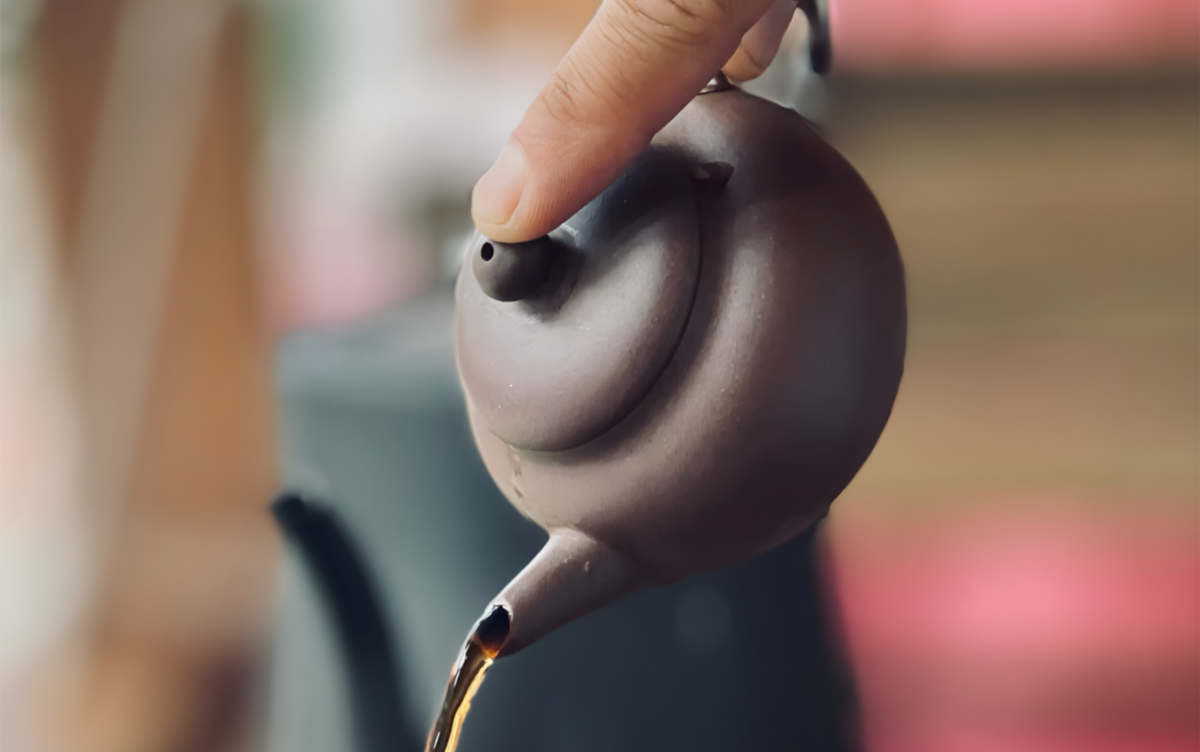
Even with diligent daily care, with time your Zisha teapot will generate stains, odors, or a thin film of accumulated old tea oils. Deep cleaning need not be frequent—only when you notice any lingering smell or stain of one tea over another. Natural Deep Cleaning: 1.Add water to a large, clean pot. Bring to a gentle boil. 2.Drop your Zisha teapot (without the lid) into the pot of boiling water, and allow to boil for 30–60 minutes. 3.If you like, add a handful of dry tea leaves (the same type used in the pot) into the boiling water; these will soak up odors and refresh the pot. 4.Remove teapot carefully and rinse with hot water. 5.Allow to air-dry completely in a cool, ventilated space. What To Avoid: • Bleach, vinegar, and other harsh cleaning chemicals: these will damage the clay. • Aggressive scrubbing. Gentle cleaning preserves the surface of the teapot and its patina.
Common Mistakes Table
| Mistake | Why It’s Harmful | Best Practice |
|---|---|---|
| Using soap or detergent | Leaves residual taste in clay | Only use hot water |
| Scrubbing with abrasive pads | Scratches and damages teapot | Use soft brush or hands |
| Storing while wet or closed | Causes mold and odors | Air-dry with lid off |
| Letting tea leaves sit overnight | Causes stains and sour smell | Empty and rinse after each use |
Data Source: Evaluation based on The American Ceramic Society’s “Yixing Teapot Care and Maintenance” (https://ceramics.org/ceramic-type) and technical documentation from The Pottery Studio, “Proper Cleaning of Yixing Teapots” (https://www.potterystudio.com/guides/yixing-care.html).
Data Source: International Ceramic Artists Network (ICAN), “How to Clean and Maintain a Yixing Teapot” (https://ceramicartsnetwork.org/daily/article/Cleaning-and-Caring-for-Yixing-Teapots).
Proper cleaning is the foundation of Zisha teapot care: cleaning, seasoning, and maintaining your Zisha. With these habits, your teapot will reward you with purity of flavor and a beautiful, evolving patina.
Seasoning is the soul of Zisha teapot care: cleaning, seasoning, and maintaining your Zisha. This unique ritual transforms a new, raw teapot into a vessel that truly reveals the beauty of your tea. When you season your Zisha teapot, you’re laying the foundation for all the nuanced flavors and aromas it will express over its lifetime.
Why we need seasoning
Zisha clay is porous, unglazed purple clay. As you brew tea, the clay absorbs trace amounts of tea oils and fragrance. Over time this builds a natural patina — an invisible “memory” from every time you’ve ever brewed. Seasoning your teapot accelerates this process — eliminating mild earthy odors, manufacturing residues, and dust, while preparing the clay to best express your tea. People who don’t season end up complaining that their new pots taste muddy and flat. Or that the first cups brewed have a slight clay smell. Seasoning ensures: • Manufacturing dust and mild earthy odors are removed • A beautiful, glossy patina develops more quickly • Your tea tastes great from the first brew “A well-seasoned Zisha teapot is like a seasoned cast iron pan — it only gets better with every use.” — Old Yixing Proverb
Simple Step-by-Step Seasoning Guide
Before you start: Choose the tea you want to dedicate to this teapot. Zisha teapots should only ever be used with one tea type (ie. oolong or pu-erh), because the clay retains the flavors. Never switch teas once you’ve begun seasoning. Step 1: Rinse and Inspect Check your teapot for cracks or factory residue. Rinse thoroughly with hot water (inside and out). Step 2: Boil Fill a large, clean pot with water. Place a towel or bamboo mat at the bottom (to reduce chipping). Submerge your teapot and it’s lid (no metal parts). Bring to a gentle boil for 30–60 minutes. This will remove part of the clayed earth odour from the teapot and help open up the clay pores. Step 3: Tea Soak remove the teapot, drain the water, and re-fill the pot with fresh water. Seasoning Timetable | Simple Step Action Time Needed Purpose Rinse & Inspect 5 minutes To remove residue Boil in water 30-60 minutes Open clay pores Simmer with tea for 30–60 minutes Infuse base tea. Rinse & Air-dry 10 mins Prepare for first use Factoids & Recommendations • Boiling with tea leaves cleanses the teapot while making an “introduction” between the teapot and the tea leaves that it will spend the rest of its life with. • Repeat the tea simmer step two or three times to introduce the teapot to more tea or improve the “seasoning” of your teapot. Mistakes to Avoid • Do not use scented tea or herbal blends to season your teapot—these teas introduce powerful aromas into the clay. • Do not touch your teapot with greasy or perfumed hands while seasoning your teapot. • Do not wash your teapot with cold water immediately after boiling tea inside it—the temperature difference can crack the clay. Your Zisha teapot is now ready for its first actual brew. You may find the surface of the pot starts to shine over time, a very subtle and smooth sheen that many tea lovers find incredibly alluring. That is the result of good seasoning, as the pot becomes increasingly beautiful and provides every better brews.
How To Take Care Of Your Zisha Teapot In The Long-Term
Once you’ve cracked Zisha teapot care: cleaning, seasoning and taking care of your Zisha through your daily routine and doing so through careful seasoning, your long-term maintenance will be your secret weapon to a teapot that will stand the test of time. A Zisha teapot that is well taken care of can last generations, and will develop a beautiful sheen and tasting “memory” that is unique to your tea journey.
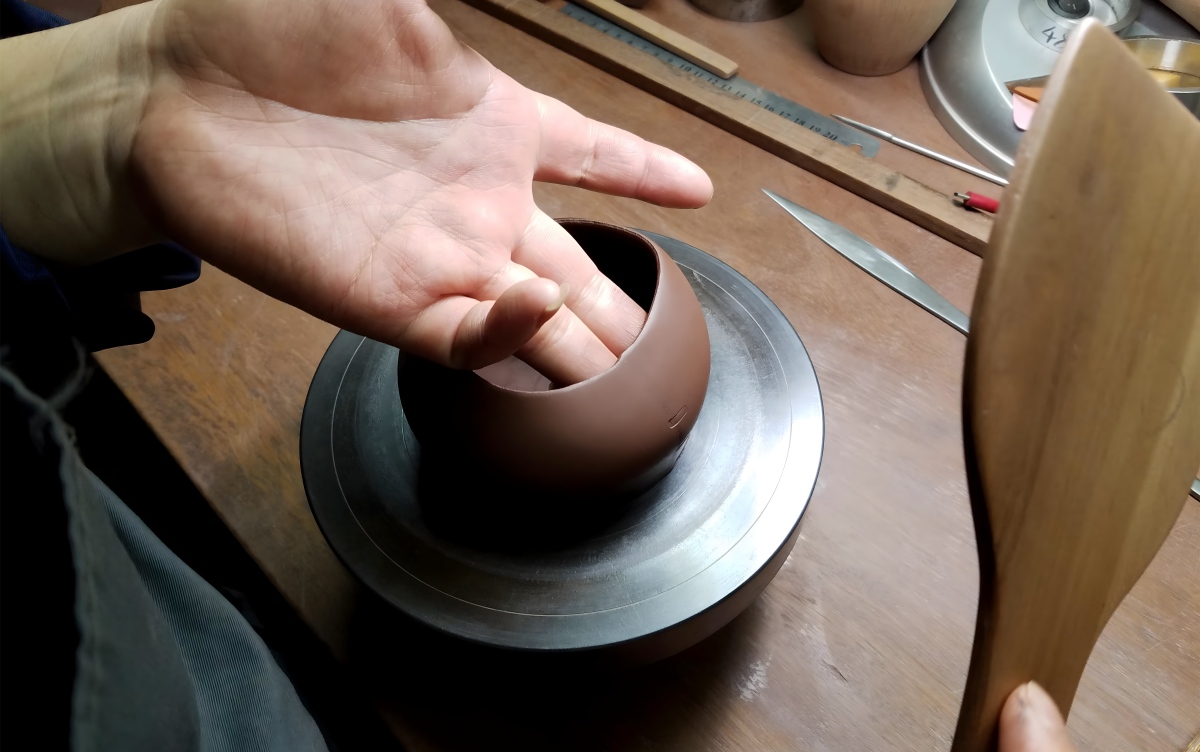
Best Storage Practices
Proper storage is one of the most important things you can do to help your Zisha clay retain its integrity, and avoid any un-wanted smells & mold. After each use/clean, allow your teapot (*) to air-dry. Let it dry upside-down, or at an angle. The most common cause of mold build-up, is moisture/tea that sits inside clay, or liquid/moisture that gets trapped underneath the lid. Store your teapot with the lid off, in a clean, well-ventilated area away from direct sunlight. Do: • Keep it stored in a place with good airflow—open shelves or cabinet work, too! • Keep away from anything that emits a strong scent (spices, perfumes, cleaning products), as Zisha clay can absorb odors. • Make sure teapot is fully dry before placing the lid back on. Don’t: • Never store in any airtight containers or sealed boxes—mildew can build-up from lack of airflow. • Put away a wet/damp teapot on wooden shelf—this can cause shelf and your teapot to mold. Table de stockage Storage Location Airflow Mold Risk Odor Absorption Best Practice Open shelf High Low Moderate Good (if odor-free) Closed cabinet Moderate Moderate High Acceptable Airtight container None High High Avoid
Correct Use of a Teapot
How you use your Zisha teapot day-to-day is just as important as how you store it. Experts recommend dedicating each Zisha teapot to a single type of tea—such as oolong, pu-erh, or black tea. This prevents cross-contamination of flavors and allows the clay to build a rich, harmonious “memory” of just one style. Key Usage Tips: • Use each teapot for only one type of tea. For example, keep one pot for ripe pu-erh and another for tieguanyin oolong. • Handle with clean, dry hands to avoid transferring grease, lotions, or odors to the clay. • Never expose your teapot to sudden temperature changes (like pouring boiling water into a cold pot). This can cause cracks. • If you notice a faint smellor mold, repeat the natural deep cleaning process and allow more thorough drying before reuse.
Avoiding pitfalls
Case Study: A tea collector from Hangzhou City accumulated a collection of antique zisha teapots. She experienced persistent mildew problems in the past when her teapots were sealed in an enclosed treasure chest box. She has since then switched to open display shelves. With this kind of care, your Zisha teapot becomes not just an item, but a living history of your tea drinking habits, your patience and your flavor; a unique companion in your lifelong journey of tea.
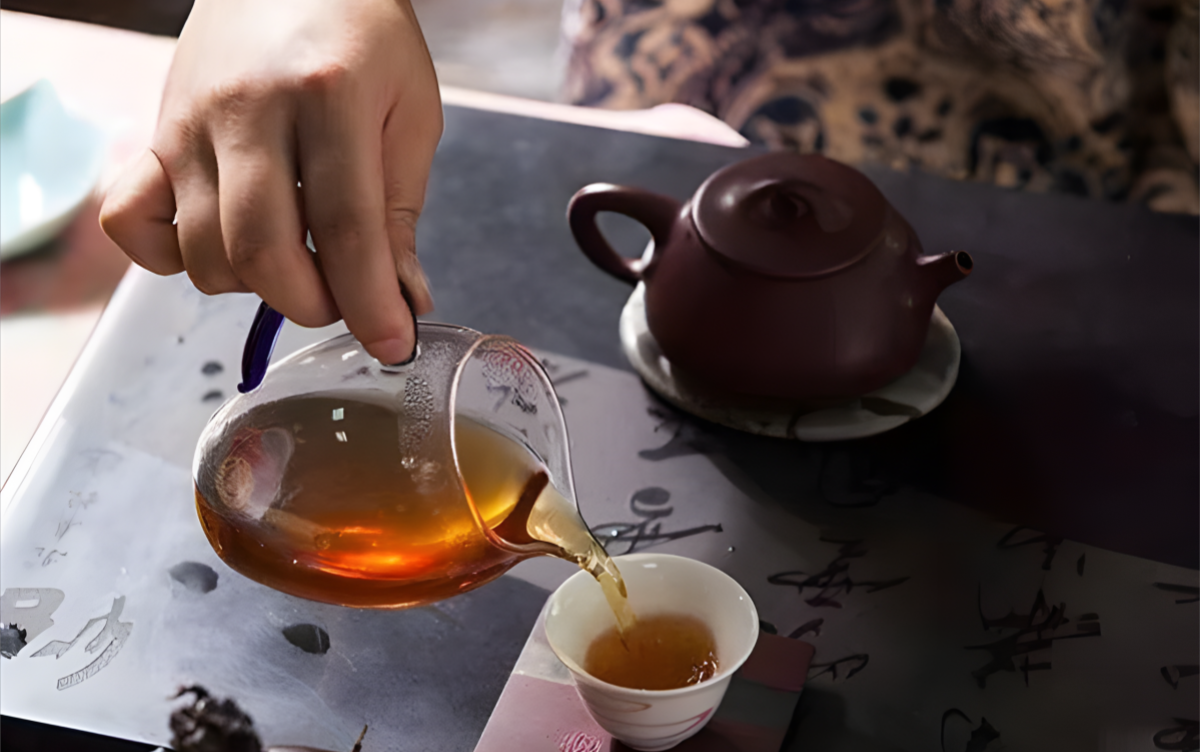
Zisha Teapot Care FAQs
Even the most experienced tea enthusiasts may have questions regarding the finer points of Zisha teapot care: cleaning, seasoning and maintaining you Zisha. Here are answers to the most common and pressing concerns, addressing how to get the most out of your treasured teapot.
Quick Reference Table: Zisha Teapot FAQ Question Short Answer Use for different teas? No—one tea type per pot Remove smell or stains? Boil, simmer with tea, air-dry How often to clean? Rinse after every use; deep clean as needed How often to season? Once for new pots; re-season only if needed How to check for real Zisha clay? Sandy texture, natural color, absorbs water, buy from trusted source By following these tips, you’ll keep your Zisha teapot at peak performance—flavorful, fragrant, and full of character.
Conclusion
Cleaning, seasoning, and maintaining your Zisha teapot is a journey—one that rewards patience, attention, and a little know-how. With each use, your teapot becomes more than just a vessel for brewing tea. It transforms into a living archive of memories, aromas, and flavors, reflecting the teas you love and the rituals you cherish. Let’s recap the essentials: • Clean your Zisha teapot after every session with hot water only, never soap or detergent. • Season your teapot before first use to remove earthy odors and kickstart the patina-building process. Remember to dedicate each pot to one type of tea. • Maintain your teapot by air-drying with the lid off, storing in a well-ventilated place, and keeping it away from strong odors and sudden temperature changes. Tea is about more than flavor—it’s about traditions, mindfulness, and the peace and satisfaction that comes from our favorite weighty ritual. By understanding Zisha teapot care—cleaning, seasoning and maintaining your Zisha—you are not only ensuring the long life of a beautiful piece of teaware, but you are committing to deepening each drink you brew. Your Zisha teapot will become a familiar and valued friend, providing new insights into your favorite teas while demonstrating that the greatest things come from what we are willing to cultivate, sip by sip, and moment by moment. So brew bravely, care thoughtfully, and enjoy the rich rewards of caring for your zisha teapot with respect.






 123123123
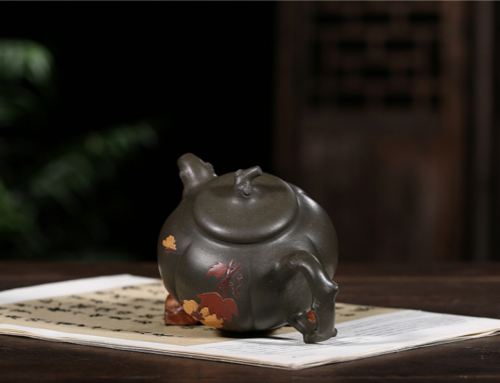
 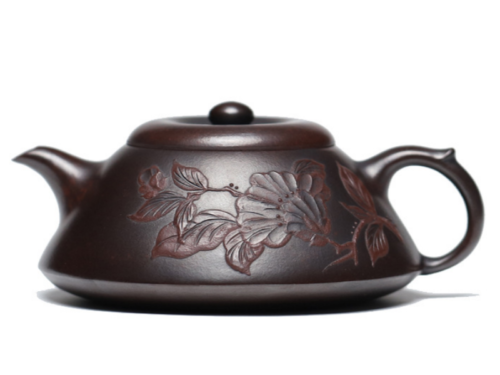 Prosperity Melon - Authentic Hongni Clay for Darjeeling Tea | Yserene